

What is the ‘Ch’ Sound in English?
The English ‘Ch’ sound is a ‘stop-and-release’ sound. This means you stop the air briefly and then quickly release it.
It is similar to the ‘ch’ in Spanish words like muchacho, but often a bit stronger and shorter in English.
- Your lips are slightly rounded.
- Your tongue touches the hard part of the roof of your mouth, just behind your front teeth.
- Then, air pushes out quickly as your tongue moves down.
🎓 Apprenez l'anglais grâce à la méthode mixte
Petits groupes · Tuteur IA disponible 24 h/24, 7 j/7 · Préparation aux examens de Cambridge
Plans provenant de ₽39 ₽79 par mois
Words with 'Ch' at the Beginning
Many common English words start with the ‘Ch’ sound. Listen and repeat these words:
- chair
- cheese
- chicken
- chocolate
- child
- choose
Words with 'Ch' in the Middle
Les ‘Ch’ sound can also be in the middle of words. Practice these examples:
- kitchen
- teacher
- lunchbox
- watching
- picture
Words with 'Ch' at the End
You will find the ‘Ch’ sound at the end of many English words too. Try these:
- much
- each
- beach
- watch
- sandwich
How to Practice the 'Ch' Sound
Regular practice will help you master this sound. Here are some tips:
- Listen carefully to English speakers. Try to copy their sound exactly.
- Repeat words with ‘Ch’ many times.
- Say sentences with ‘Ch’ words slowly, then faster.
- Record yourself speaking and listen back. Does your ‘Ch’ sound clear and strong?
Exemples
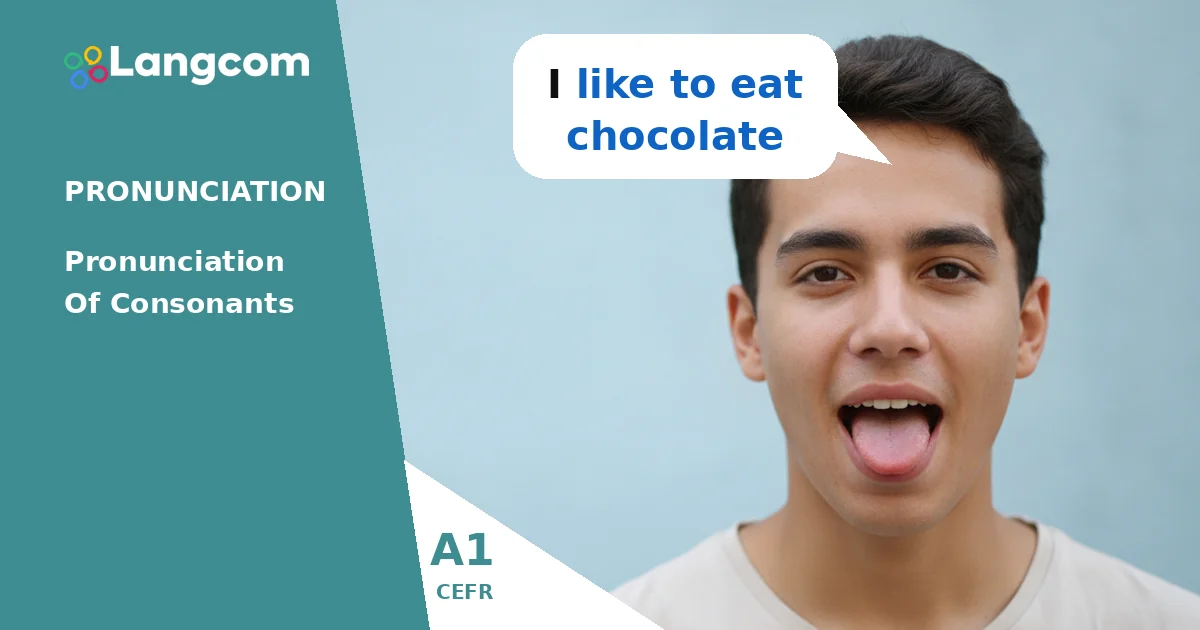
- I like to eat chocolate.
- The child sits on the chair.
- My teacher is in the kitchen.
- We watch a movie on the beach.
- Do you want a chicken sandwich?
Entraînement
💬 Vous avez besoin de conseils personnalisés ?
En tant que centre de préparation agréé par Cambridge, nous pouvons vous aider à choisir la formation et la certification qui vous conviennent. Discutez-en dès aujourd'hui avec nos conseillers.
Discutez avec un conseiller sur WhatsAppErreurs courantes chez les hispanophones
Many Spanish speakers sometimes make the English ‘Ch’ sound too soft, like a ‘sh’ sound. This can make words difficult to understand.
- Erreur : Expression ‘shair’ instead of ‘chair’.
- Correct : chair (strong, quick t+sh sound)
- Erreur : Expression ‘wash’ instead of ‘watch’.
- Correct : watch (strong, quick t+sh sound)
Remember, the English ‘Ch’ is a clear, short, and strong sound.
Questions fréquemment posées
Is the English 'Ch' sound the same as in Spanish?
No, not exactly. The English ‘Ch’ sound is often stronger and shorter than the Spanish ‘ch’. In English, it is a quick combination of a ‘t’ sound and a ‘sh’ son.
How can I make my 'Ch' sound clearer?
Focus on making a quick, sharp stop with your tongue behind your teeth, then releasing the air quickly. Listen to native speakers and try to imitate the exact sound, especially in words like chair et chocolate.
Are there other letters that sound like 'Ch'?
Yes, sometimes the letters ‘tch’ also make the same ‘Ch’ sound, for example, in the word match. The letter ‘J’ makes a similar sound, but it uses your voice (‘j’ as in juice).


0 commentaire