par Raúl | Sep 27, 2026 | A1 Movers
Adverbs are words that tell us more about verbs, adjectives, or other adverbs. At A1 level, we mostly use adverbs to describe how an action happens. They answer the question “How?”. For example, in the sentence She sings beautifully, the word beautifully...
par Raúl | Sep 26, 2026 | A1 Movers
Learning everyday object vocabulary helps you talk about your home and daily life in English. At A1 level, knowing the names of common items around you is a key step to building basic conversations. This vocabulary lets you describe your surroundings, ask for things,...

par Raúl | Sep 26, 2026 | A1 Movers
The letter ‘s’ in English has three main sounds: /s/, /z/, and /ɪz/. Mastering these sounds is key to clear English pronunciation, especially for A1 learners. The /s/ sound is voiceless, meaning your vocal cords do not vibrate, like the sound in snake or...
par Raúl | Sep 26, 2026 | A1 Movers
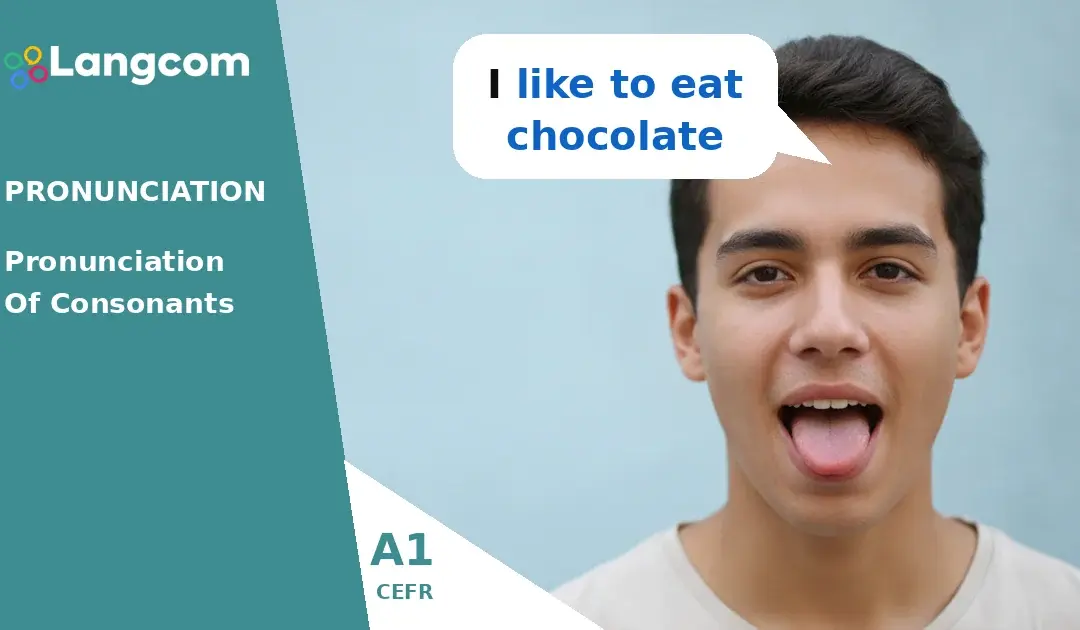
The English ‘Ch’ sound is like a short, strong ‘t’ followed by a ‘sh’ sound, all in one quick movement. It is a common sound in English words, like chair or chocolate. To make this sound, first, touch the tip of your tongue to the roof of your mouth, just behind your...
par Raúl | Sep 25, 2026 | A1 Movers
Learning basic vocabulary for parts of a house is very important for A1 English learners. These words help you describe where you live, what you see every day, and understand simple conversations about homes. Knowing words like door, window, and roof allows you to...
par Raúl | Sep 25, 2026 | A1 Movers
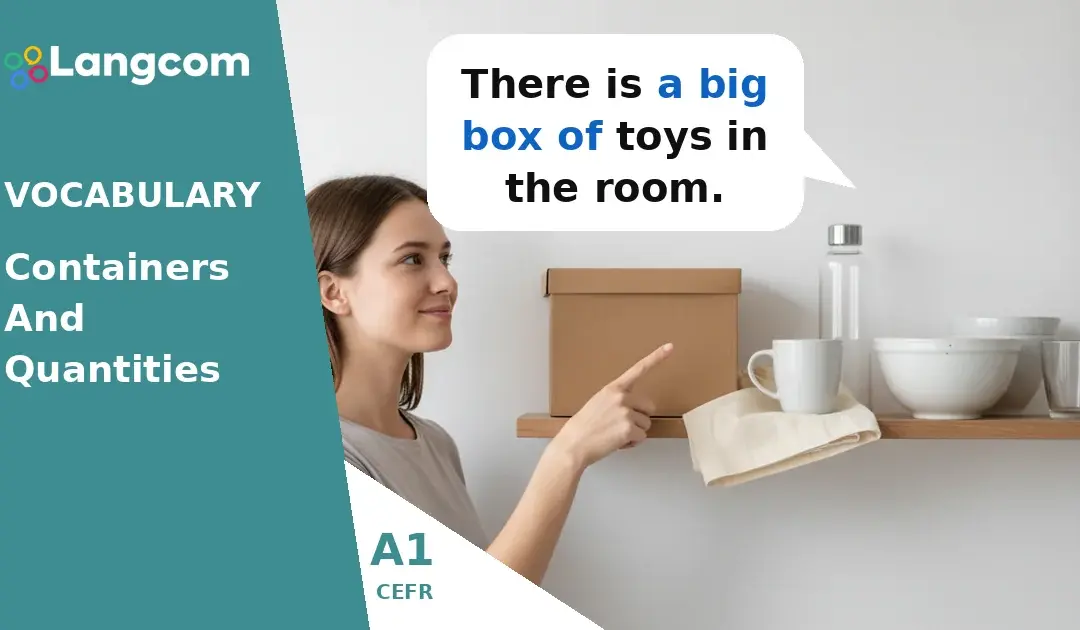
Food containers are words we use to describe how food and drinks are held. Learning these words helps you talk about shopping, cooking, and eating in English. For example, a box is often for dry food like cereal or cookies. A bag can hold items like fruit, vegetables,...
