par Raúl | Sep 25, 2026 | A1 Movers
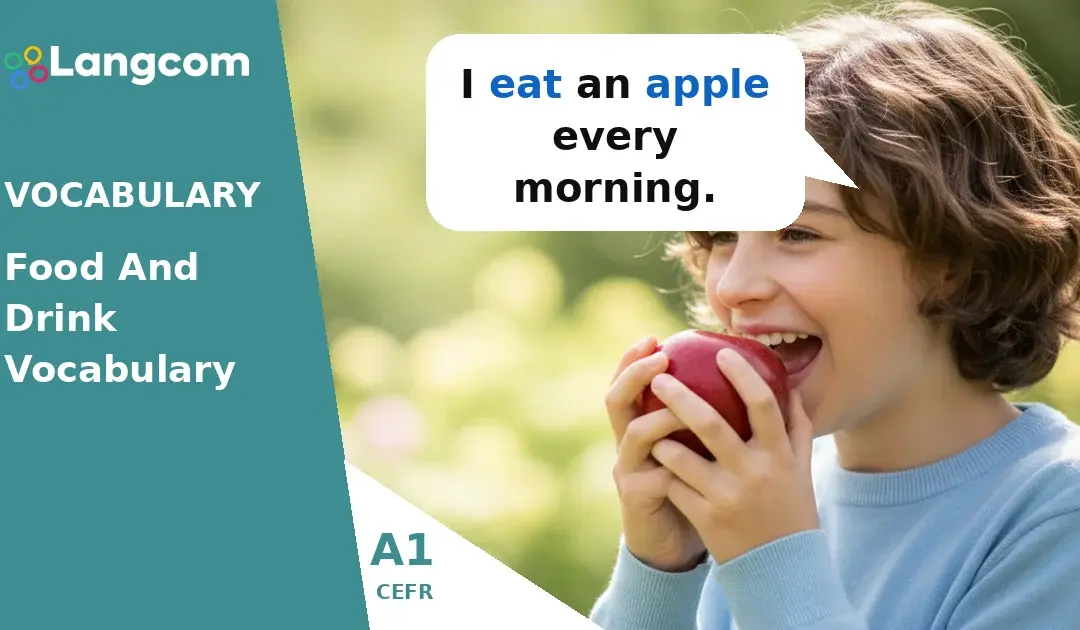
Learning food and drink vocabulary in English is very useful for everyday conversations. It helps you talk about what you eat, what you like, and what you want to buy. We often group food and drink into categories to make them easier to remember. For example, apples...
par Raúl | Sep 25, 2026 | A1 Movers
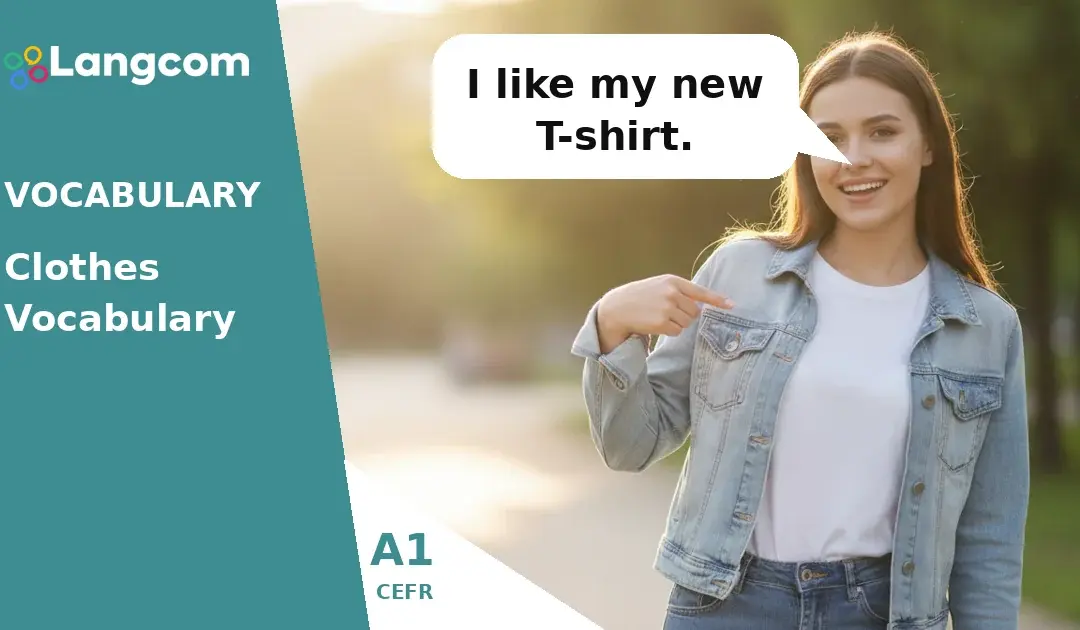
Learning basic English clothes vocabulary helps you describe what people wear and what you want to buy. At A1 level, you will learn common words for everyday items. For example, you wear a T-shirt when it’s warm, and a coat when it’s cold. For your legs,...
par Raúl | Sep 25, 2026 | A1 Movers
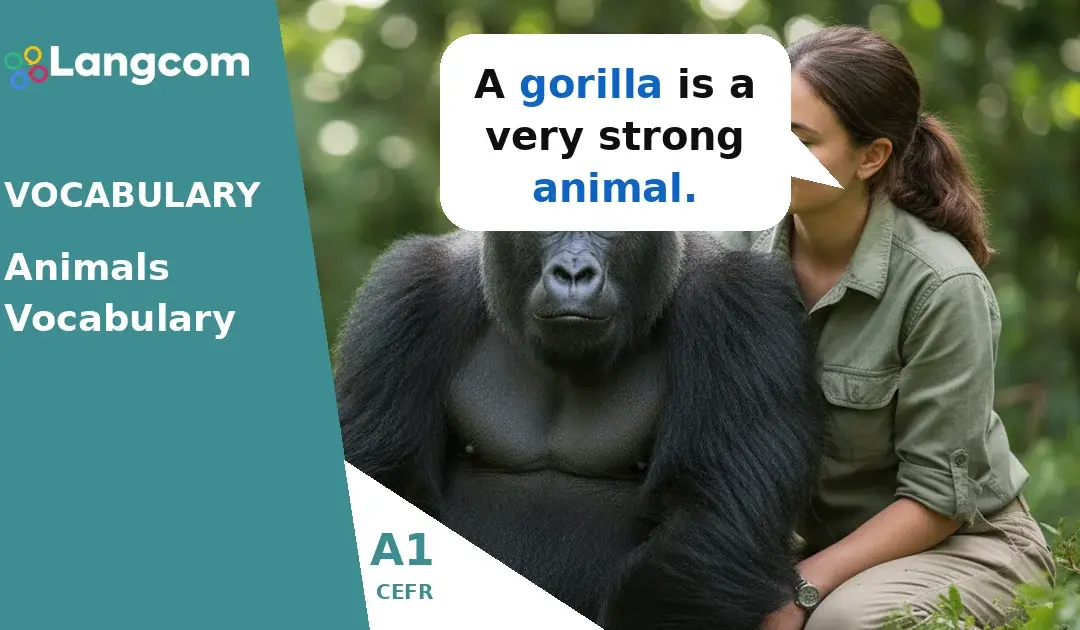
Learning animal names in English is a fantastic way to build your basic vocabulary for A1 level. Knowing words like bee, spider, mosquito, parrot, gorilla, camel, tiger, and whale helps you talk about the world around you. You can describe pictures, understand simple...
par Raúl | Sep 14, 2026 | Pre A1 Starters
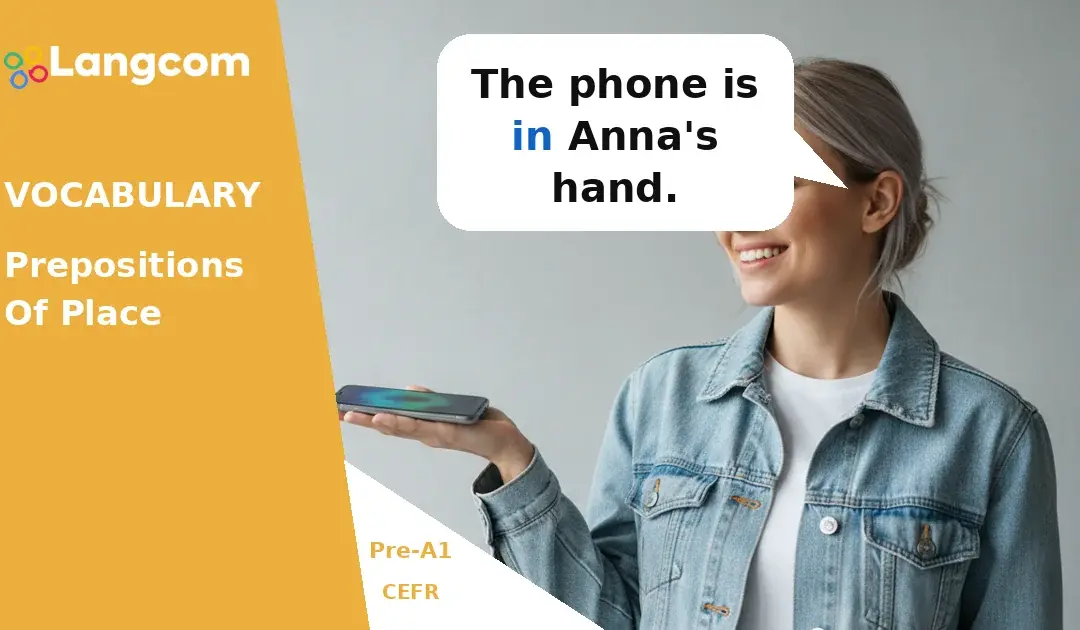
Prepositions of place are small words that tell you exactly where something is. They help you describe the location of people, animals, and objects. For example, if you want to say where your book is, you can use a preposition like on or in. These words are very...
par Raúl | Sep 14, 2026 | Pre A1 Starters
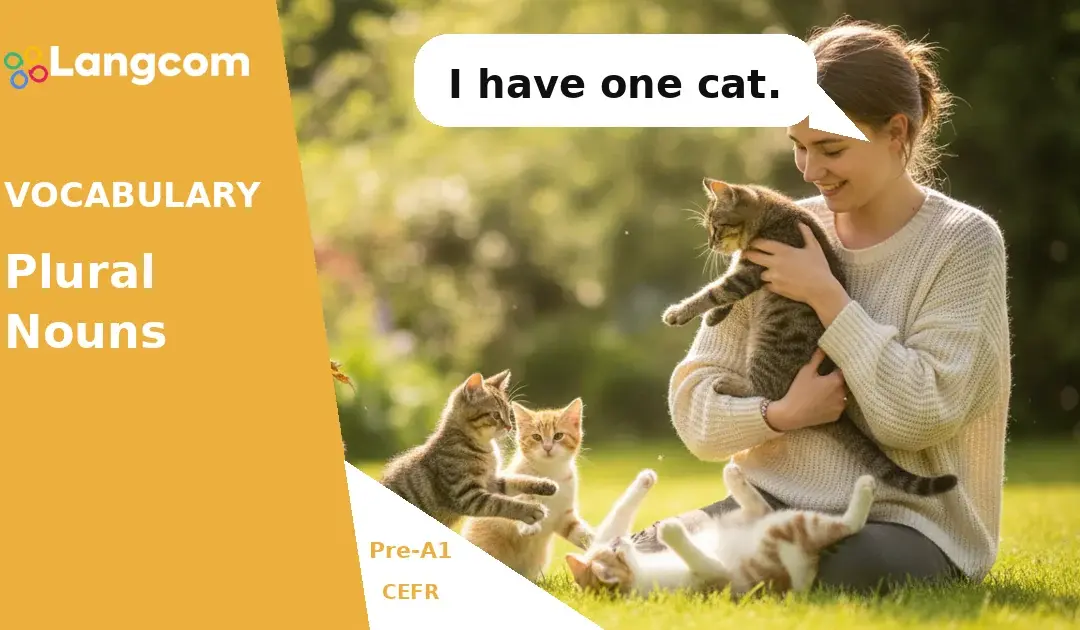
In English, nouns can be singular (one) or plural (more than one). To make most nouns plural, you simply add -s to the end. For example, one book becomes two books. This change helps us know if we are talking about one thing or many things. Sometimes, the ending...
par Raúl | Sep 13, 2026 | Pre A1 Starters
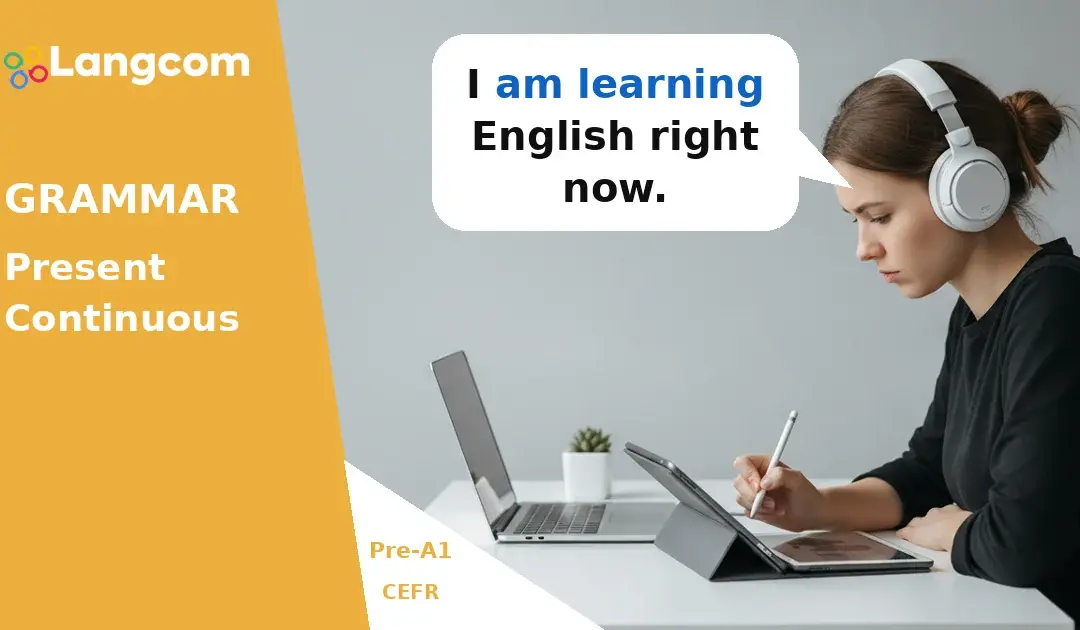
The Present Continuous tense helps you talk about actions happening right now, at this exact moment. It’s like saying ‘now’ with your verb! We use a special form: am, is, or are (from the verb to be) + a verb ending in -ing. For example, if you say I...
