por Raúl | 15 de septiembre de 2026 | B1 Inglés Intermedio
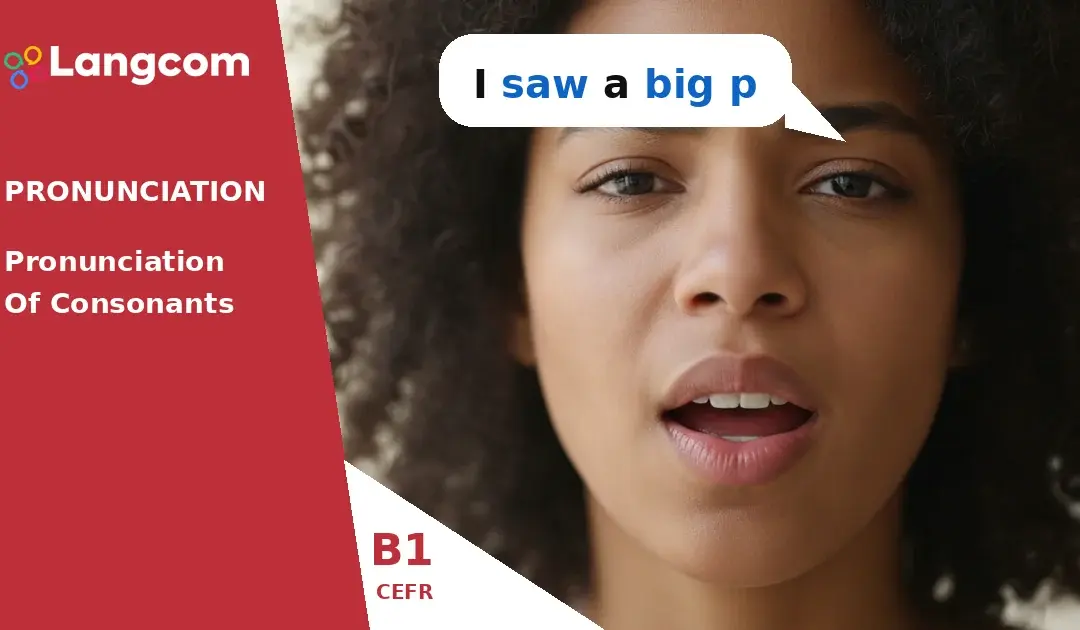
Voiced consonants make your vocal cords vibrate, while unvoiced consonants do not. This difference is key to clear English pronunciation. To feel it, place your hand on your throat when you speak. For example, when you say the /b/ sound in bat, you will feel a...
por Raúl | 15 de septiembre de 2026 | B1 Inglés Intermedio
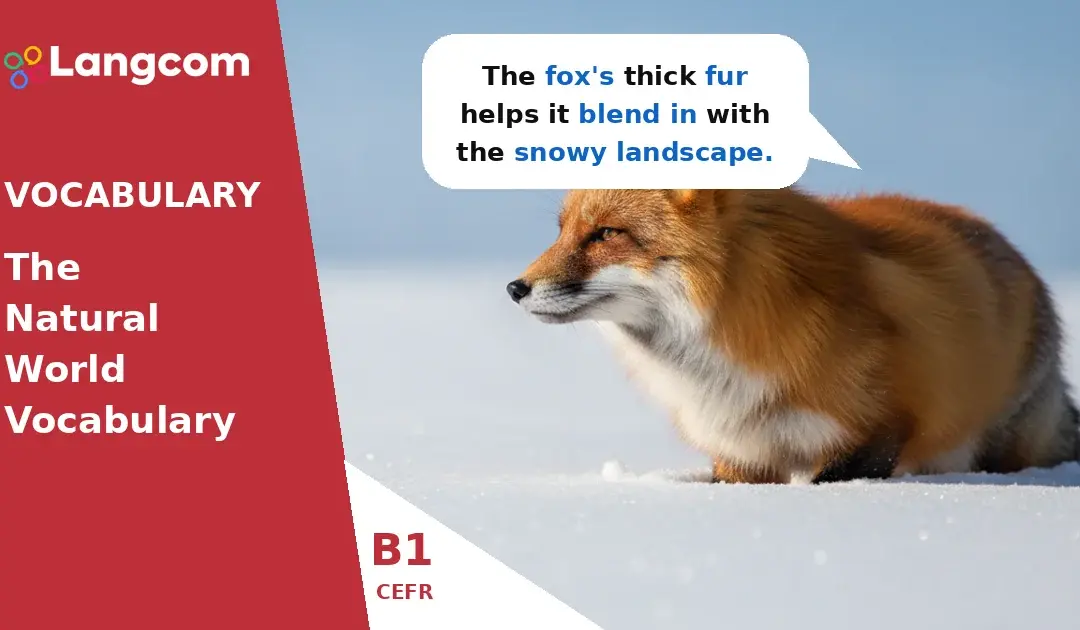
Learning specific vocabulary for the natural world helps you describe animals, plants, and their environments accurately in English. These words are essential for talking about nature, understanding documentaries, or reading articles about wildlife and ecosystems. For...
por Raúl | 15 de septiembre de 2026 | B1 Inglés Intermedio
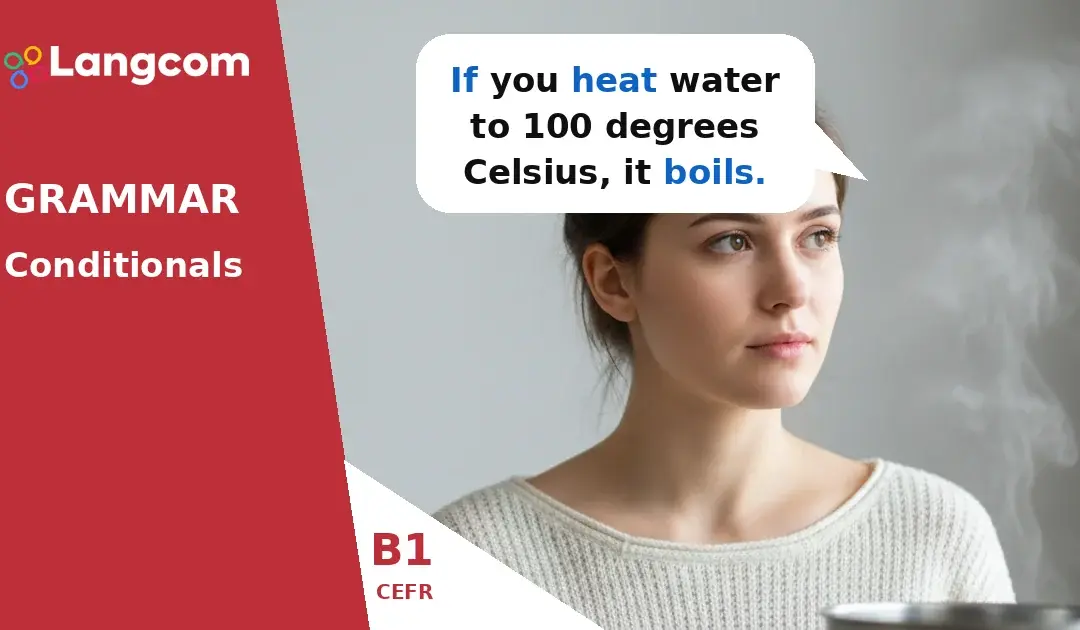
The zero conditional describes general truths and scientific facts, showing what always happens under certain conditions. The first conditional, however, talks about real or possible situations and their likely outcomes in the future. Both structures use an...

por Raúl | 15 de septiembre de 2026 | B1 Inglés Intermedio
English uses different forms to talk about the future, depending on what you want to express: a plan, a spontaneous decision, a prediction, or a fixed arrangement. For B1 learners, the most important forms are will, be going to, and the present continuous. You use...
por Raúl | 15 de septiembre de 2026 | B1 Inglés Intermedio
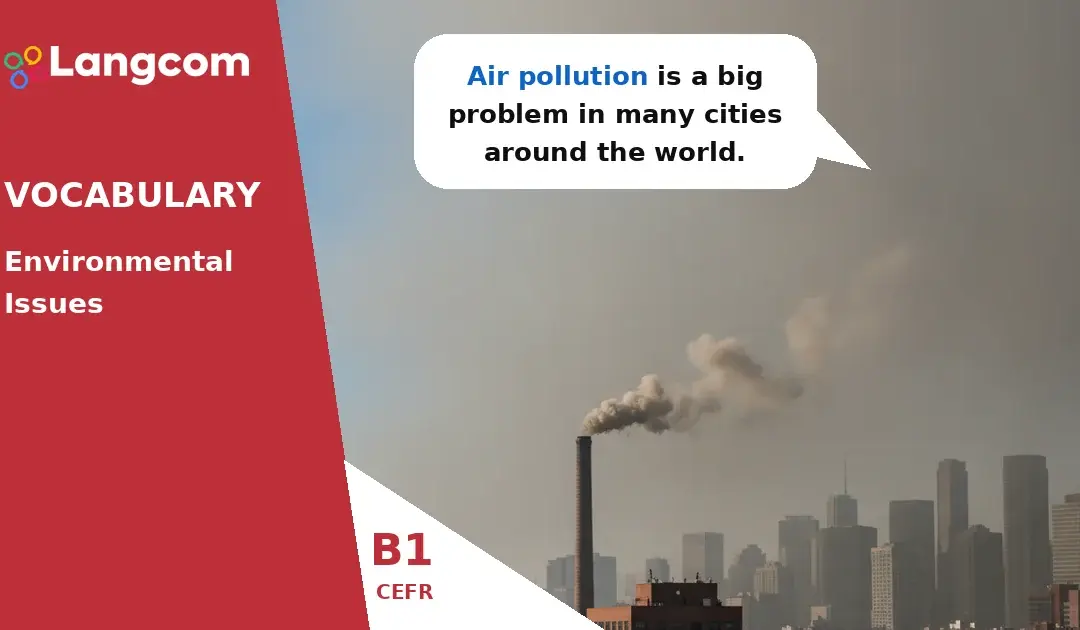
Understanding key vocabulary for environmental issues is essential for B1 English learners to discuss important global topics. These words help you talk about problems facing our planet and the actions we can take to help. You will learn terms like pollution, which...

por Raúl | 15 de septiembre de 2026 | A2 Key (KET)
El primer condicional nos ayuda a hablar de posibilidades reales en el futuro. Lo usamos para describir una situación posible y su resultado probable. Imagina que tienes un plan, pero que depende de que primero ocurra otra cosa. ¡Es precisamente en ese momento cuando se utiliza el primer condicional!...
