por Raúl | Sep 25, 2026 | A1: Inglés para niños principiantes
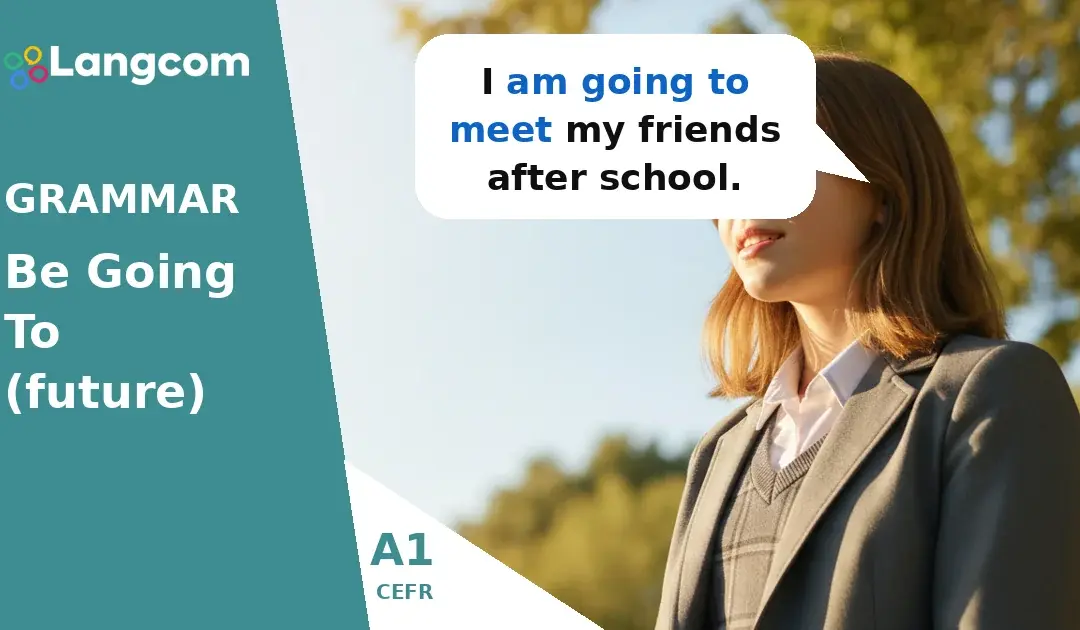
The English structure be going to helps us talk about the future, specifically for plans and intentions we have already made, or for predictions based on something we see or know now. Think of it like saying “I already decided this” or “I see this...

por Raúl | Sep 25, 2026 | A1: Inglés para niños principiantes
Many English verbs can become nouns, helping you talk about actions, ideas, or events as things. This process is called word formation. For example, the verb to invite can become the noun invitation. Learning these changes helps you express yourself more clearly and...

por Raúl | Sep 25, 2026 | A1: Inglés para niños principiantes
We use will to talk about the future, especially for predictions, things we think will happen, or decisions we make right now. It helps us express what we believe about tomorrow, next week, or next year. For example, I think it will rain tomorrow. The negative form is...
por Raúl | Sep 25, 2026 | A1: Inglés para niños principiantes
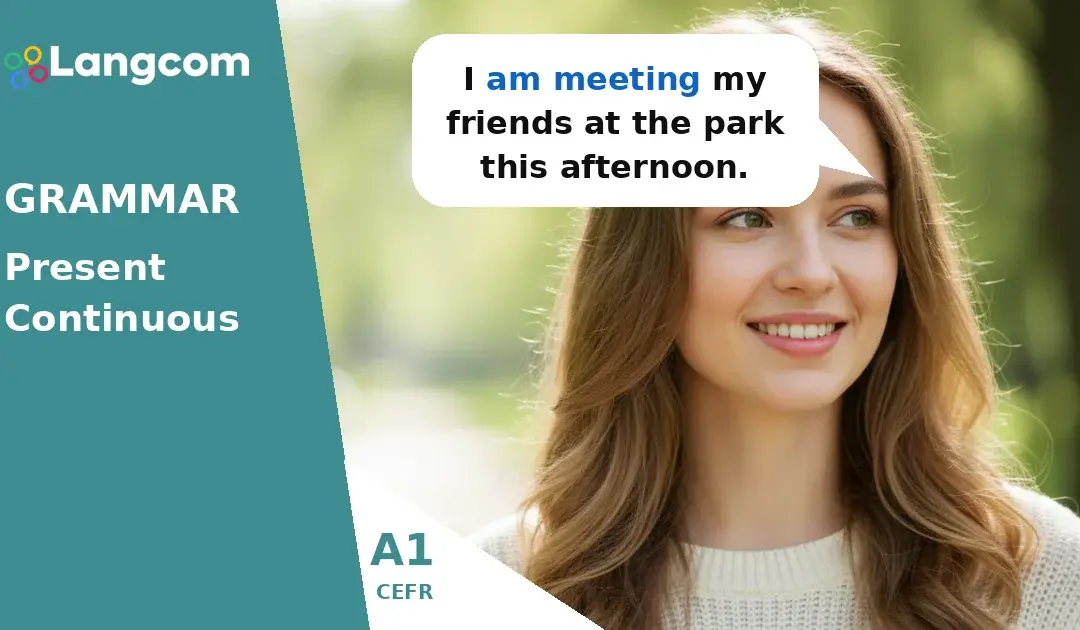
We use the present continuous tense to talk about future plans and arrangements that are already decided. This means you have a fixed plan, like an appointment or a scheduled event. It is not just a general idea; it is something you have organized. For example, if you...
por Raúl | Sep 25, 2026 | A1: Inglés para niños principiantes
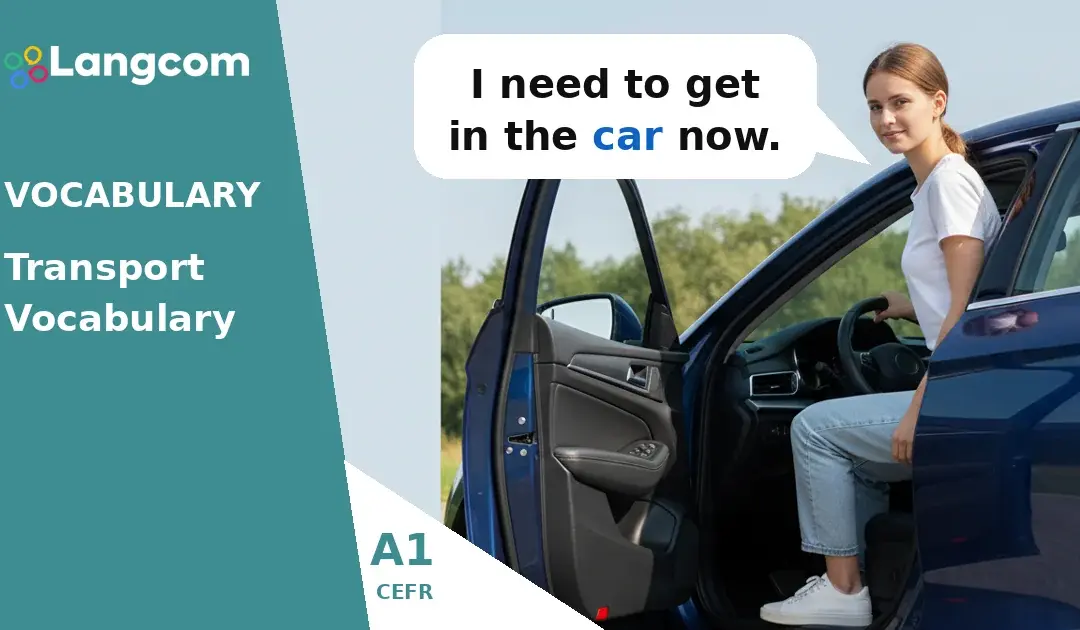
Transport verbs help you talk about how you travel, enter, and exit different vehicles. For small vehicles like cars and taxis, we use get in and get out of. For larger public transport like buses, trains, and planes, we use get on and get off. When you want to take a...
por Raúl | Sep 25, 2026 | A1: Inglés para niños principiantes
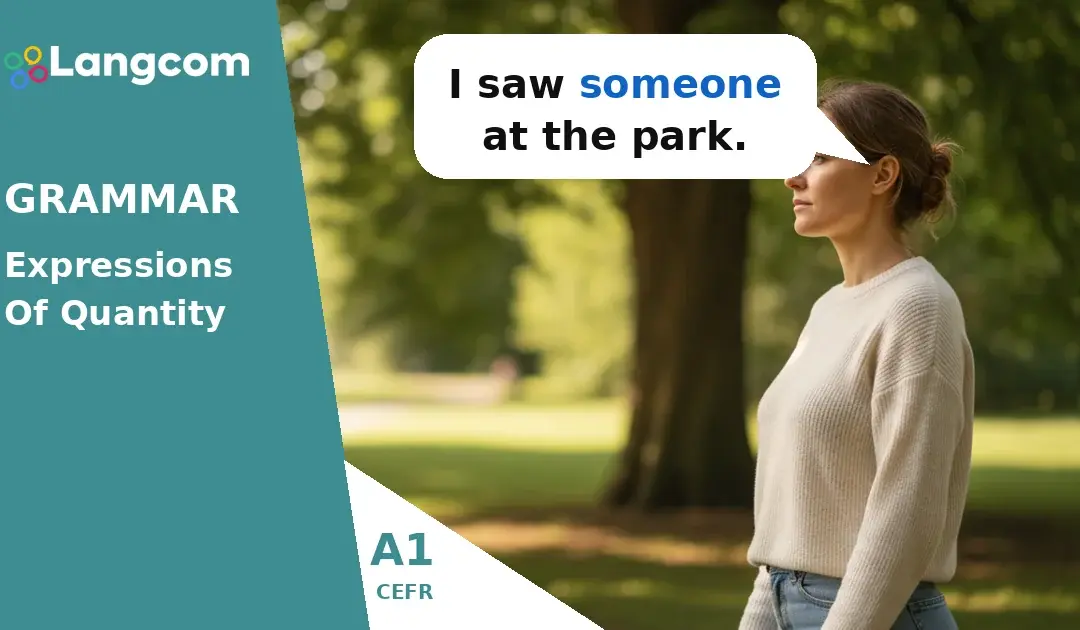
Some-, any-, every-, and no- are important words in English that help us talk about quantities of people, things, or places. We combine them with -one (or -body), -thing, and -where to create words like someone, anything, everywhere, or nothing. These words tell us if...
