
por Raúl | 15 de septiembre de 2026 | B1 Inglés Intermedio
The zero conditional describes general truths and scientific facts, showing what always happens under certain conditions. The first conditional, however, talks about real or possible situations and their likely outcomes in the future. Both structures use an...

por Raúl | 15 de septiembre de 2026 | B1 Inglés Intermedio
English uses different forms to talk about the future, depending on what you want to express: a plan, a spontaneous decision, a prediction, or a fixed arrangement. For B1 learners, the most important forms are will, be going to, and the present continuous. You use...
por Raúl | 15 de septiembre de 2026 | B1 Inglés Intermedio
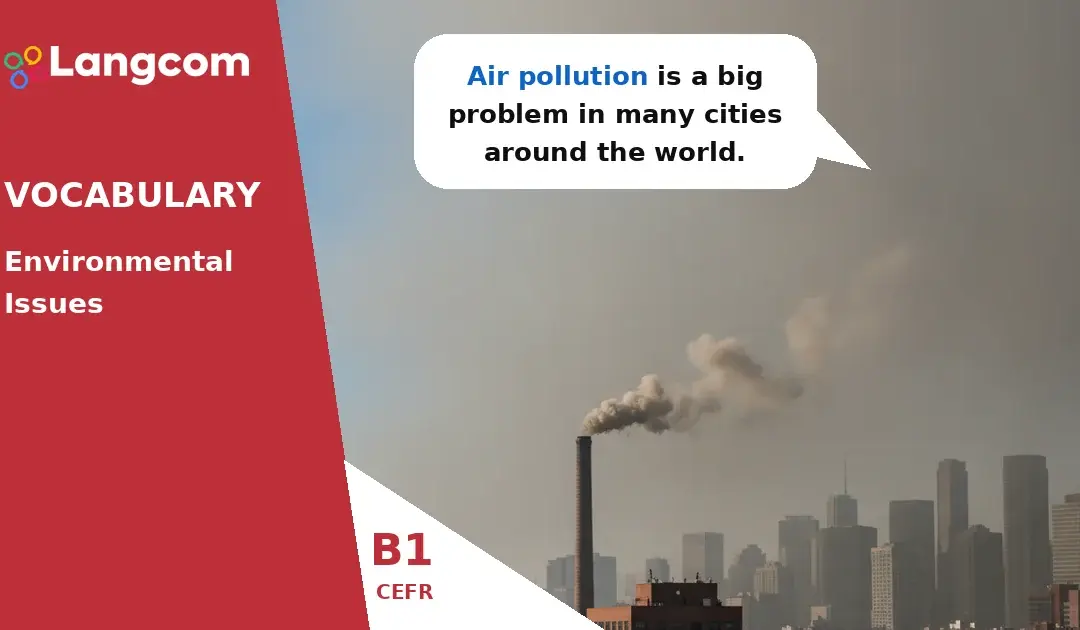
Understanding key vocabulary for environmental issues is essential for B1 English learners to discuss important global topics. These words help you talk about problems facing our planet and the actions we can take to help. You will learn terms like pollution, which...
por Raúl | 15 de septiembre de 2026 | B1 Inglés Intermedio
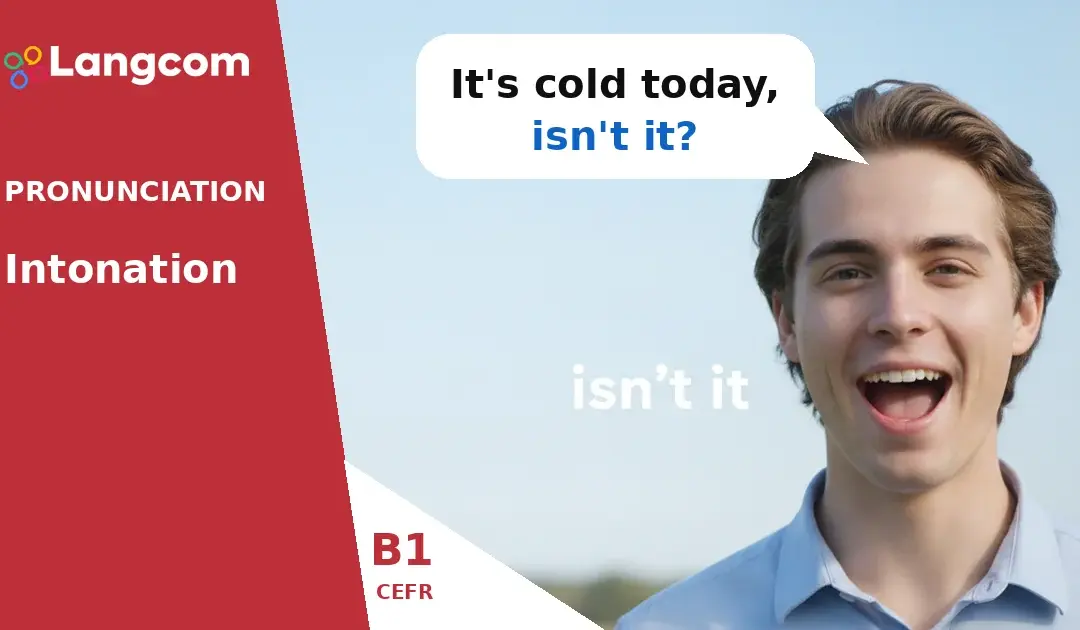
The way your voice goes up or down at the end of a question tag changes its meaning. If your voice goes down (falling intonation), you are usually checking information you already believe is true, and you expect the other person to agree. For example, in...

por Raúl | 15 de septiembre de 2026 | B1 Inglés Intermedio
Articles are small but important words in English that tell us if a noun is specific or general. There are three types: a, an (indefinite articles), the (definite article), and sometimes no article at all (the zero article). We use a or an when we talk about any one...
por Raúl | 15 de septiembre de 2026 | B1 Inglés Intermedio
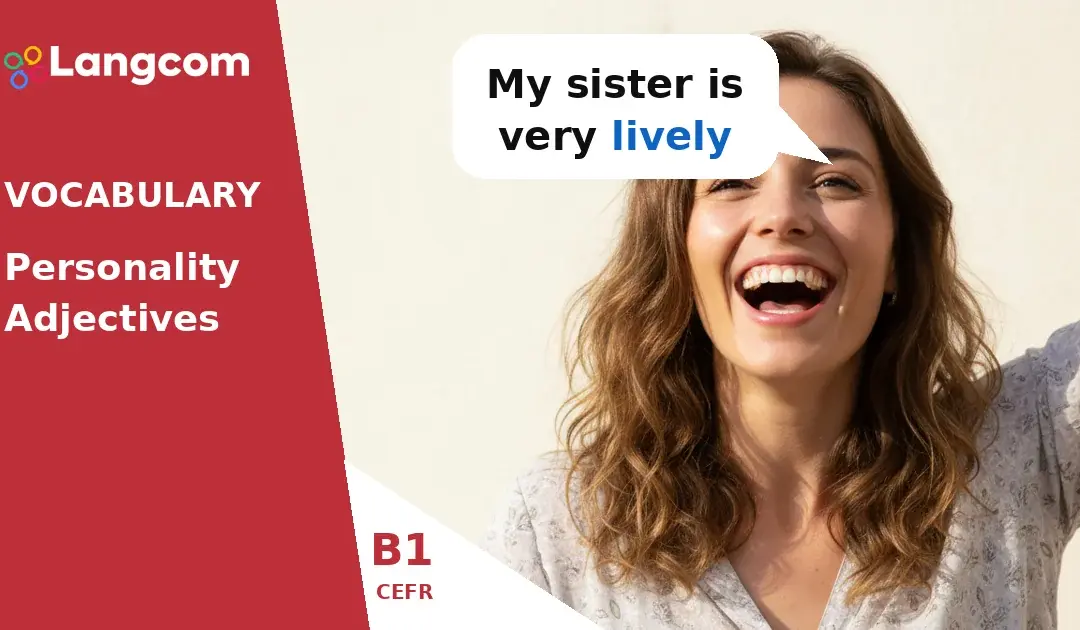
Personality adjectives help you describe people’s character and behavior in English. At B1 level, learning words like sociable, shy, lively, active, talkative, and sensitive is essential for conversations about friends, family, and colleagues. These words allow...
