por Raúl | 23 de septiembre de 2026 | C1 Advanced (CAE)
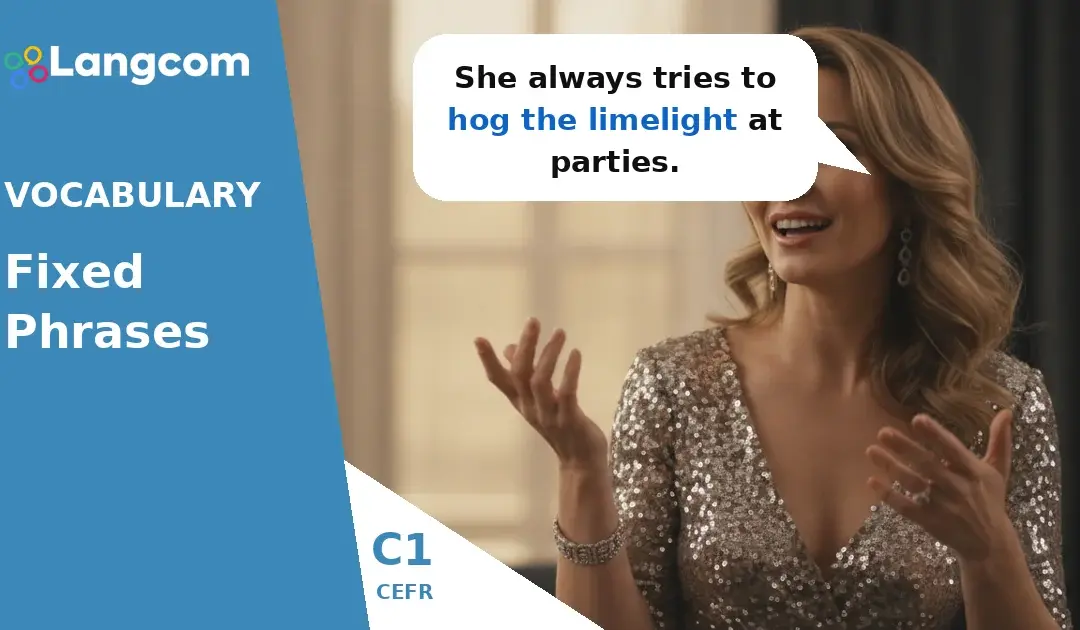
Las expresiones fijas son grupos de palabras que siempre aparecen juntas en un orden concreto y cuyo significado suele diferir del de las palabras por separado. Aprender estas expresiones es fundamental para los estudiantes de inglés de nivel C1, ya que hacen que tu forma de expresarte suene mucho más natural y...
por Raúl | 23 de septiembre de 2026 | C1 Advanced (CAE)
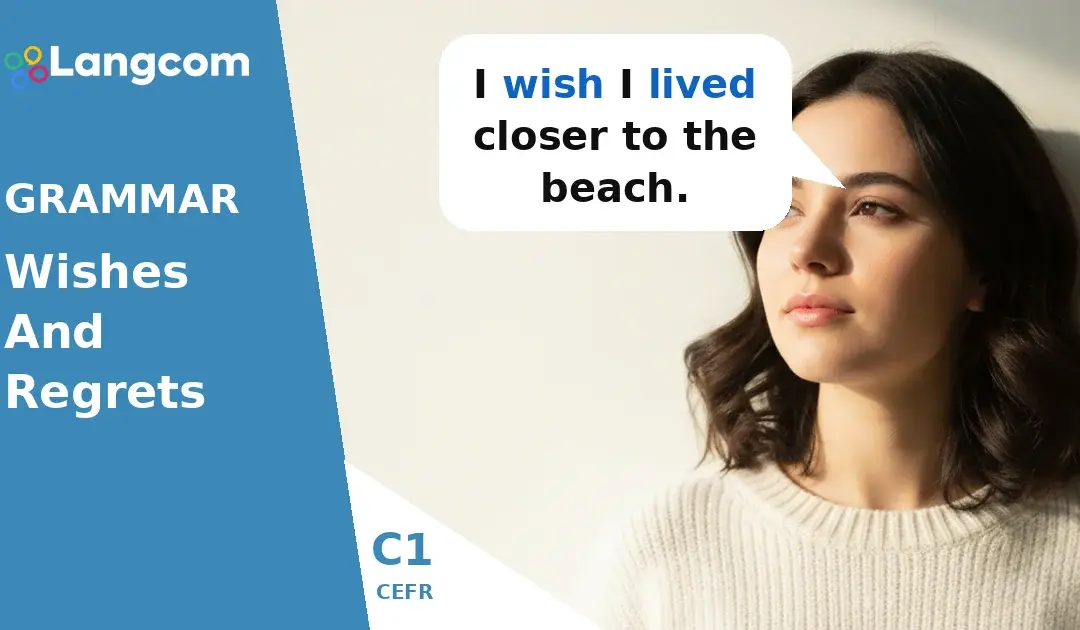
Para expresar deseos y lamentaciones en inglés a un nivel C1, se utilizan principalmente estructuras con «wish» o «if only», seguidas de un verbo en pasado. Esto te permite hablar de situaciones que te gustaría que fueran diferentes en el presente, quejarte de hábitos actuales o expresar pesar...
por Raúl | 23 de septiembre de 2026 | A1: Inglés para niños principiantes
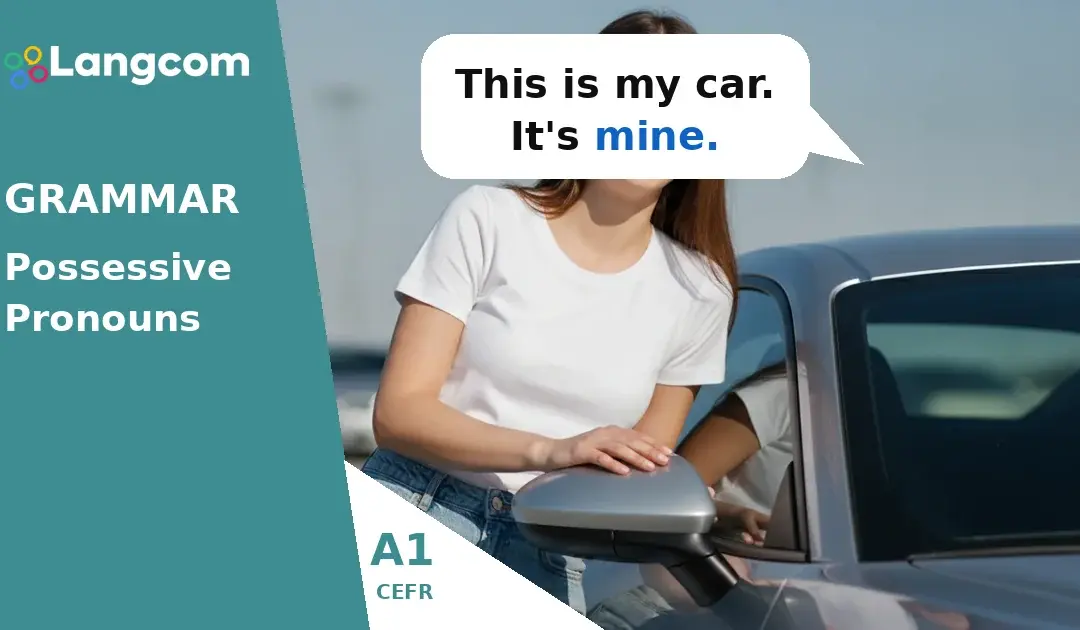
Possessive pronouns show who owns something without needing to say the noun again. They make sentences shorter and clearer. In English, the main possessive pronouns are mine, yours, his, hers, ours, and theirs. For example, instead of saying This is my book and then...
por Raúl | 23 de septiembre de 2026 | A1: Inglés para niños principiantes
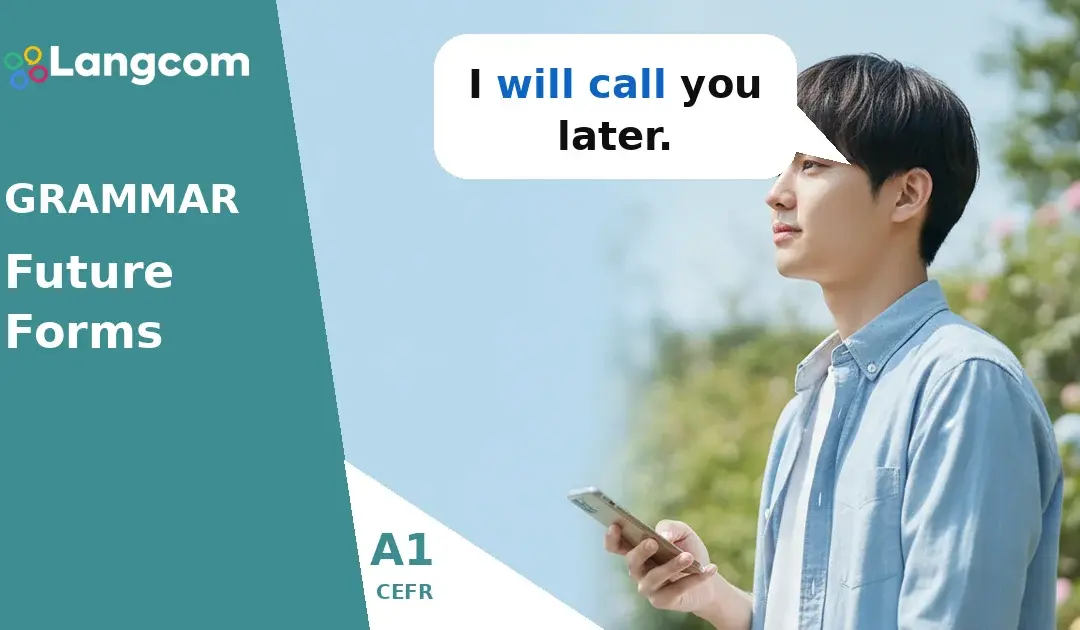
We use will to talk about the future. This means we talk about things that are not happening now and did not happen in the past. It is very useful for making simple predictions about what you think will happen. You can also use will for decisions you make right now,...
por Raúl | 23 de septiembre de 2026 | A1: Inglés para niños principiantes
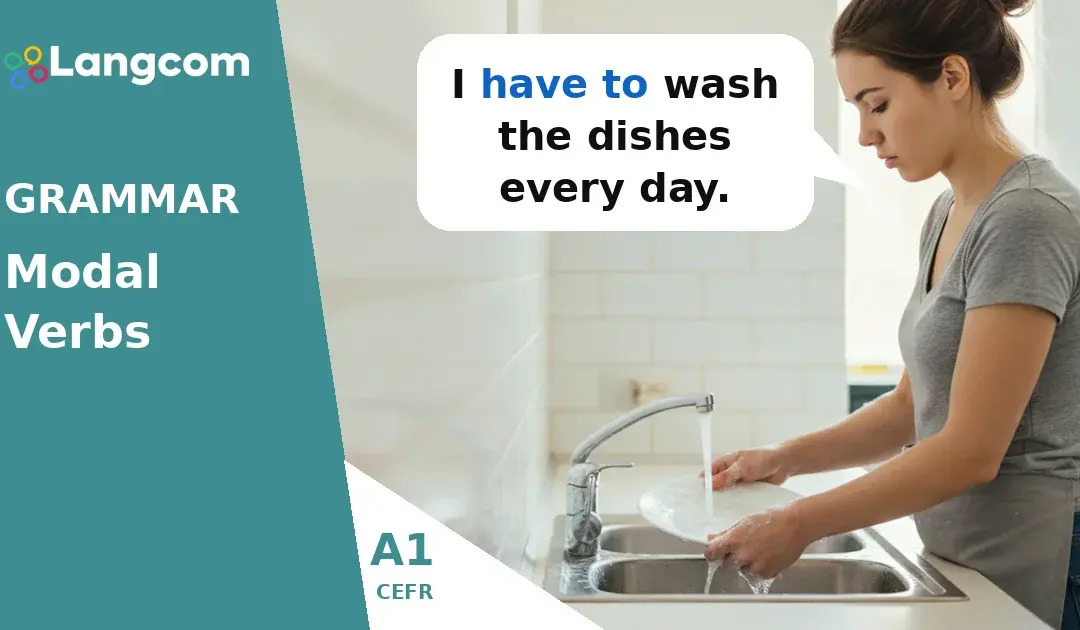
We use have to to talk about rules, obligations, or things that are necessary. It means something is required, like a chore, a school rule, or a work task. You cannot choose not to do it. For example, I have to go to school means school is mandatory for you. We use...
