by Raúl | Jul 15, 2026 | A2 Basic English
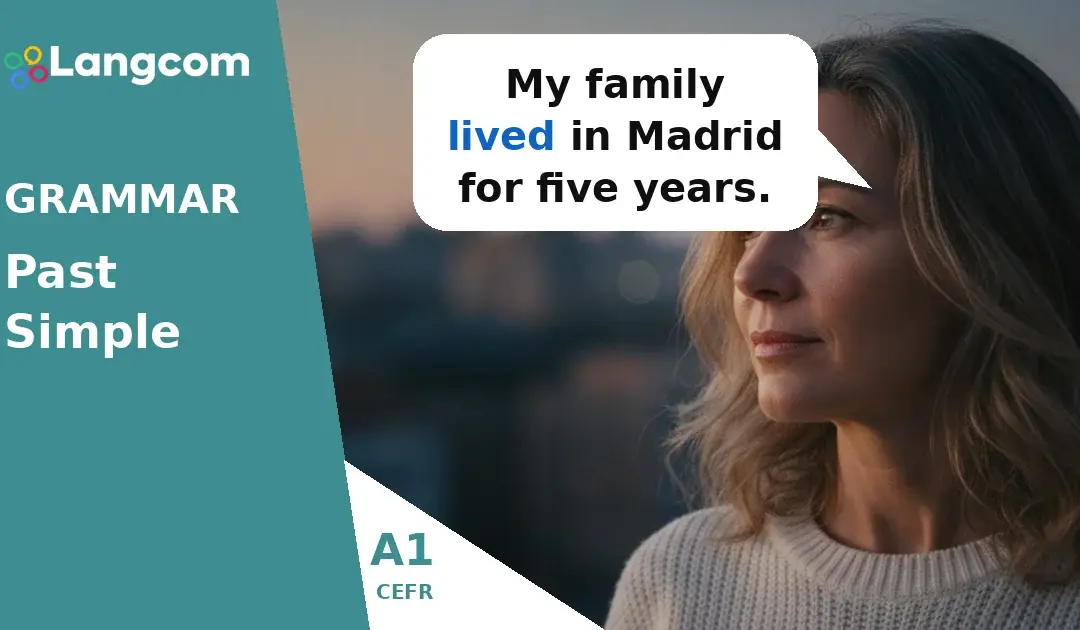
The Past Simple positive form tells us about actions that started and finished in the past. We use it to describe events that are completely over, like I visited my friend yesterday. or She ate pizza last night. It’s essential for telling stories, talking about...
by Raúl | Jul 15, 2026 | A2 Basic English
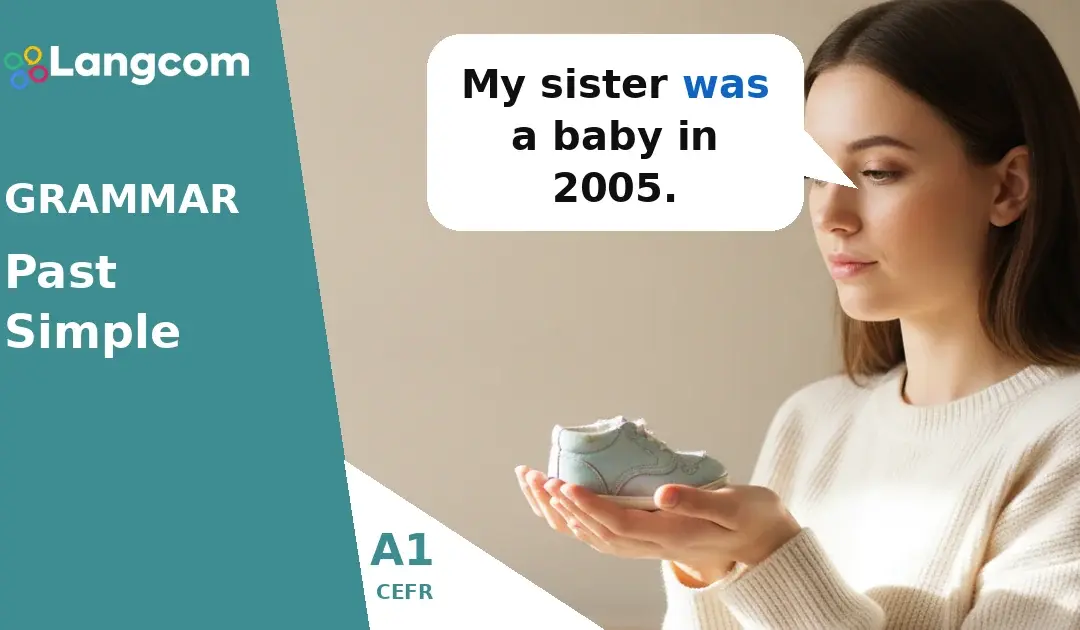
The Past Simple of ‘be’ (was/were) helps us talk about how things were, where people were, or what someone was like in the past. It’s one of the most important verbs in English for A1 learners. We use was for singular subjects like I, he, she, it,...
by Raúl | Jul 15, 2026 | A2 Basic English
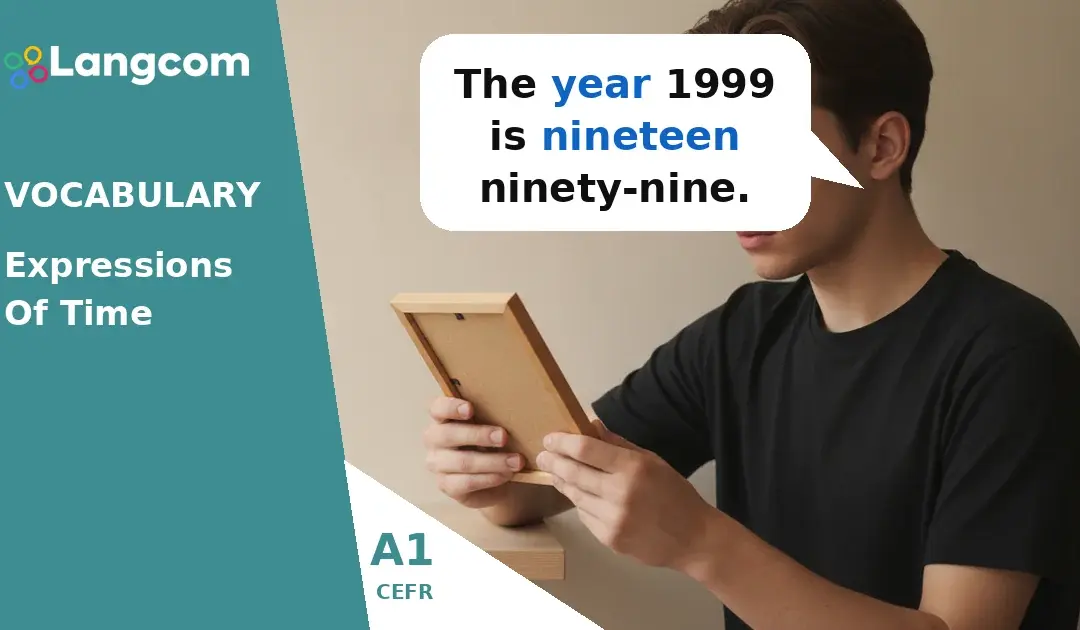
To say years in English, we usually split them into two pairs of numbers, like nineteen eighty-four for 1984. For years from 2000 to 2009, say two thousand and X, for example, two thousand and five. From 2010, you can say twenty X, like twenty twenty-three. For dates,...
by Raúl | Jul 15, 2026 | A2 Basic English
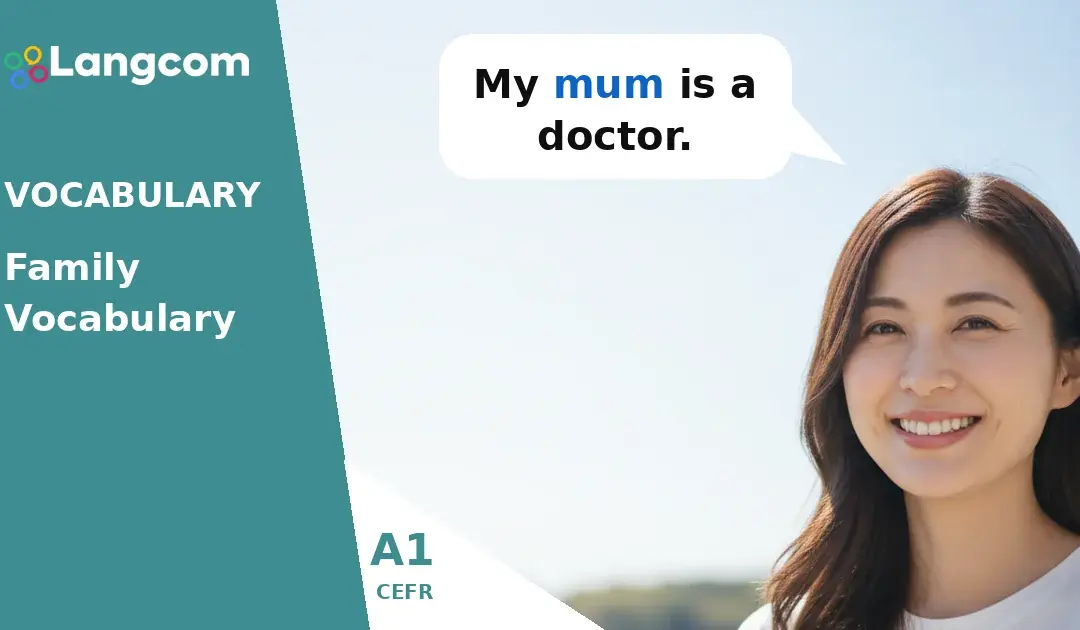
Learning English words for family members helps you talk about the people you love. At A1 level, you will learn basic words like mum, dad, brother, and sister. These words are important for everyday conversations and understanding simple texts. Knowing them allows you...

by Raúl | Jul 15, 2026 | A1 Beginner English
To ask questions about past events in English, we usually use the auxiliary verb did with the base form of the main verb. This structure helps you ask about actions that finished in the past. For example, if you want to know about someone’s holiday, you might...
by Raúl | Jul 15, 2026 | A1 Beginner English
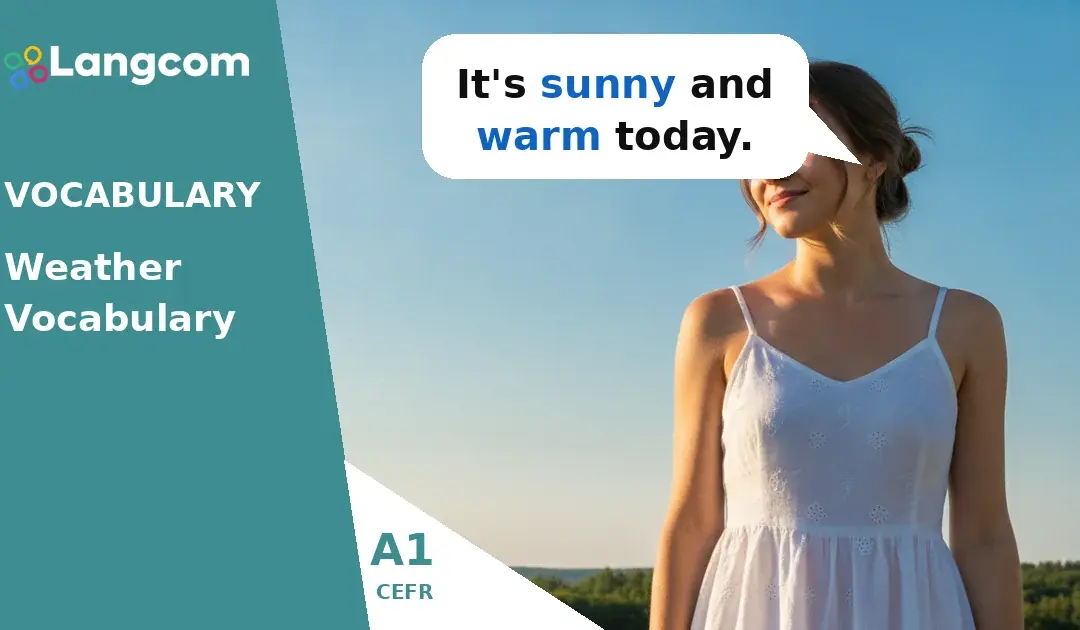
To talk about the weather in English, you often use the verb to be and an adjective. For example, you say It’s sunny or It’s cold. This lesson will help you learn essential words to describe different types of weather, like sunny, rainy, cloudy, hot, and...
