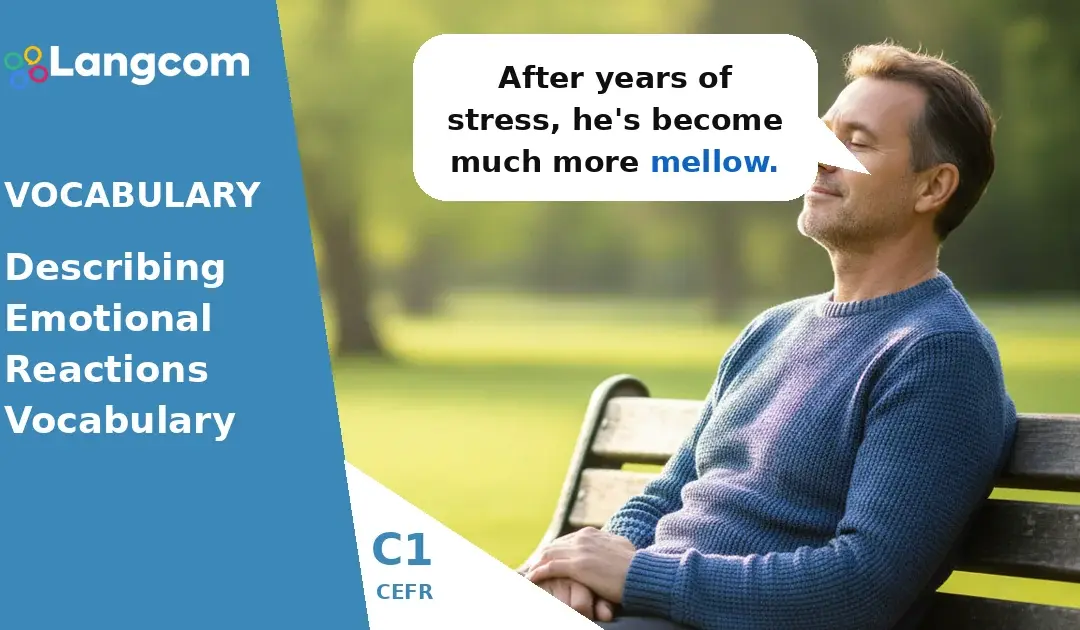
by Raúl | Jul 29, 2026 | C1 Advanced English
Mastering C1 vocabulary for emotional reactions allows you to express complex feelings with accuracy and nuance, essential for advanced communication. At this level, it is not enough to simply say “happy” or “sad.” You need words that convey...
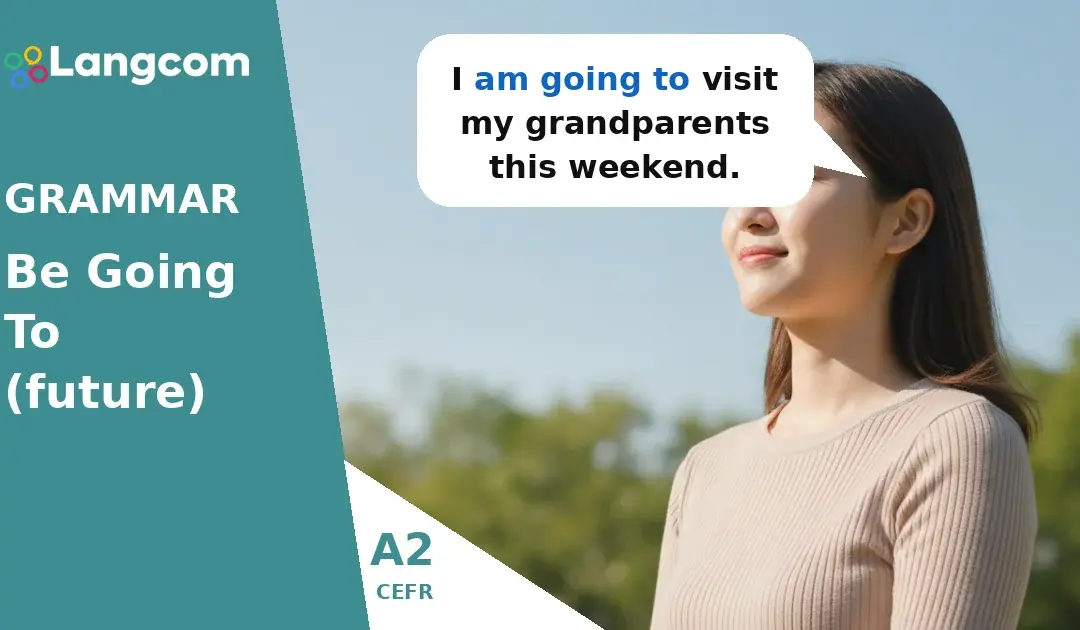
by Raúl | Jul 29, 2026 | A2 Basic English
Be going to is an essential English grammar structure that helps us talk about future plans and make predictions based on present evidence. This form is perfect for expressing intentions you have already decided on. For instance, if you have bought tickets for a...
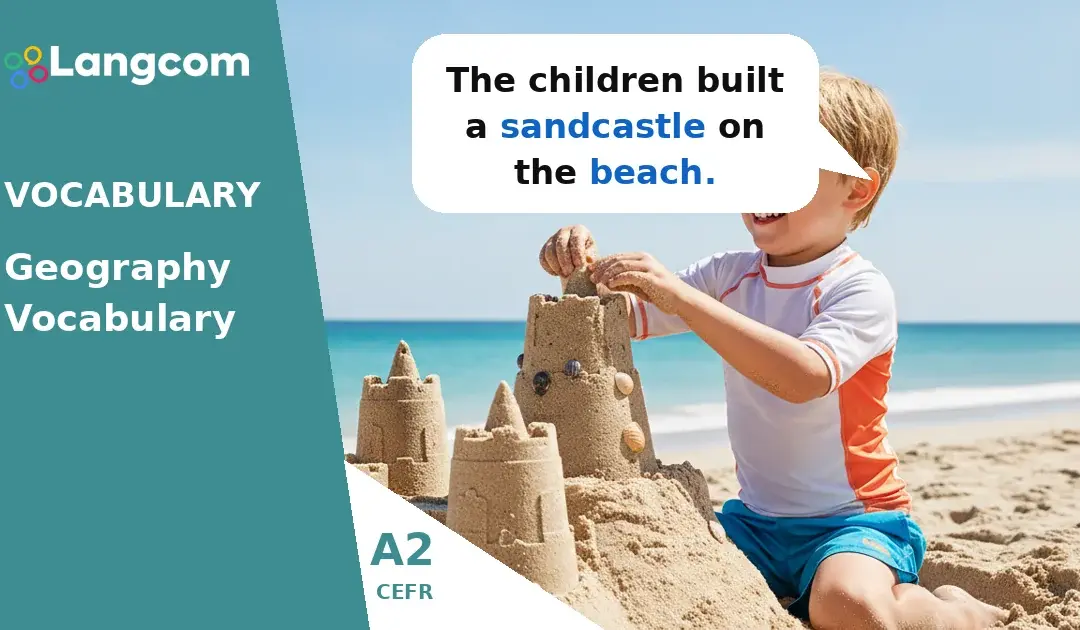
by Raúl | Jul 29, 2026 | A2 Basic English
Learning essential geography vocabulary helps you describe the natural world in English. These words, like mountain, river, and forest, are important for A2 learners to talk about places, travel, and nature. Understanding them allows you to read simple descriptions of...
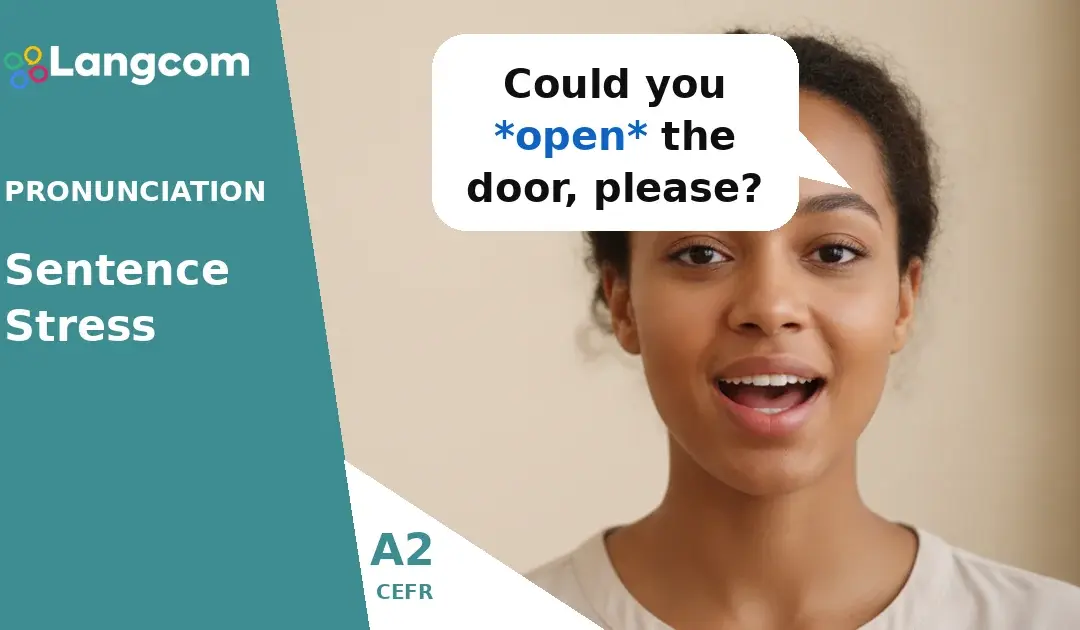
by Raúl | Jul 29, 2026 | A2 Basic English
Sentence stress makes your English sound natural and clear. It means making some words longer, louder, and higher in pitch than others in a sentence. For polite requests, like when you ask for help, the main stress usually falls on the main verb. For example, in Could...
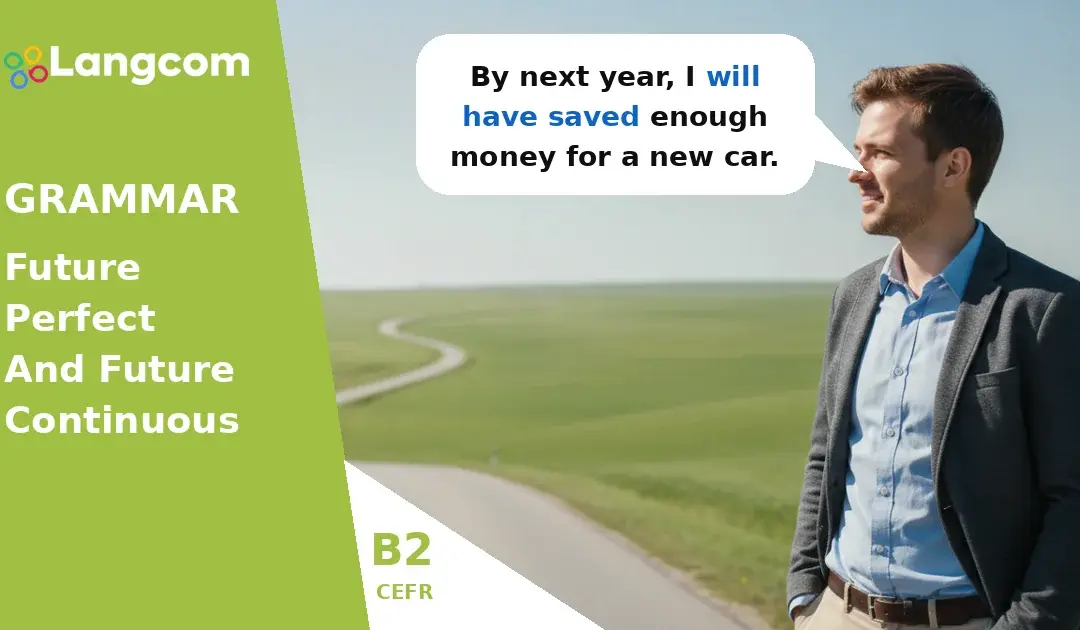
by Raúl | Jul 29, 2026 | B2 Upper Intermediate English
The Future Perfect tense describes an action that will be completed before a specific time in the future, while the Future Continuous tense describes an action that will be in progress at a specific time in the future. Both tenses help us talk about future events with...
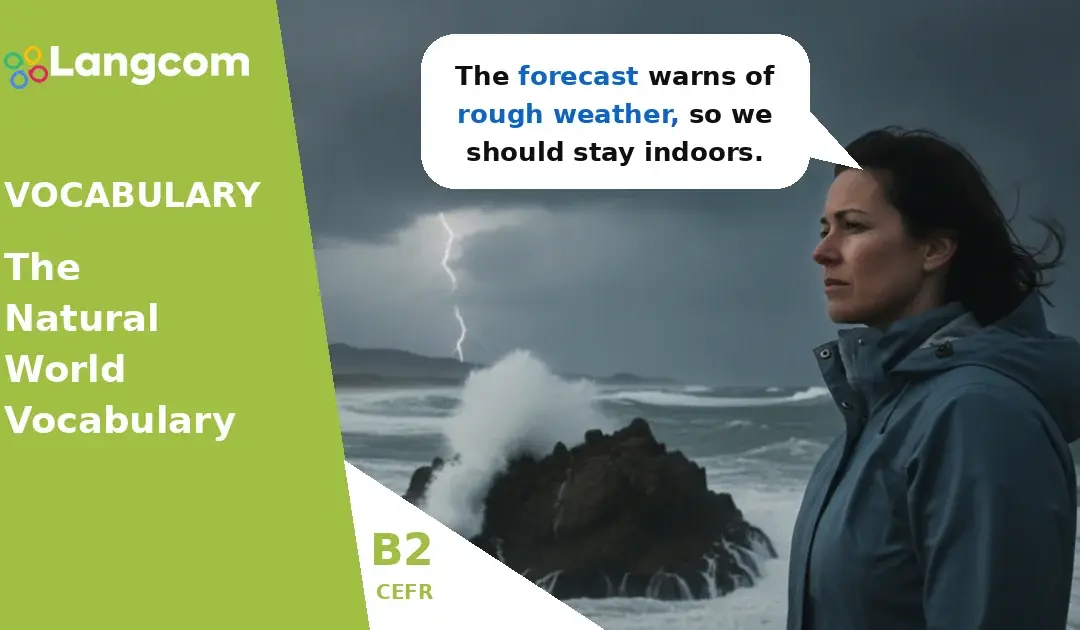
by Raúl | Jul 29, 2026 | B2 Upper Intermediate English
Collocations are pairs or groups of words that naturally go together in English. For B2 learners, mastering natural world collocations is crucial for discussing environmental topics with accuracy and fluency. These fixed expressions, like climate change or carbon...
