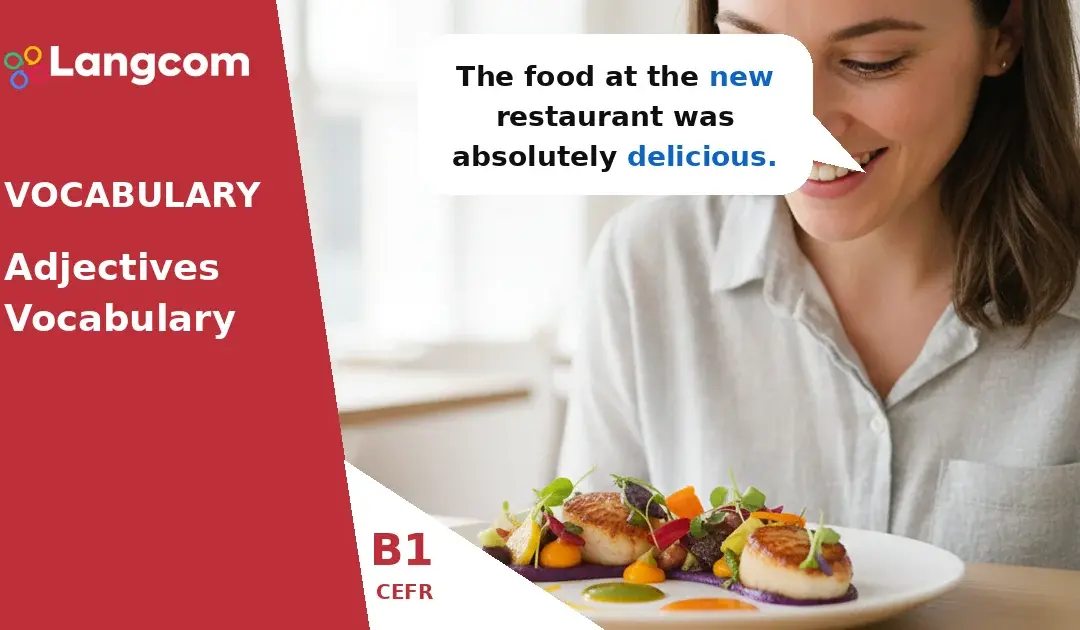
by Raúl | Jul 30, 2026 | B1 Intermediate English
Adjectives are words that describe nouns, giving more information about people, places, things, or ideas. They make your English more interesting and precise. For example, instead of just saying ‘The movie was good,’ you can use a stronger adjective like...
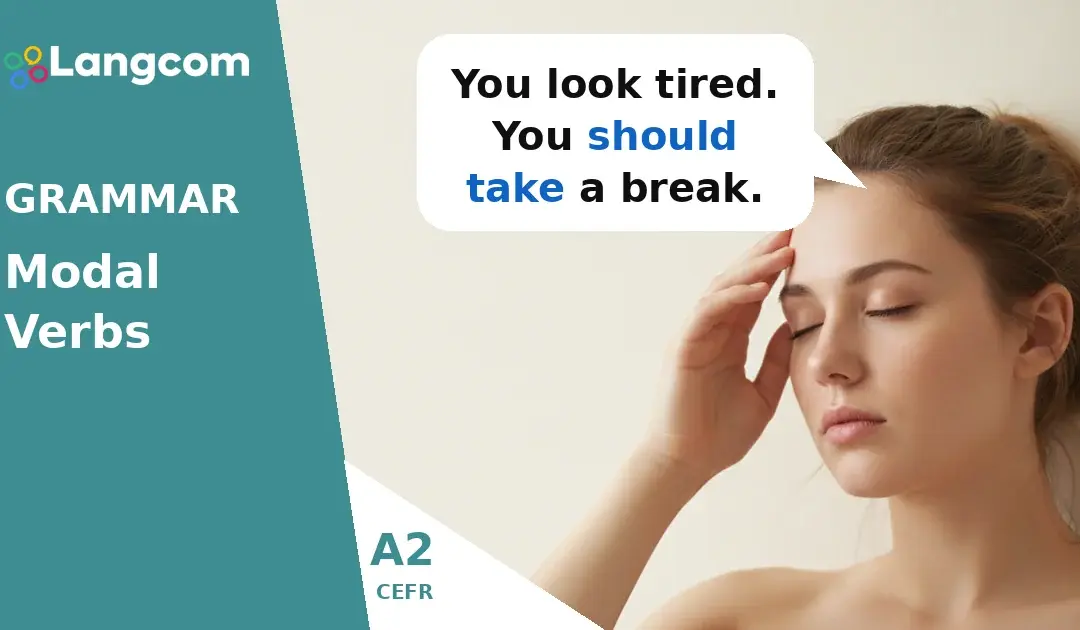
by Raúl | Jul 30, 2026 | A2 Basic English
Should and shouldn’t are modal verbs we use to give advice or make recommendations. They tell us what is a good idea to do, or what is not a good idea to do. Think of them as suggesting the best action for a situation. For example, if your friend has a test...

by Raúl | Jul 30, 2026 | A2 Basic English
Collocations are groups of words that often go together naturally in English. Learning travel collocations helps you sound more natural and fluent when you talk about holidays and trips. Instead of saying words separately, you combine them in common ways, just like...
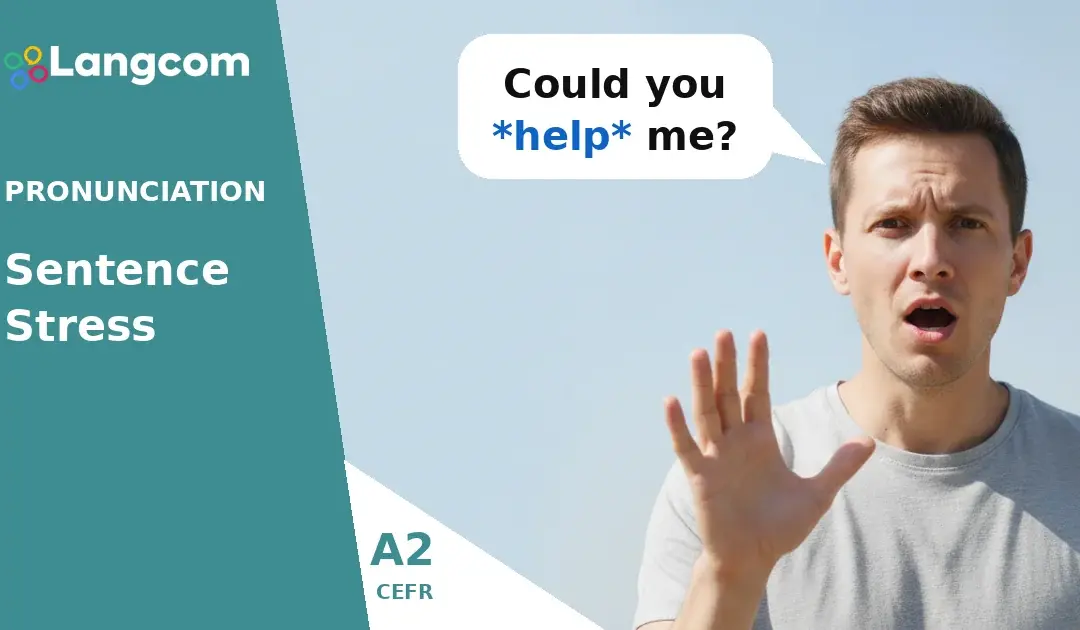
by Raúl | Jul 29, 2026 | A2 Basic English
When you ask for help in English, put the main stress on the *main verb* of your request. This makes your request clear and sounds natural to native speakers. English speakers emphasize important words to help listeners understand the key information. For example, in...
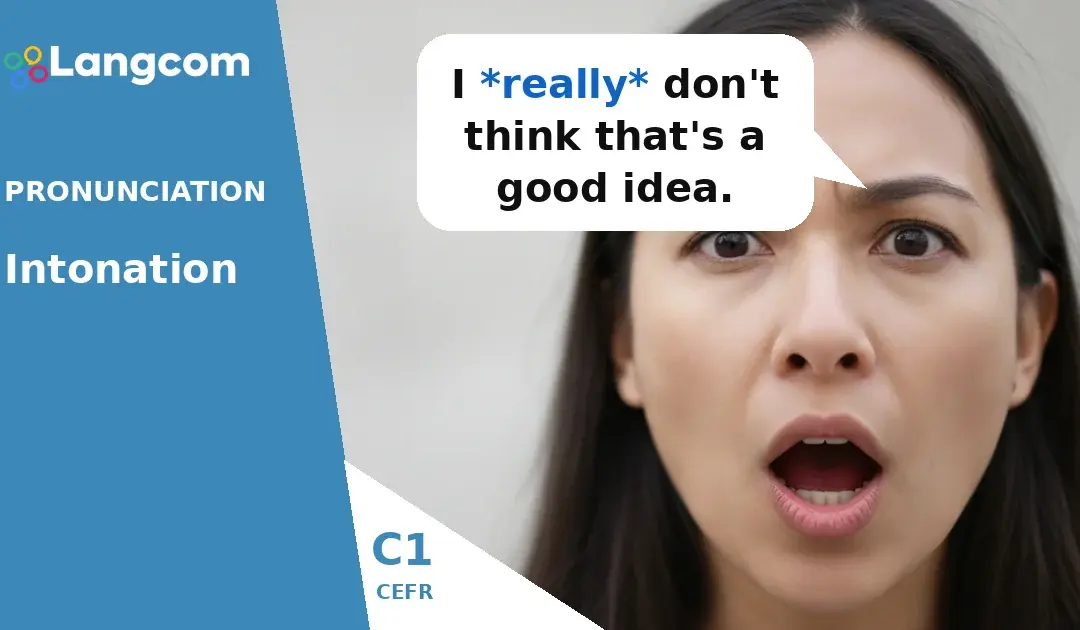
by Raúl | Jul 29, 2026 | C1 Advanced English
Intonation is the music of English speech, and at a C1 level, mastering it allows you to express subtle meanings and strong emotions. By changing the pitch of your voice on specific words, you can highlight what is most important, convey surprise, doubt, sarcasm, or...
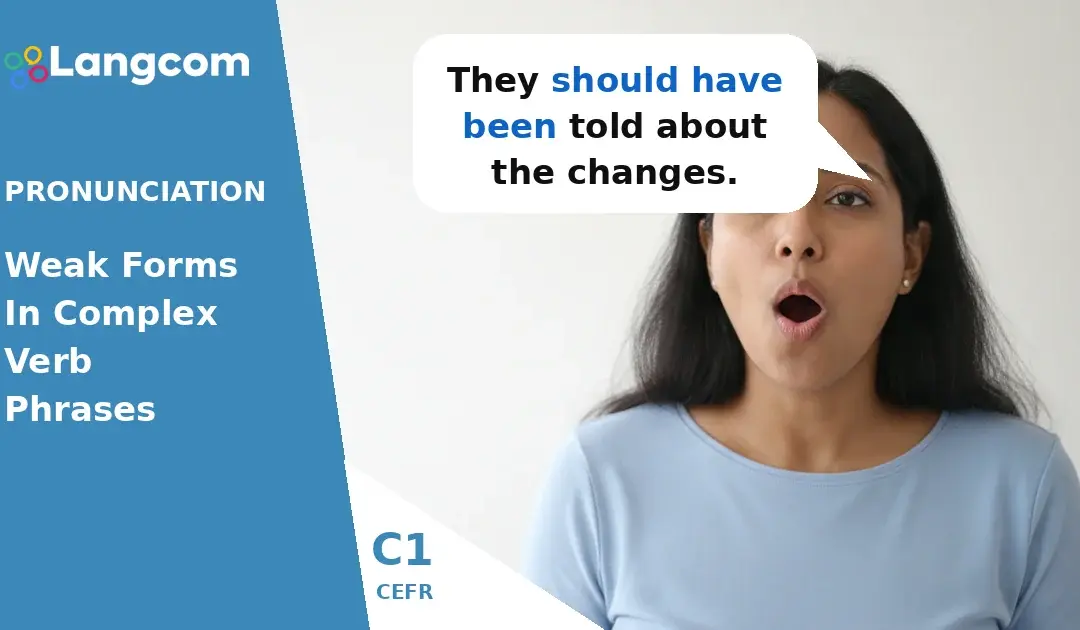
by Raúl | Jul 29, 2026 | C1 Advanced English
Understanding and recognizing weak forms in complex English verb phrases is essential for C1 learners to achieve natural pronunciation and high-level listening comprehension. Weak forms occur when unstressed function words, like auxiliary verbs, prepositions, and...
