by Raúl | Sep 24, 2026 | A1 Beginner English for Kids
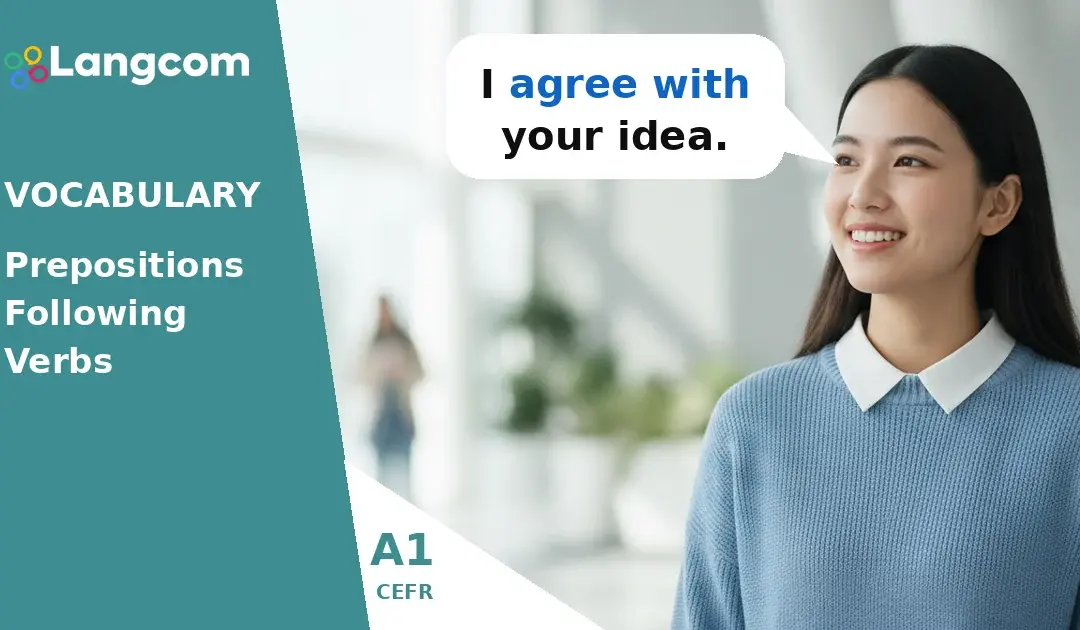
In English, many verbs need a specific preposition after them to complete their meaning. These are called ‘verb + preposition’ combinations. You cannot change these prepositions. For example, you always agree with a person or an idea, and you always listen...
by Raúl | Sep 24, 2026 | A1 Beginner English for Kids
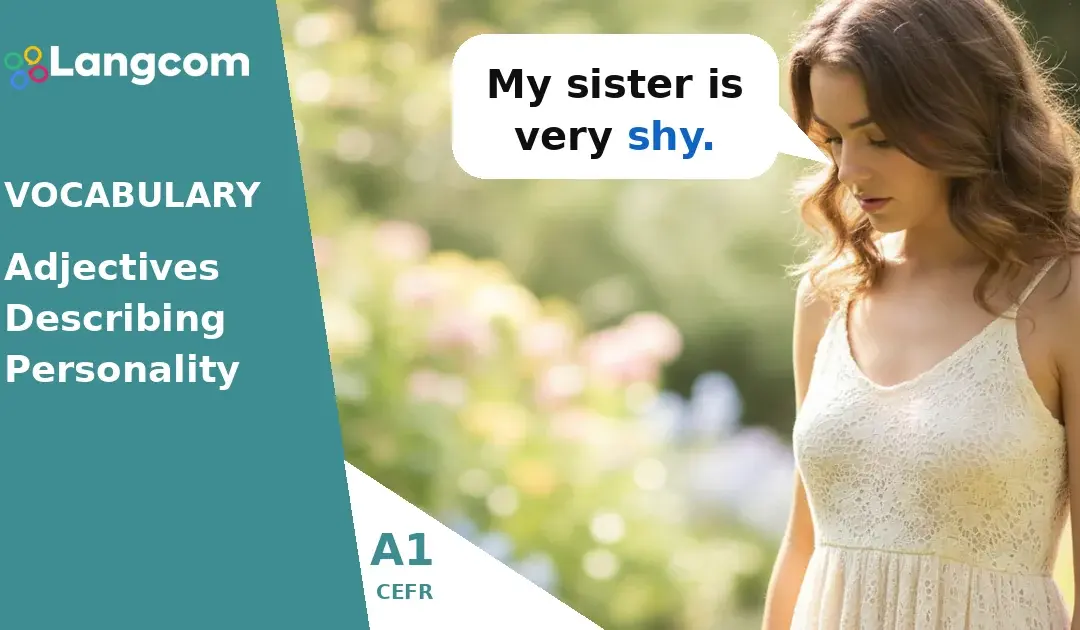
Character adjectives help you describe people’s personalities in English. These words tell us about how someone acts and feels. For example, if someone does not like to talk much, they are shy. If someone always makes you laugh, they are funny. Learning these...
by Raúl | Sep 24, 2026 | A1 Beginner English for Kids
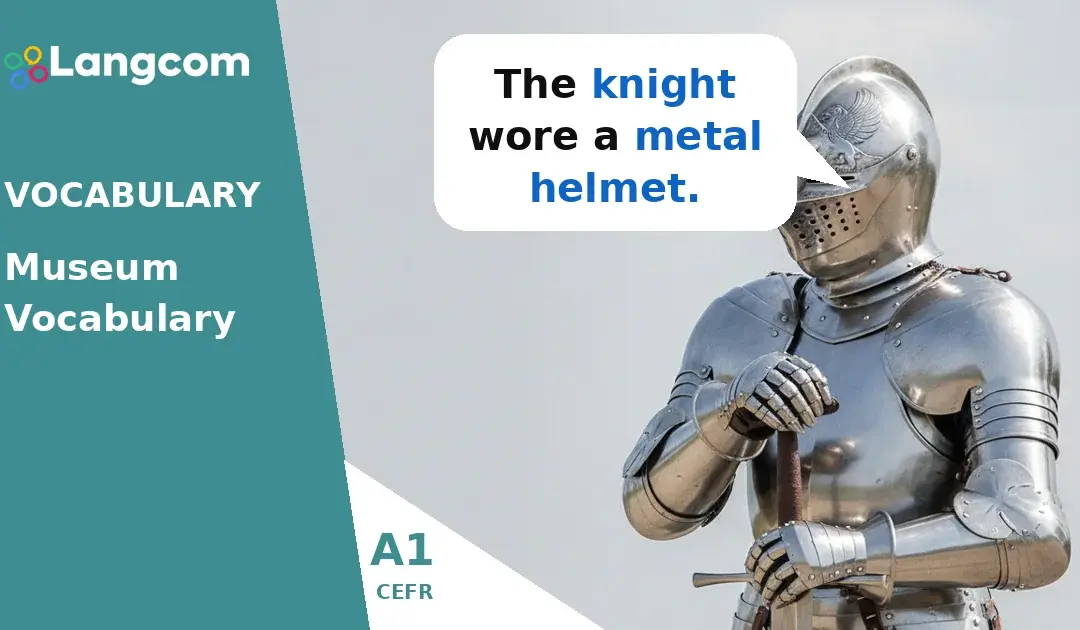
Museums are special places where you can see old and interesting things from history. They show us how people lived long ago and what they used. Learning new words for museum objects helps you understand and talk about these fascinating exhibits. In this lesson, you...
by Raúl | Sep 24, 2026 | A1 Beginner English for Kids
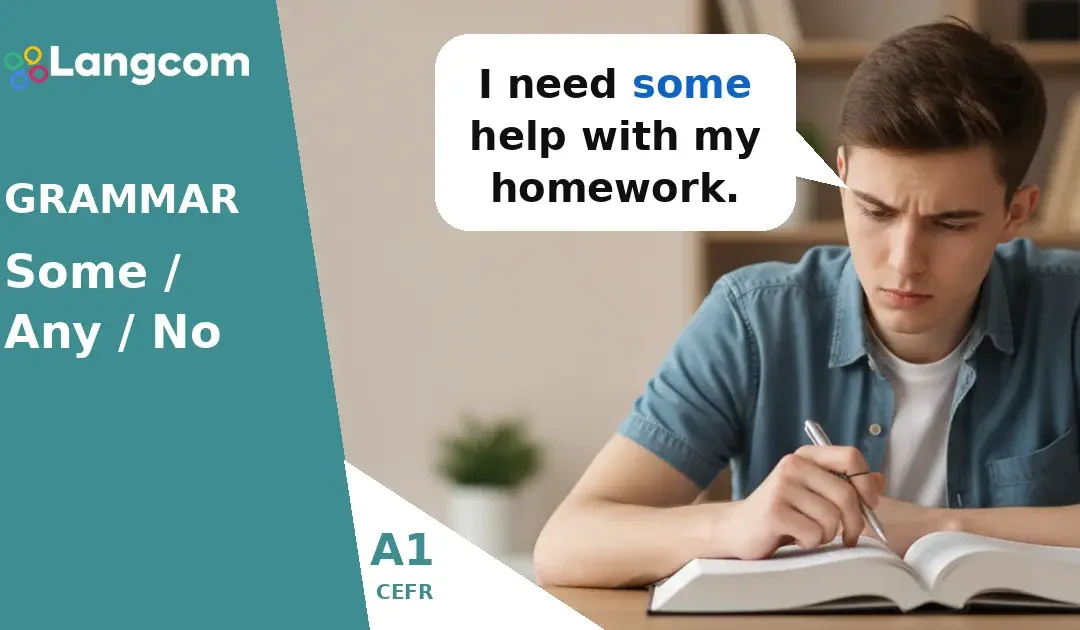
To use some, any, and no correctly in English, remember this key rule: Some is generally for positive sentences and offers/requests, any is for questions and negative sentences, and no gives a negative meaning with a positive verb. These words help us talk about...
by Raúl | Sep 24, 2026 | A1 Beginner English for Kids
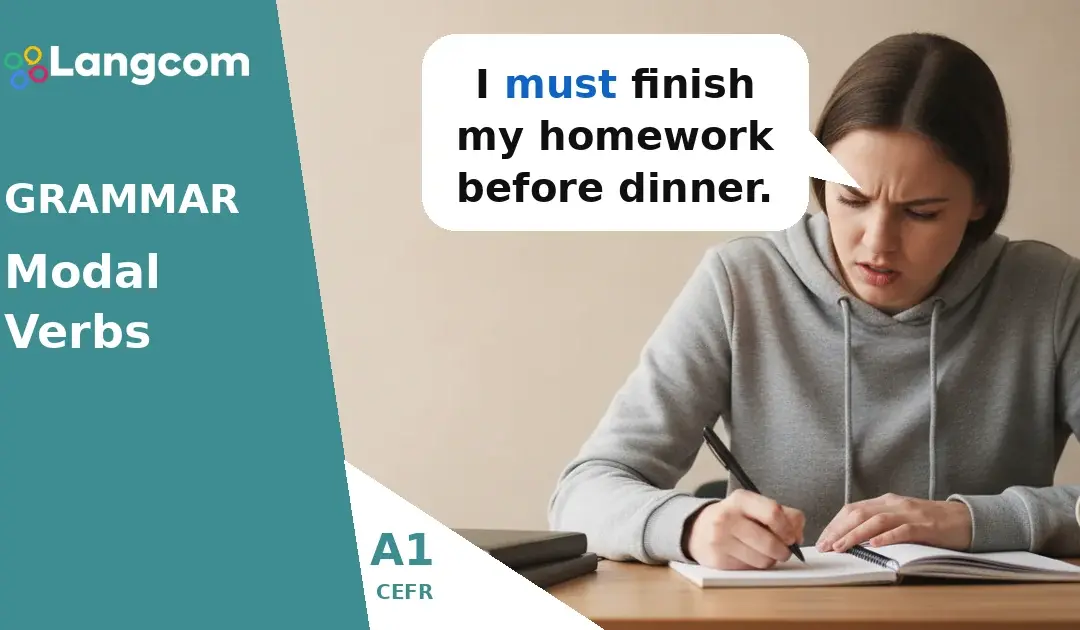
We use must to talk about things that are very important or necessary to do. It’s like saying ‘you have to do this’ or ‘it is a rule’. For example, You must listen to your teacher. This means it is a very important rule, and you have no...
by Raúl | Sep 24, 2026 | A1 Beginner English for Kids
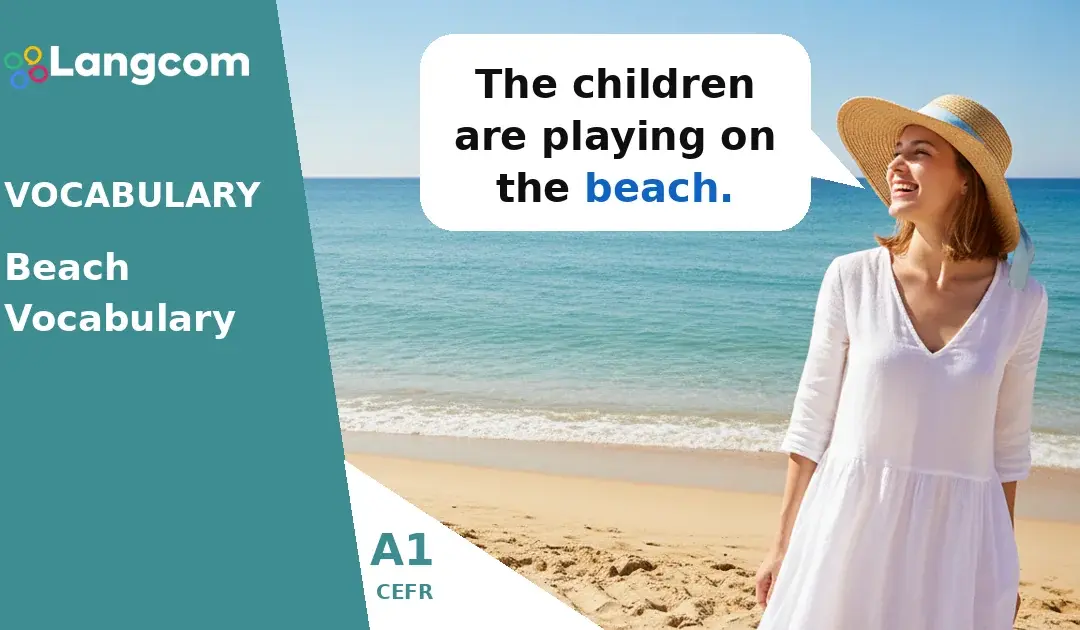
Learning essential beach vocabulary helps you describe beautiful coastal places in English. When you visit the sea, you will see many things. You will walk on the sand, feel the waves, and maybe see a flag. Understanding these words helps you talk about your holidays...
