by Raúl | Sep 19, 2026 | B2 First (FCE)
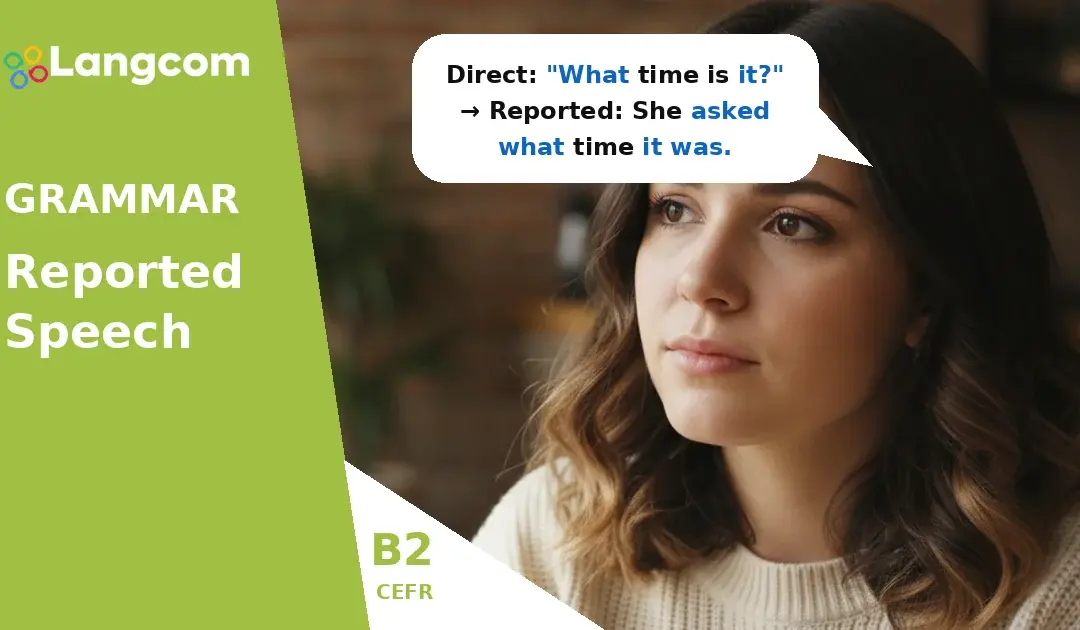
Reported questions allow us to tell someone what another person asked without using their exact words. To form them correctly, you must make three key changes: first, change the word order from a question structure to a statement structure (subject + verb); second,...
by Raúl | Sep 19, 2026 | B2 First (FCE)
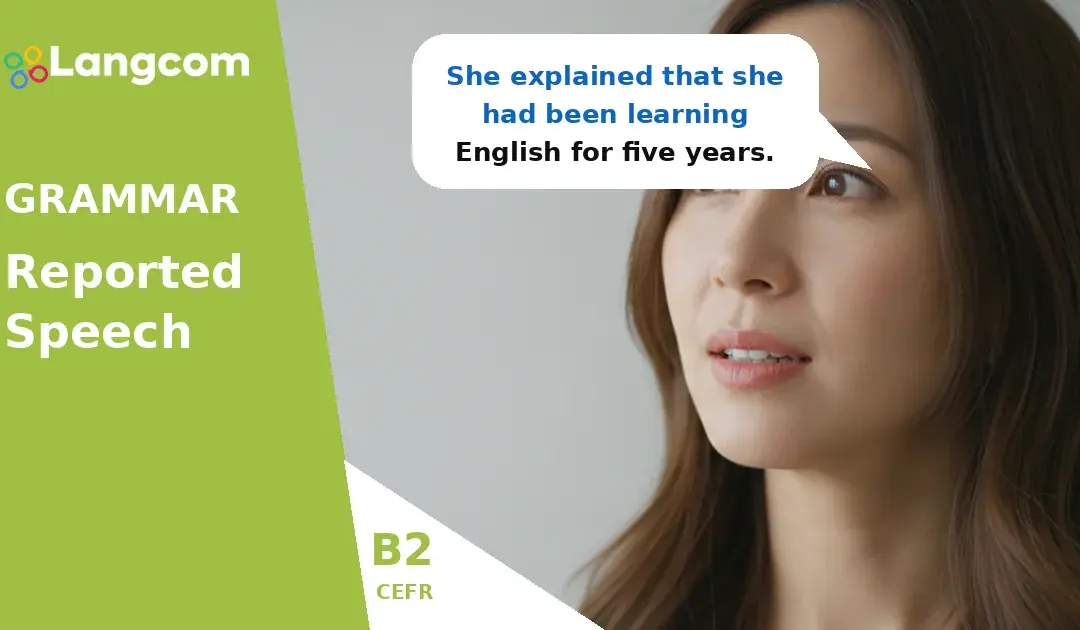
Reported speech is how we tell someone what another person said without using their exact words. The main rule is often “backshift,” where verb tenses move one step back in time. For example, “I am happy” becomes He said he was happy. This...
by Raúl | Sep 19, 2026 | B2 First (FCE)
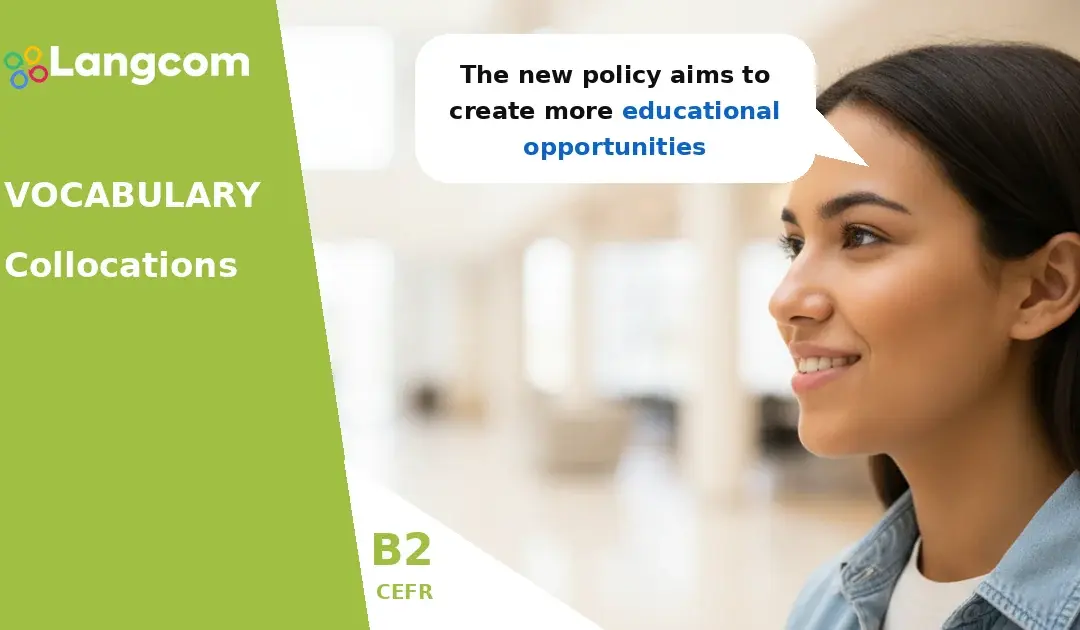
Educational describes things related to education, while educated describes a person who has received a good education. Understanding this difference is crucial for B2 English learners aiming for accuracy. These two adjectives, though similar in origin, have distinct...
by Raúl | Sep 19, 2026 | B1 Preliminary (PET)
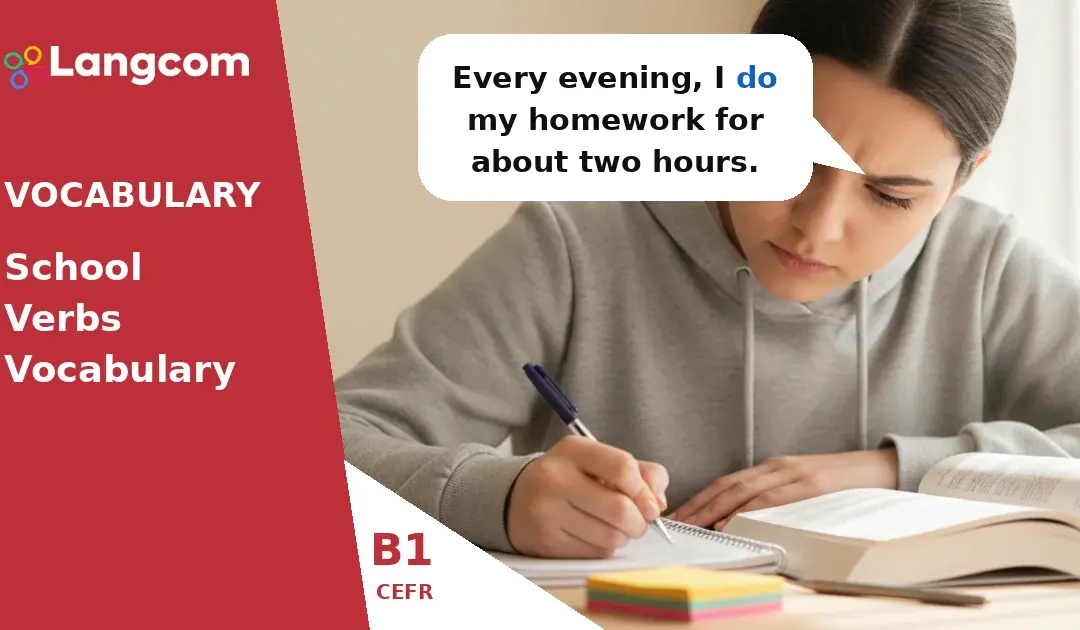
Learning common school verbs is essential for B1 English learners to talk about their daily academic life clearly and confidently. These verbs help you describe everything from starting your day to finishing tasks and interacting with classmates. Mastering phrases...
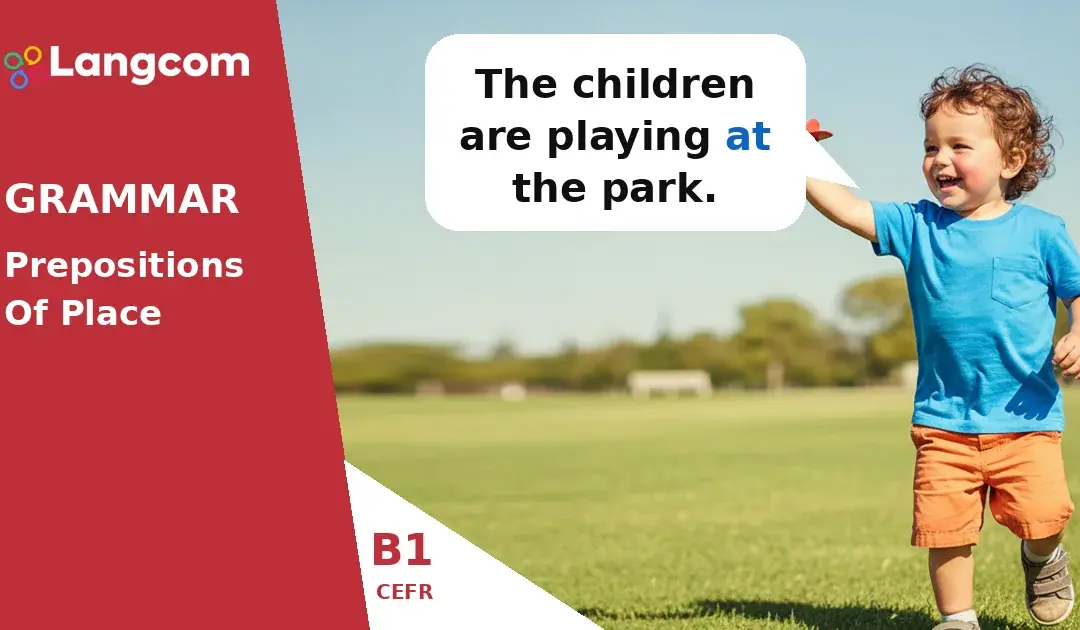
by Raúl | Sep 19, 2026 | B1 Preliminary (PET)
English prepositions of place – at, in, and on – tell us exactly where something or someone is. They are small but very important words that help us be clear about location. We use at for specific points or addresses, like at the bus stop or at home. We use in for...
by Raúl | Sep 19, 2026 | B1 Preliminary (PET)
The Present Simple and Present Continuous are two fundamental tenses in English that describe different types of actions and situations. The key is understanding when to use each one. We use the Present Simple for actions that happen regularly, facts, or permanent...
