
di Raúl | Set 26, 2026 | B1 Preliminary (PET)
Describing your holiday activities in English is easy when you know the right vocabulary! At B1 level, you can talk about many different things you do on a trip, from relaxing on the beach to exploring new cities. This vocabulary helps you share your travel...

di Raúl | Set 26, 2026 | B1 Preliminary (PET)
To talk about hobbies and free time activities in English, you often use the verbs do, play, or go, depending on the type of activity. For example, you play games like chess, go with activities ending in -ing like cycling or camping, and do for general activities or...

di Raúl | Set 26, 2026 | A1 Movers
The letter ‘s’ in English has three main sounds: /s/, /z/, and /ɪz/. Mastering these sounds is key to clear English pronunciation, especially for A1 learners. The /s/ sound is voiceless, meaning your vocal cords do not vibrate, like the sound in snake or...
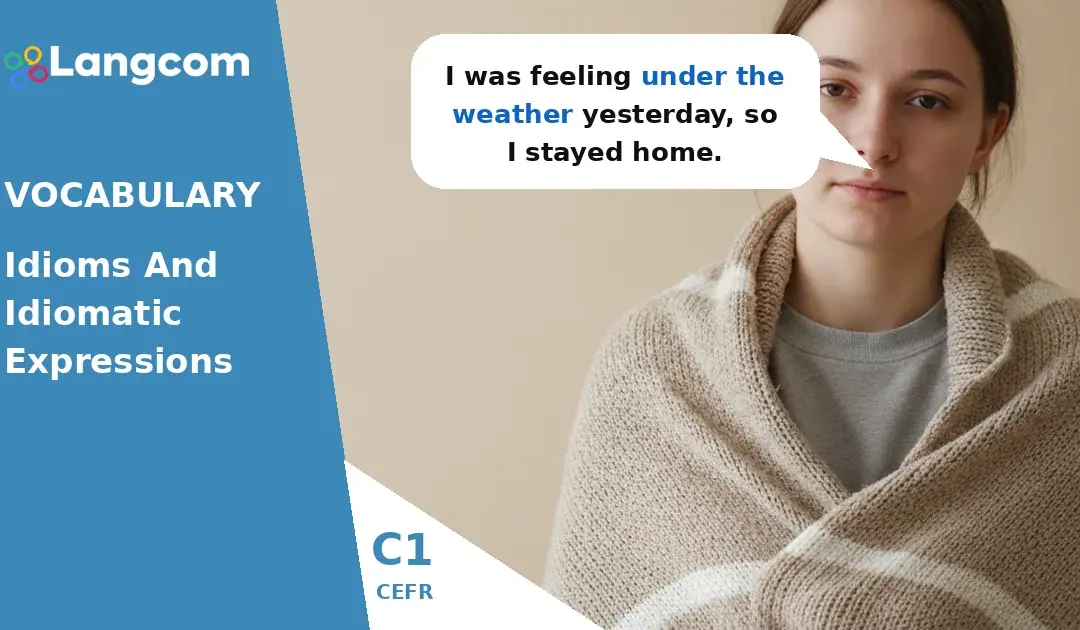
di Raúl | Set 26, 2026 | C1 Advanced (CAE)
Idioms are fixed phrases or expressions whose meaning cannot be understood from the individual words alone; they are essential for achieving a C1 Advanced level in English. For example, “kick the bucket” means “to die,” not literally to kick a...
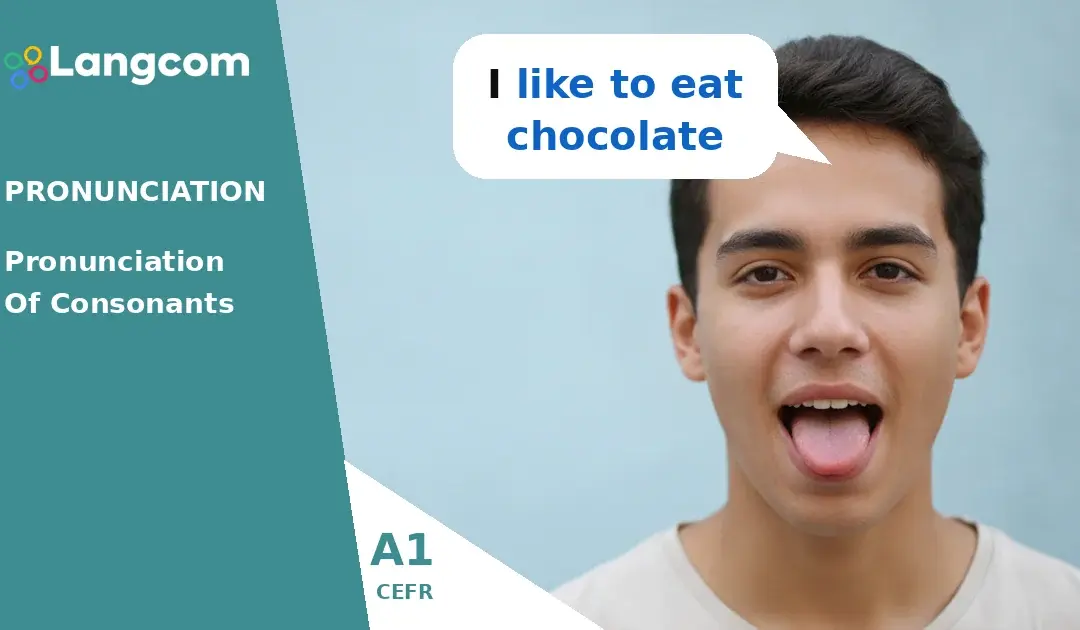
di Raúl | Set 26, 2026 | A1 Movers
The English ‘Ch’ sound is like a short, strong ‘t’ followed by a ‘sh’ sound, all in one quick movement. It is a common sound in English words, like chair or chocolate. To make this sound, first, touch the tip of your tongue to the roof of your mouth, just behind your...
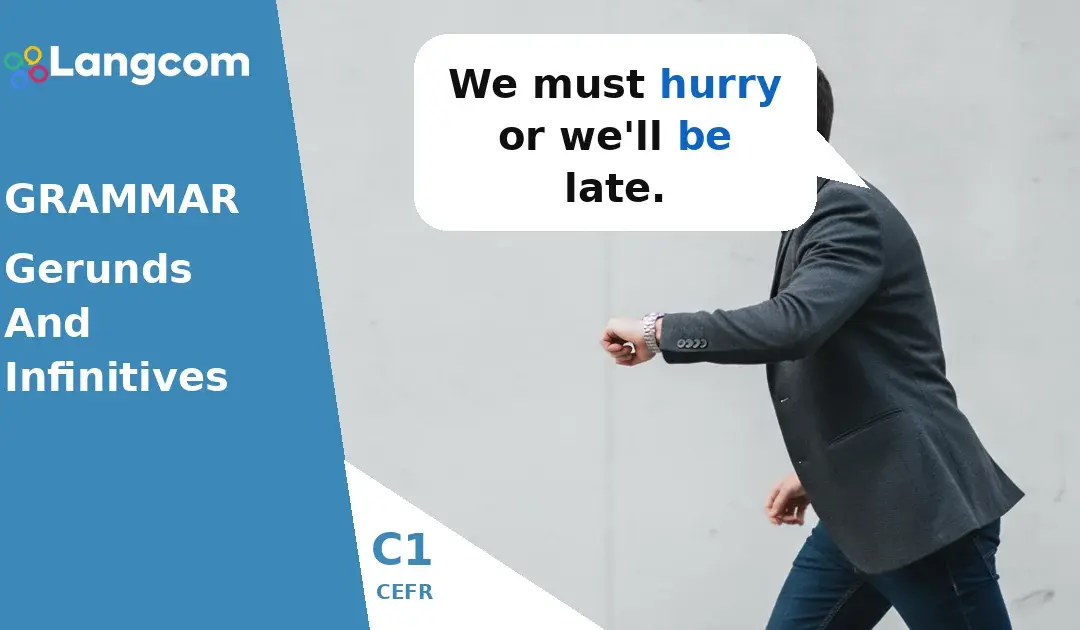
di Raúl | Set 26, 2026 | C1 Advanced (CAE)
In English, many verbs are followed by another verb, which must be in either the -ing form (a gerund) or the to-infinitive form. Choosing the correct form is crucial for C1 fluency and accuracy. Some verbs always take a gerund, like enjoy + -ing (I enjoy reading)....
