di Raúl | Set 26, 2026 | C1 Advanced (CAE)
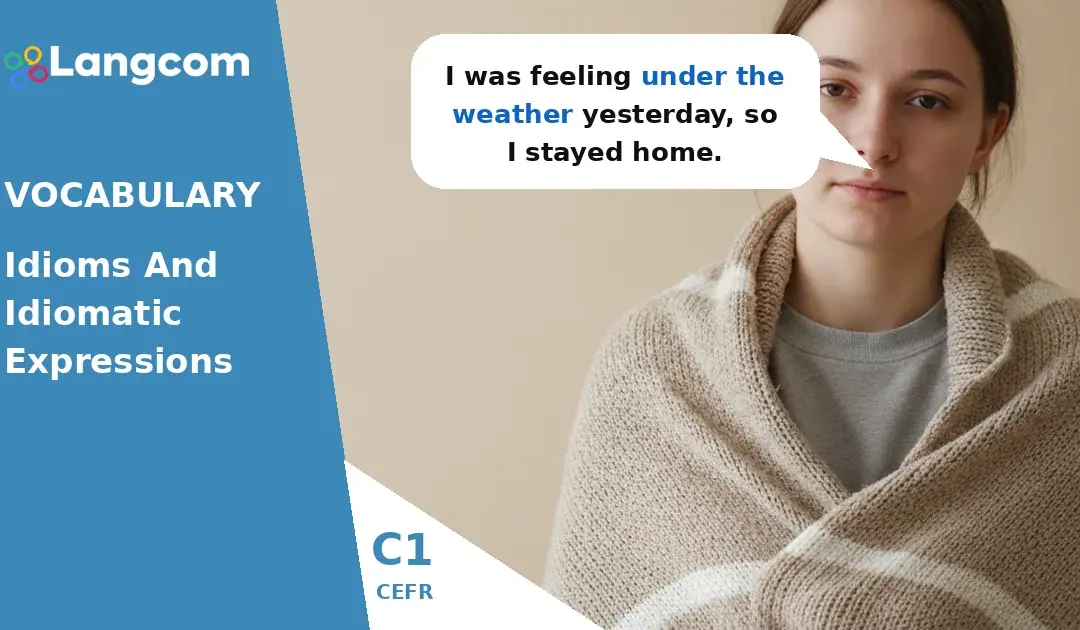
Idioms are fixed phrases or expressions whose meaning cannot be understood from the individual words alone; they are essential for achieving a C1 Advanced level in English. For example, “kick the bucket” means “to die,” not literally to kick a...
di Raúl | Set 26, 2026 | C1 Advanced (CAE)
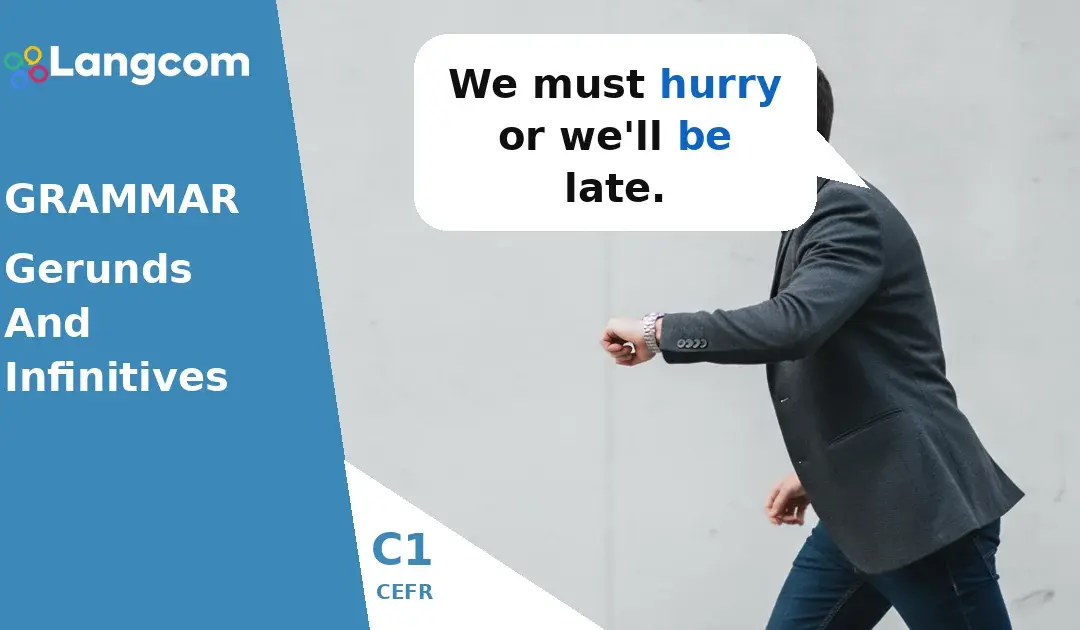
In English, many verbs are followed by another verb, which must be in either the -ing form (a gerund) or the to-infinitive form. Choosing the correct form is crucial for C1 fluency and accuracy. Some verbs always take a gerund, like enjoy + -ing (I enjoy reading)....
di Raúl | Set 26, 2026 | C1 Advanced (CAE)
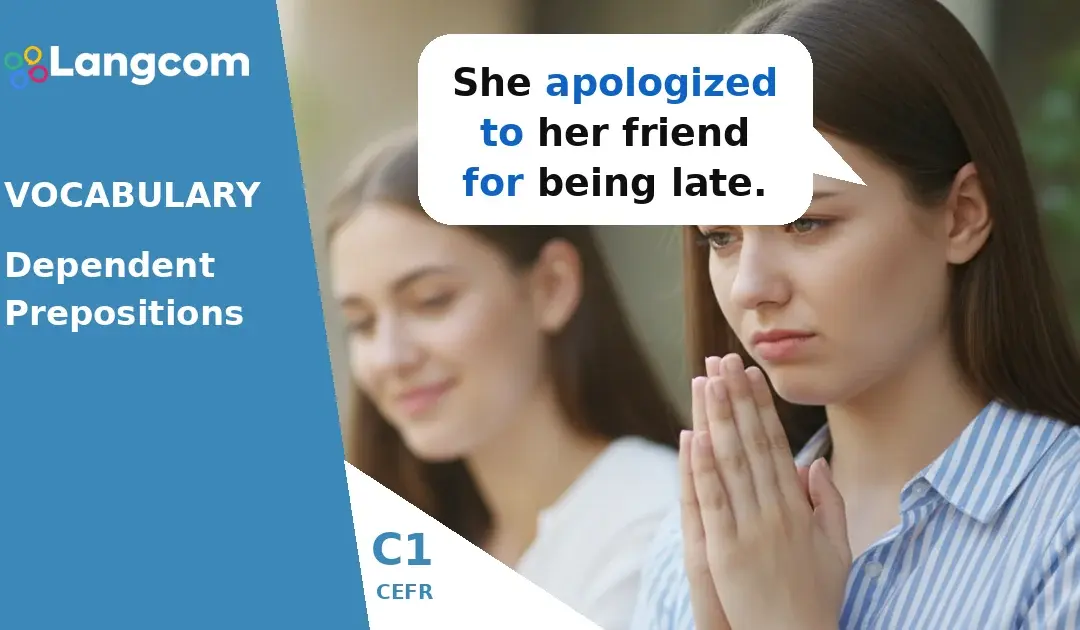
Dependent prepositions are specific prepositions that always follow certain verbs, nouns, or adjectives in English. They are essential for speaking and writing naturally at a C1 level. Unlike prepositions of place or time, dependent prepositions don’t follow...
di Raúl | Set 26, 2026 | C1 Advanced (CAE)
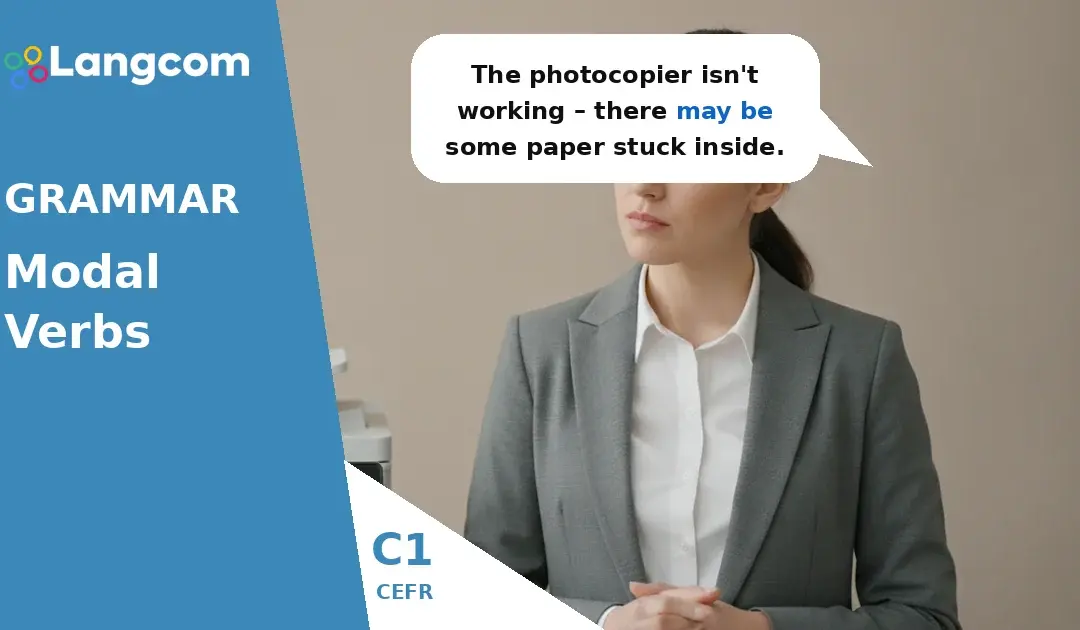
To express possibility, probability, or certainty in C1 English, you use a range of modal verbs and specific phrases that show how likely something is to be true or to happen. For general possibilities, we often use can. For specific events, may, might, and could are...

di Raúl | Set 24, 2026 | C1 Advanced (CAE)
The passive voice is a key grammatical structure in C1 English, used to shift focus from the doer of an action to the action itself or its recipient. It is formed with a form of the verb ‘be’ + the past participle of the main verb. This construction is...
di Raúl | Set 24, 2026 | C1 Advanced (CAE)
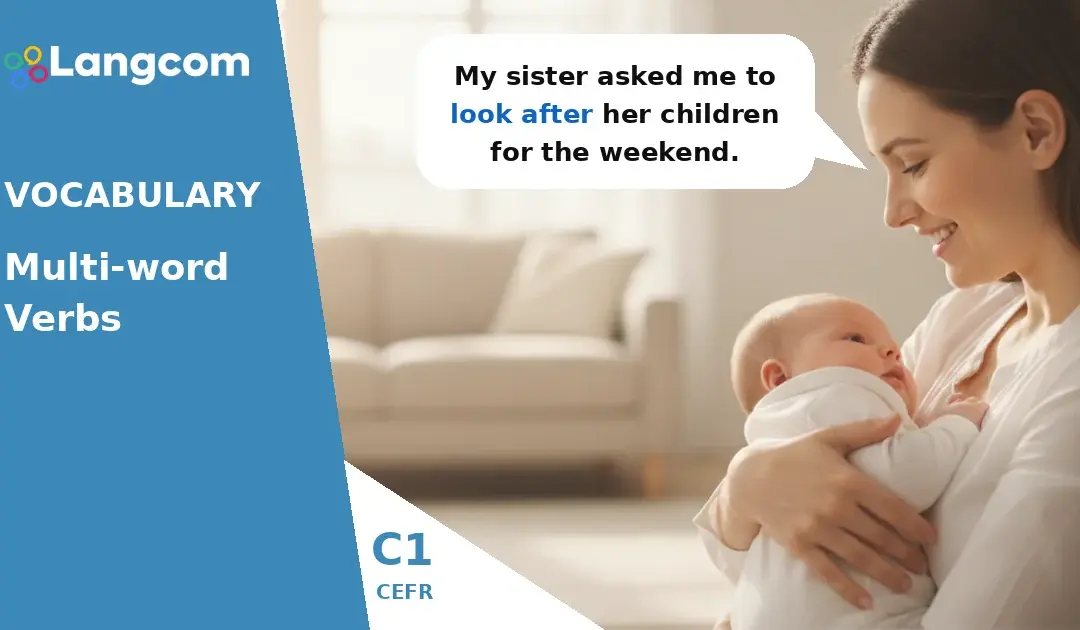
Multi-word verbs, also known as phrasal verbs, are essential for C1 English learners because they make your language sound natural and fluent. These verbs combine a main verb with a particle (a preposition or an adverb), and sometimes two particles. The meaning of a...
