di Raúl | 17 luglio 2026 | Inglese per bambini - Livello pre-A1 (principianti)
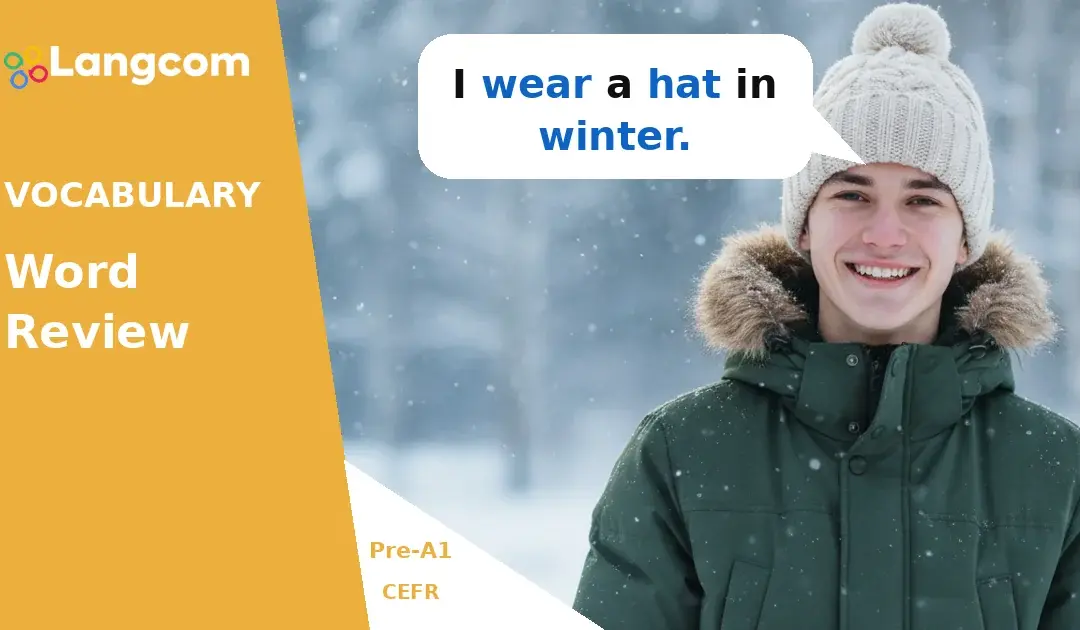
Imparare i termini inglesi relativi all'abbigliamento ti aiuta a parlare di ciò che indossi ogni giorno e a capire gli altri. Queste parole sono molto importanti per descrivere te stesso, i tuoi amici e persino le persone che vedi nelle foto. Ad esempio, puoi dire: “Indosso una camicia e dei pantaloni”, oppure “Lei...”.
di Raúl | 17 luglio 2026 | Inglese per bambini - Livello pre-A1 (principianti)
Per porre una semplice domanda a cui si risponde con “sì” o “no” in inglese, di solito si cambia l’ordine delle parole. Invece di “soggetto + verbo”, si mette il verbo o un verbo ausiliare (come do, can, have) prima del soggetto. Ad esempio, se vuoi chiedere a qualcuno se è felice,...
di Raúl | 17 luglio 2026 | A1 Inglese per principianti
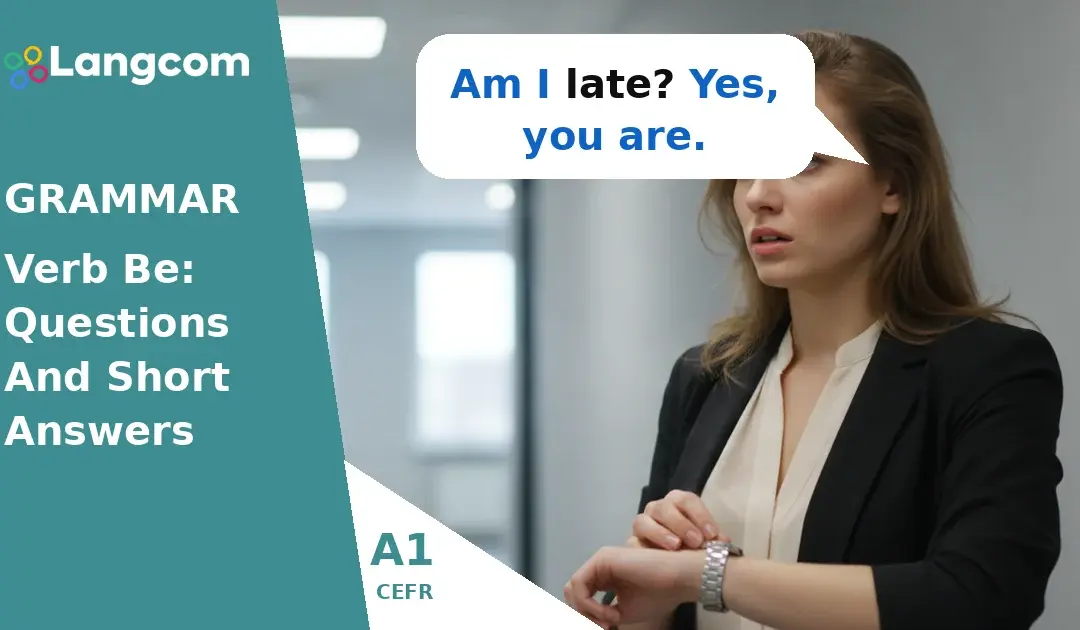
To ask a question with the verb be in English, you simply change the word order: put be before the subject. For example, instead of You are happy., you say Are you happy? This simple inversion is key for all be questions. When answering these questions, use short...
di Raúl | 17 luglio 2026 | A1 Inglese per principianti
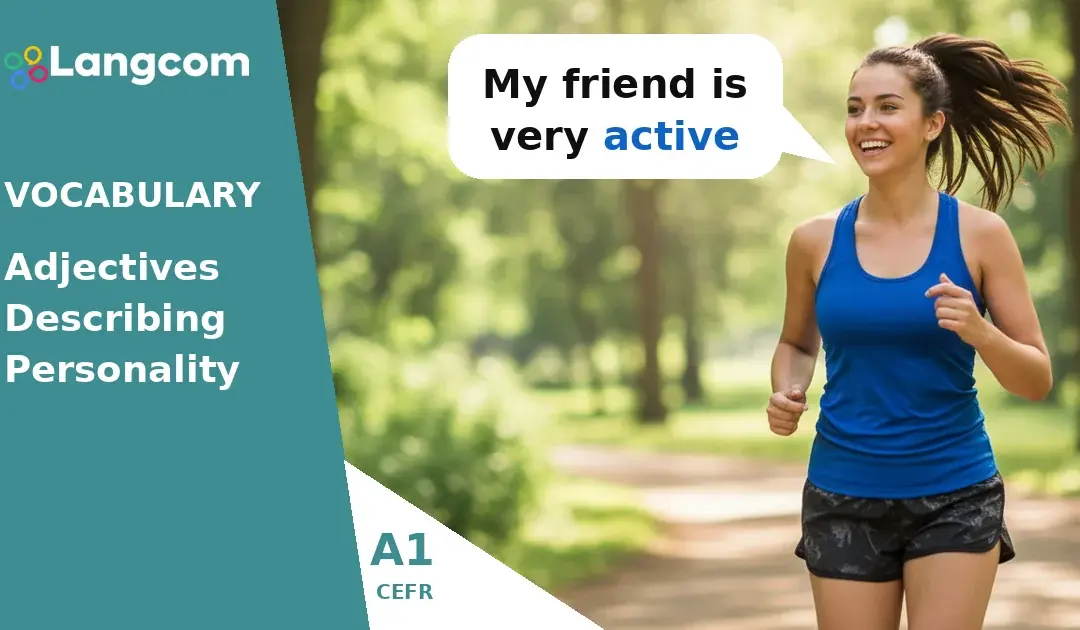
Personality adjectives help you describe how people act and feel. These words are very useful for talking about yourself, your friends, and family in English. For example, if someone likes to meet new people and go to parties, they are sociable. If someone talks a...
di Raúl | 16 luglio 2026 | A1 Inglese per principianti
The verb be is one of the most important verbs in English. It helps us talk about who we are, where we are, and what things are like. In English, be means both ‘ser’ and ‘estar’ from Spanish. It changes its form depending on the subject: am for...
