


What is the Present Simple?
Les Present Simple is a basic but very important English tense. We use it to describe actions that happen regularly or situations that are generally true.
It helps us talk about our daily lives and the world around us.
🎓 Apprenez l'anglais grâce à la méthode mixte
Petits groupes · Tuteur IA disponible 24 h/24, 7 j/7 · Préparation aux examens de Cambridge
Plans provenant de $39 $79 par mois
When Do We Use the Present Simple?
We use the Present Simple for several situations:
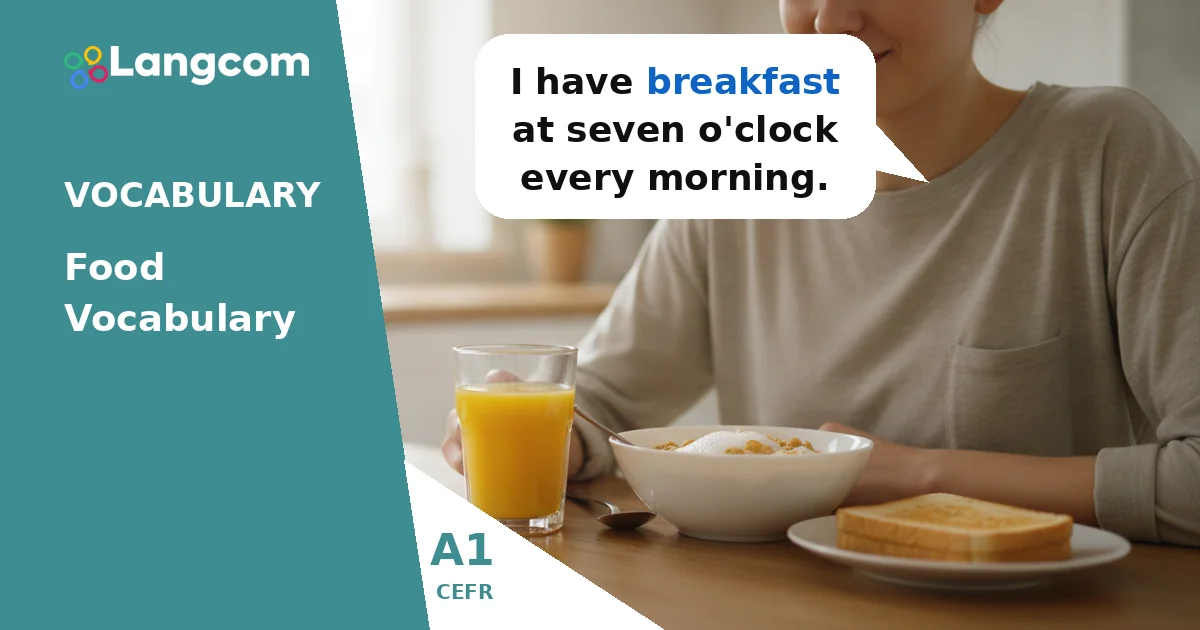
- Habits and Routines: Things you do regularly. For example, I drink coffee every morning.
- General Facts: Things that are always true. For example, Cats like milk.
- Schedules and Timetables: Fixed events. For example, The train leaves at 9 AM.
How to Make Positive Sentences (I, You, We, They)
Making a positive sentence in the Present Simple is very easy for I, you, we, et they. You just use the base form of the verb.
- Subject + Verb (base form)
Regardez ces exemples :
- I eat fruit.
- You like pizza.
- We study English.
- They live in Madrid.
How to Make Negative Sentences (I, You, We, They)
To make a negative sentence, we use do not or its short form don't before the verb.
- Subject + do not / don't + Verb (base form)
Voici quelques exemples :
- I do not eat meat. (Or I don't eat meat.)
- You do not like fish. (Or You don't like fish.)
- We do not work on Sundays. (Or We don't work on Sundays.)
- They do not speak French. (Or They don't speak French.)
Common Keywords for Present Simple
Some words often appear with the Present Simple. They help show that an action is regular or a habit.
- every day
- every week
- always
- often
- sometimes
- never
| Objet | Positive Form | Negative Form |
|---|---|---|
| I | I work. | I don't work. |
| You | You read. | You don't read. |
| We | We learn. | We don't learn. |
| They | They play. | They don't play. |
Exemples
- I play football on Saturdays.
- You listen to music in the car.
- We watch TV in the evening.
- They study at the library.
- I don't like coffee.
- You don't work on weekends.
- We don't live in a big city.
- They don't eat fast food often.
Entraînement
💬 Vous avez besoin de conseils personnalisés ?
En tant que centre de préparation agréé par Cambridge, nous pouvons vous aider à choisir la formation et la certification qui vous conviennent. Discutez-en dès aujourd'hui avec nos conseillers.
Discutez avec un conseiller sur WhatsAppErreurs courantes chez les hispanophones
Les hispanophones commettent parfois les erreurs suivantes :
- Using 'no' instead of 'don't': In Spanish, you might say 'Yo no como'. But in English, you need the auxiliary verb do.
- Incorrect : I no eat meat.
- Correct : I don't eat meat.
- Forgetting the verb 'to be' in descriptions: Remember that Present Simple is for actions or facts. If you want to describe a state or characteristic, you need to be.
- Incorrect : I happy.
- Correct : I am happy.
Questions fréquemment posées
What is the main use of the Present Simple?
The main use of the Present Simple is to talk about habits, routines, and facts that are generally true. For example, I wake up early every day.
How do I make a positive sentence with 'we'?
For we, you use the subject plus the base form of the verb. For example, We like pizza.
How do I make a negative sentence with 'they'?
For they, on utilise they + don't + base form of the verb. For example, They don't speak German.
What are some common words used with the Present Simple?
Common words include every day, always, often, sometimes, et never. They help show frequency.


0 commentaire