
par Raúl | Sep 18, 2026 | B1 Anglais intermédiaire
In English, many adjectives are always followed by a specific preposition, forming a fixed phrase. You cannot choose any preposition; you must learn the correct pair, such as afraid of or interested in. These combinations are essential for speaking and writing...
par Raúl | Sep 18, 2026 | B1 Anglais intermédiaire
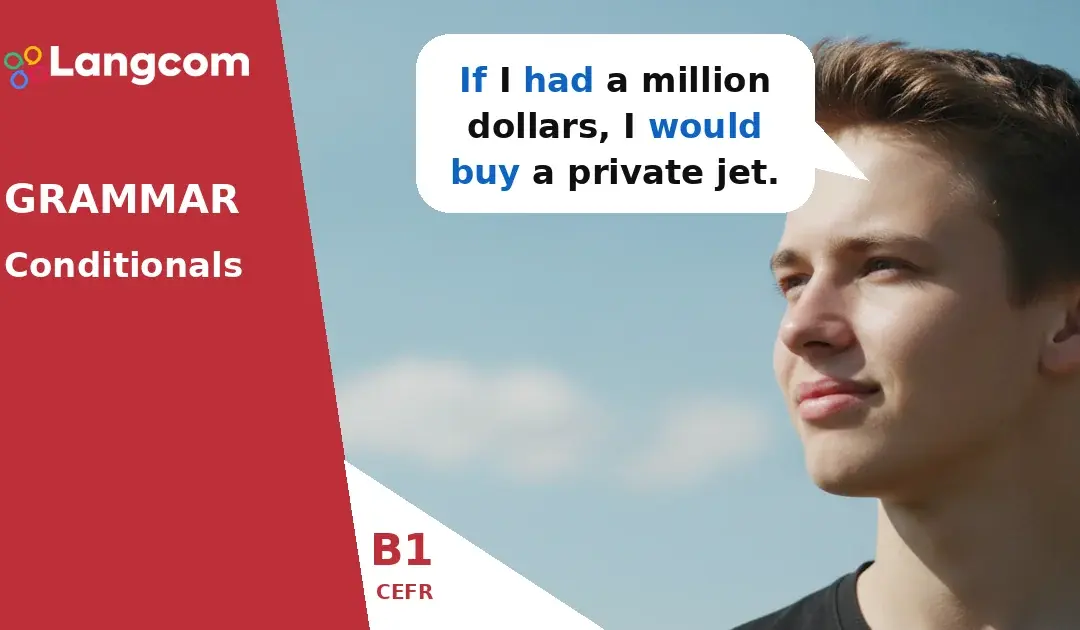
Second conditionals help you talk about imaginary or unlikely situations in the present or future, and what would happen as a result. This grammar structure is perfect for discussing dreams, hypothetical scenarios, or giving advice. For example, If I won the lottery,...
par Raúl | Sep 18, 2026 | B1 Anglais intermédiaire
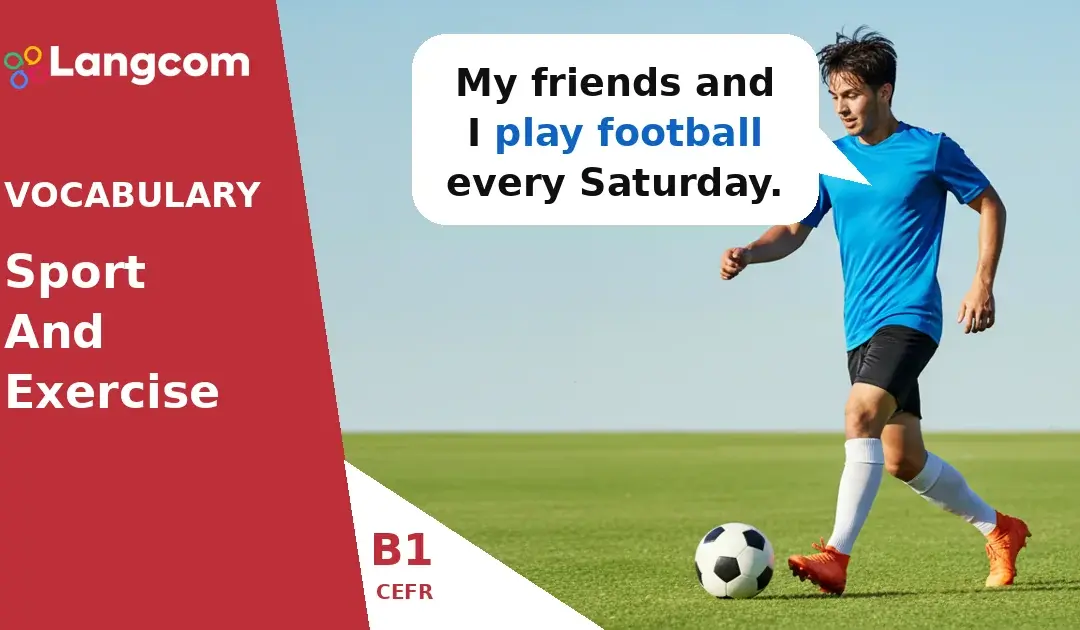
In English, we use different verbs with different types of sports: play, go, and do. You use play for team sports or sports with a ball, like I play football. We use go for activities that end in -ing, especially individual activities or those done outdoors, for...
par Raúl | Sep 18, 2026 | C1 Advanced Anglais
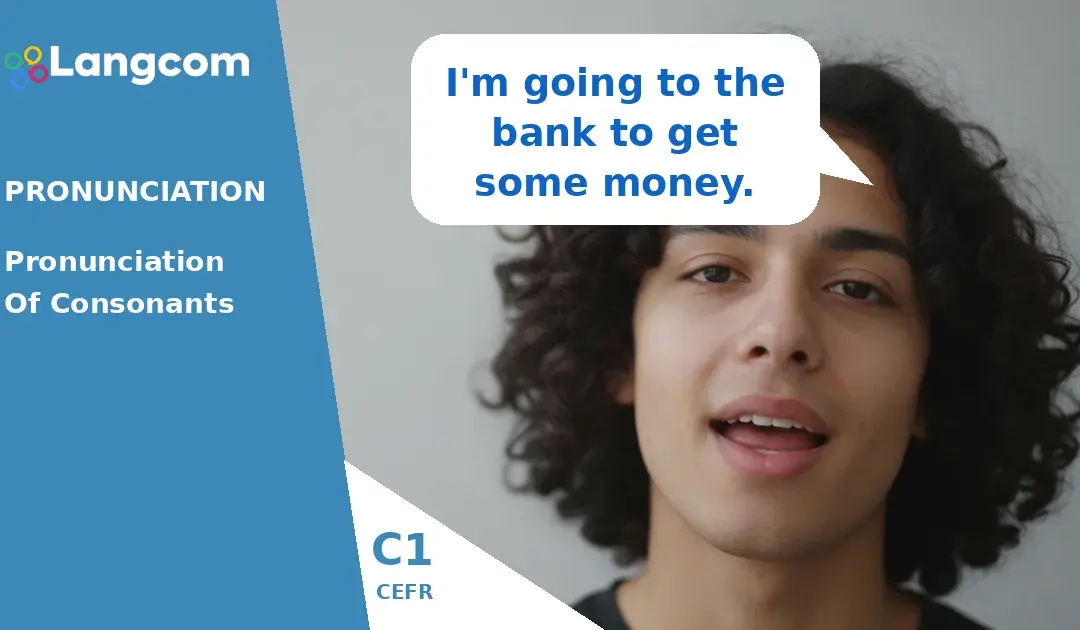
The /ŋ/ sound, often spelled ng or n before k or g, is a single, nasal consonant sound in English, produced by raising the back of your tongue to touch the soft palate at the back of your mouth. Air flows out through your nose, not your mouth, making it distinct from...

par Raúl | Sep 18, 2026 | C1 Advanced Anglais
It-constructions are advanced grammatical structures that allow you to express ideas impersonally and formally, crucial for academic and professional English. These structures use the pronoun it as a ‘dummy’ or ’empty’ subject, shifting the...
