

Why is it important to ask ‘How do you say…?’
Learning new words is a big part of learning English. Sometimes you know a word in your language but not in English.
- Asking helps you learn new vocabulary directly from a speaker.
- It also shows you are active and interested in learning.
- This question helps you keep conversations going smoothly.
🎓 Aprende inglés con el método mixto
Grupos reducidos · Tutor de IA disponible las 24 horas del día, los 7 días de la semana · Preparación para los exámenes de Cambridge
Planes de $39 $79 al mes
How do you ask for a word in English?
Use this simple phrase to ask for any word you don’t know:
- How do you say [word in your language] in English?
Replace [word in your language] with the word you want to know.
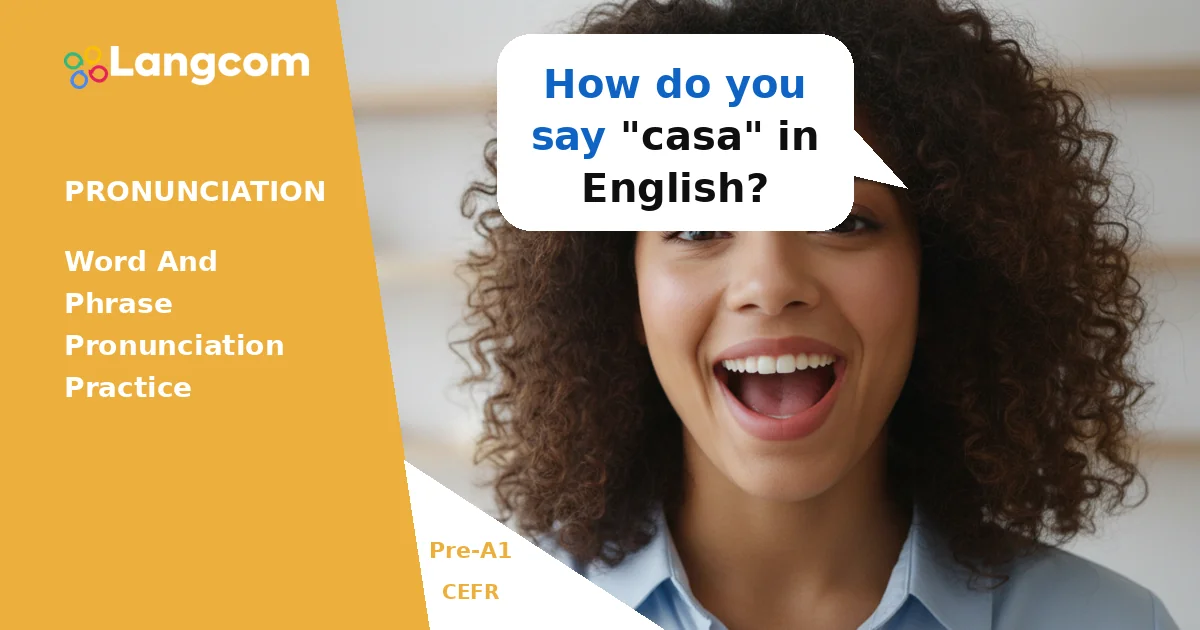
- How do you say “casa” in English?
- How do you say “gracias” in English?
- How do you say “padre” in English?
How do you answer ‘How do you say…?’
When someone asks you this question, you can give a simple and direct answer:
- It’s [English word].
Replace [English word] with the correct English translation.
- It’s “house.”
- It’s “thank you.”
- It’s “father.”
Can you ask about phrases too?
Yes, you can use the same question to ask about short phrases, not just single words.
- How do you say “buenos días” in English?
- It’s “good morning.”
- How do you say “por favor” in English?
- It’s “please.”
Ejemplos
- How do you say “casa” in English?
- How do you say “gracias” in English?
- How do you say “padre” in English?
- It’s “house.”
- It’s “thank you.”
- It’s “father.”
- How do you say “buenos días” in English?
- It’s “good morning.”
- How do you say “por favor” in English?
- It’s “please.”
Práctica
✍️ ¿No sabes en qué nivel estás?
Realiza nuestra prueba de nivel gratuita y recibe comentarios personalizados de examinadores certificados por Cambridge.
Realice nuestra prueba de nivel GRATUITAErrores habituales de los hispanohablantes
Spanish speakers sometimes make these mistakes:
- Direct translation of “How is said?”
- Incorrecto: How is said “casa” in English?
- Correcto: How do you say “casa” in English?
- Explanation: English uses “do you say” for this question, not a passive structure like “is said.”
- Missing “do you say” or “in English”
- Incorrecto: How “casa”? (This is too short and unclear.)
- Incorrecto: What is “casa” in English? (This is understandable but less natural for asking *how to say* something.)
- Correcto: How do you say “casa” in English?
- Explanation: Always include “do you say” and “in English” for clarity and natural speech.
Preguntas más frecuentes
What if I don’t know the word in my language?
If you don’t know the word in your language, you can try to describe it. For example, you could ask: What is the word for the place where we live? o What do you call the person who is your father?
Can I use other verbs instead of “say”?
For asking how to express a word, say is the most common and natural verb. You might hear How do you pronounce…? for pronunciation specifically, but say works for both meaning and pronunciation.
Is this phrase formal or informal?
The phrase How do you say…? is neutral. You can use it in both formal and informal situations. It is always polite and appropriate.
What is the most important part of this lesson?
The most important part is to remember and use the full phrase: How do you say [your word] in English? and the simple answer: It’s [English word]. These are your key tools for learning new vocabulary and communicating effectively.


0 Comentarios