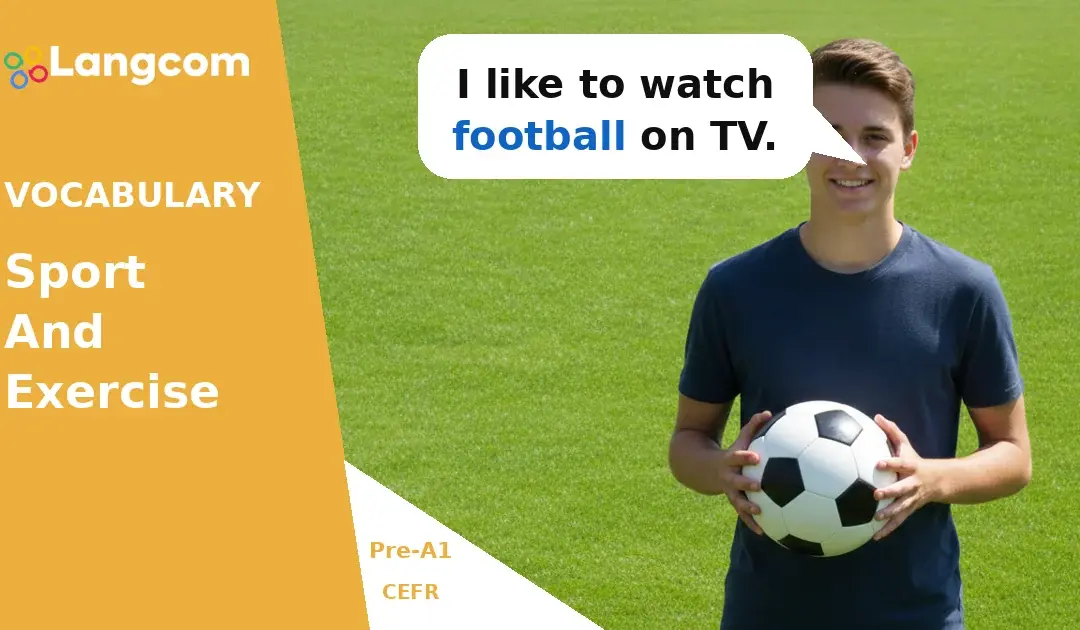
por Raúl | 4 de agosto de 2026 | Inglés para niños: nivel pre-A1 (principiantes)
Learning basic sports vocabulary helps you talk about your hobbies and what you like to do in English. Many sports words are easy to understand, and you can use them with simple verbs like play or go. For example, you play football or go swimming. Knowing these words...
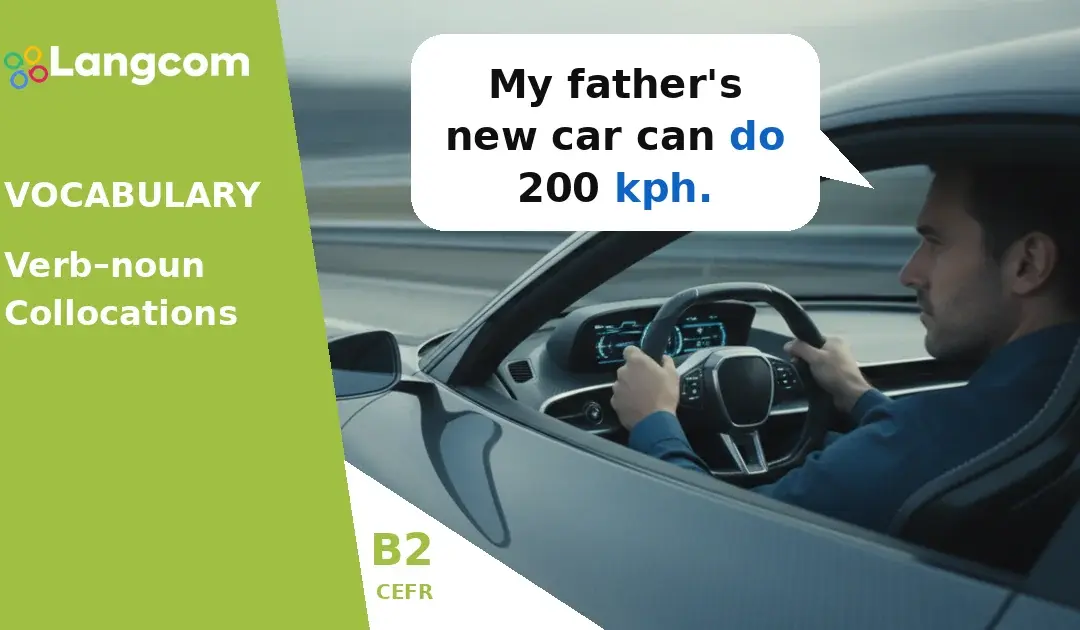
por Raúl | 4 de agosto de 2026 | B2 First (FCE)
Verb-noun collocations are natural partnerships between a verb and a noun that native English speakers commonly use. They are not just any combination of words; they are specific pairs that sound ‘right’ together. For example, we say make a decision, not...
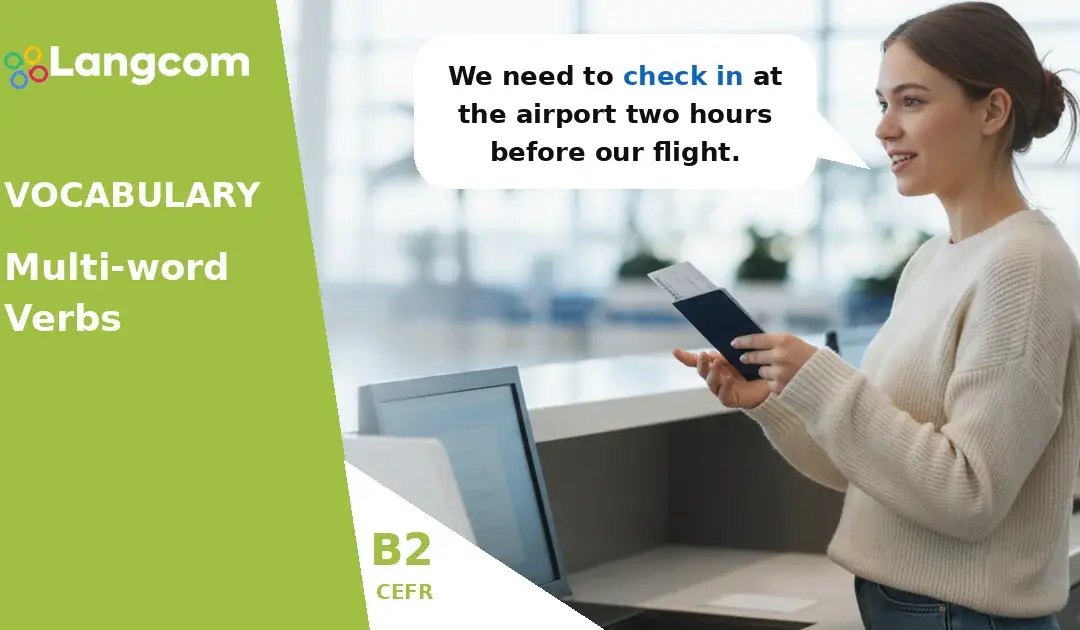
por Raúl | 4 de agosto de 2026 | B2 First (FCE)
Multi-word verbs, also known as phrasal verbs, are essential for describing travel in English, especially at B2 level. These verbs combine a main verb with a preposition or an adverb, creating a new meaning that is often different from the individual words. For...
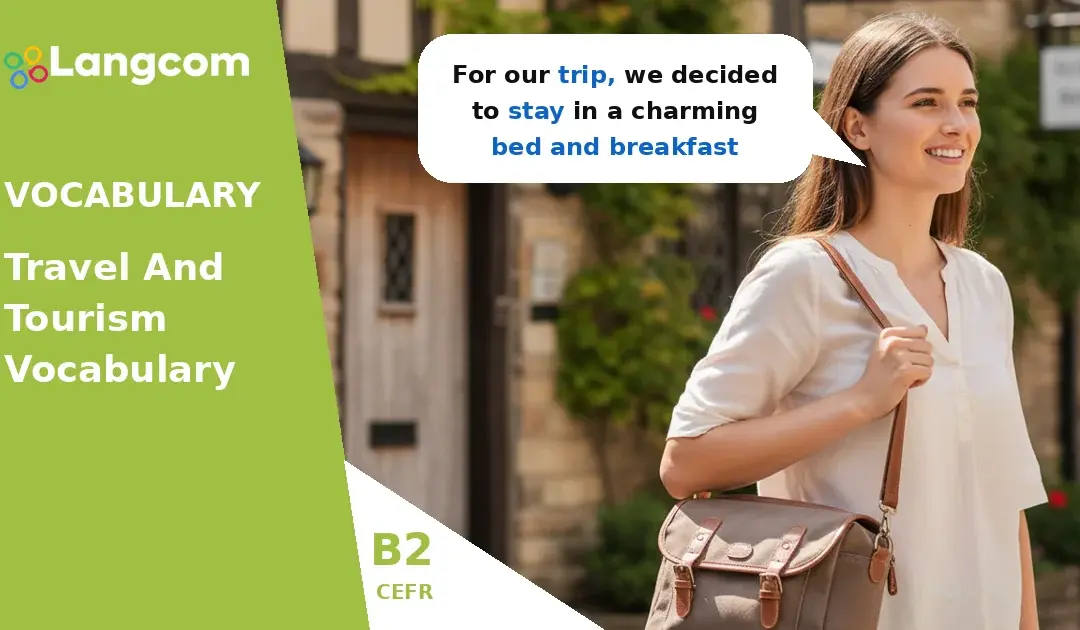
por Raúl | 4 de agosto de 2026 | B2 First (FCE)
Precise vocabulary is key for describing travel experiences accurately in English. At B2 level, it’s important to move beyond general words and use specific terms for different aspects of your holidays. For instance, hostel, bed and breakfast, and campsite are...
por Raúl | 4 de agosto de 2026 | B2 First (FCE)
To express strong opinions about experiences, films, or books in English, use powerful adjectives like amazing, awesome, interesting for positive feelings, and boring, horrible, terrible for negative ones. These B2-level words help you go beyond simple...

por Raúl | 4 de agosto de 2026 | B2 First (FCE)
The Present Simple describes permanent situations, facts, and regular habits, while the Present Continuous focuses on temporary actions happening now, around now, or in the near future. Understanding these two tenses is fundamental for B2 English learners. The Present...
