
por Raúl | 10 de septiembre de 2026 | Pre A1 Starters
Learning basic English words for clothes helps you describe what you wear and what others wear every day. These words are important for simple conversations and understanding descriptions. You will learn common items like trousers, skirt, jacket, and T-shirt. Knowing...

por Raúl | 10 de septiembre de 2026 | B2 Inglés intermedio alto
Mastering English question forms is essential for B2 learners to communicate clearly and effectively in various situations. Correctly forming questions allows you to gather information, express opinions, and engage in natural conversations. At this level, you will...
por Raúl | 10 de septiembre de 2026 | B2 Inglés intermedio alto
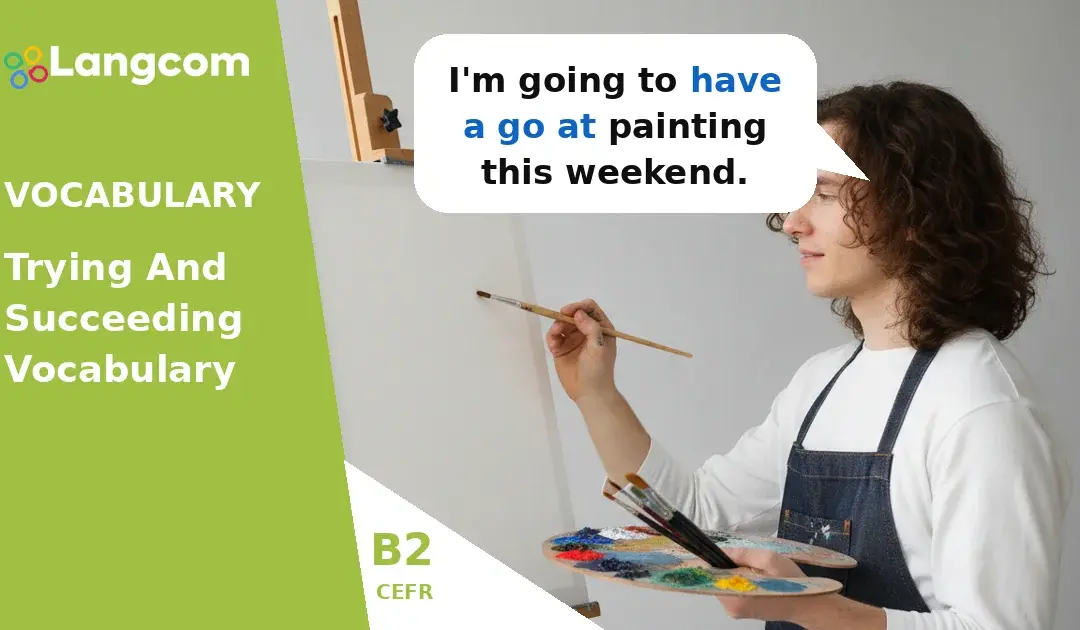
To express the actions of trying, making an effort, and achieving results in English, B2 learners need a range of specific vocabulary, including phrasal verbs and idiomatic expressions. These words and phrases help you describe the entire process, from starting an...
por Raúl | 10 de septiembre de 2026 | B2 Inglés intermedio alto
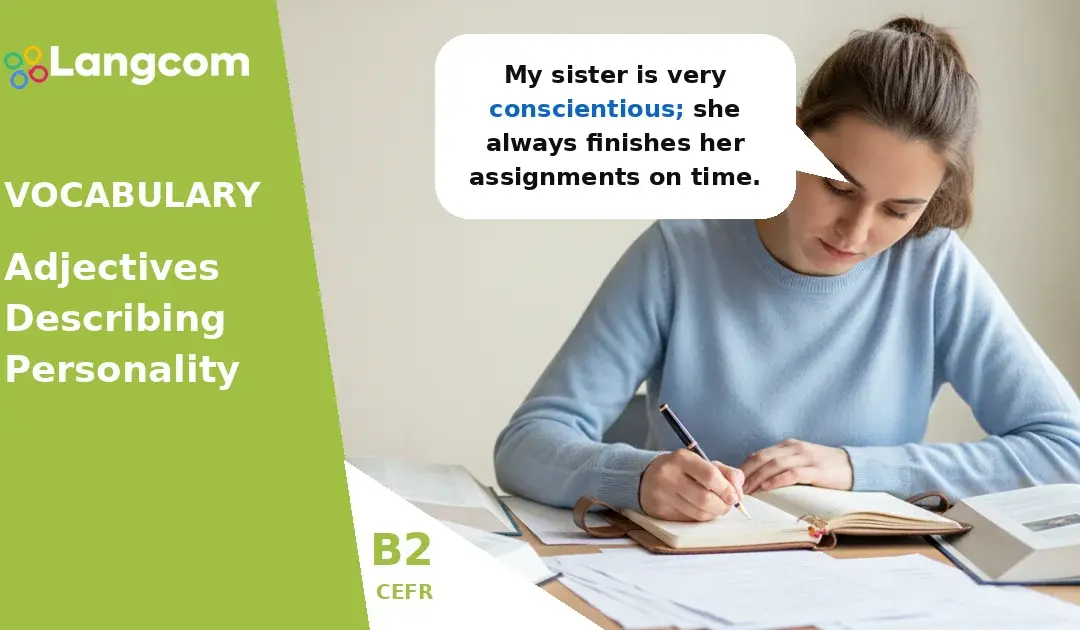
To describe personality precisely at a B2 English level, you need a rich vocabulary of character adjectives that go beyond basic terms. These adjectives allow you to express subtle nuances about people’s traits, making your communication more sophisticated and...

por Raúl | 10 de septiembre de 2026 | B1 Inglés Intermedio
The First Conditional helps you talk about real possibilities in the future. We use it to describe situations that are likely to happen if a certain condition is met. For example, If it rains, I will stay home. This sentence means that if the rain happens (a real...

por Raúl | 10 de septiembre de 2026 | B1 Inglés Intermedio
Learning collocations is key to sounding natural in English, especially when talking about education. Collocations are words that often go together, like take notes, not “make notes.” For B1 learners, mastering these common phrases about studying, exams,...
