por Raúl | 16 de julio de 2026 | Inglés para niños: nivel pre-A1 (principiantes)
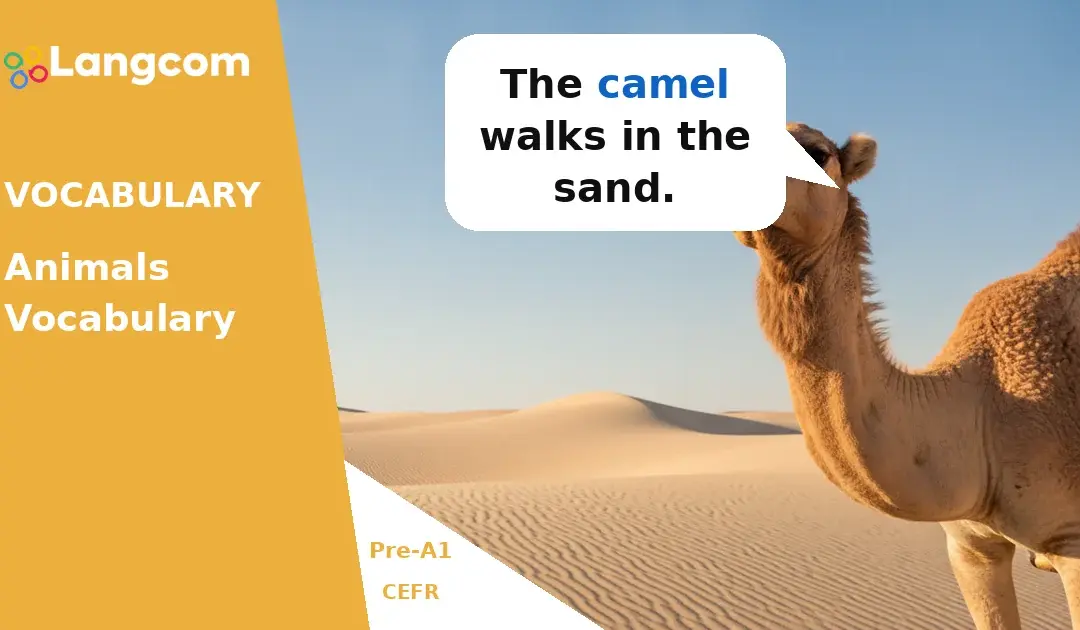
Learning the names of animals is a great first step to building your English vocabulary. Knowing these words helps you talk about the world around you, describe pictures, and understand simple stories. This lesson introduces eight common animal names: bee, spider,...

por Raúl | 16 de julio de 2026 | Inglés para niños: nivel pre-A1 (principiantes)
Prepositions of place tell you *where* something is located. We use words like in, on, under, and next to to describe the position of people or objects. For example, if your book is inside your bag, you say The book is in the bag. If it’s on top of the table,...
por Raúl | 16 de julio de 2026 | Inglés para niños: nivel pre-A1 (principiantes)
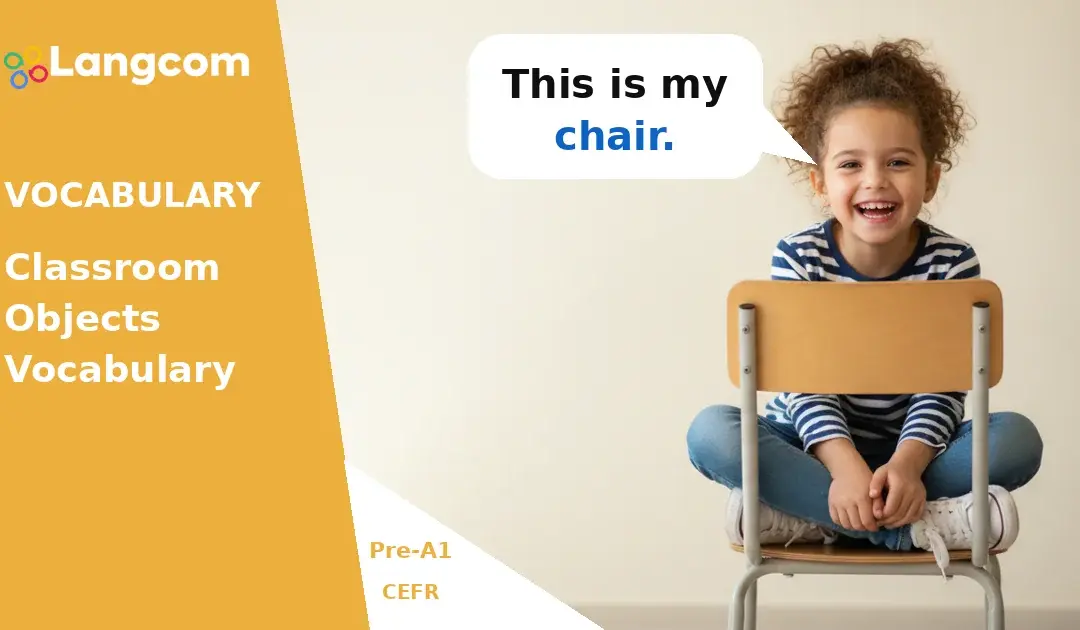
Learning the names of classroom objects in English is a fantastic first step for Pre-A1 learners. These words help you talk about your learning environment every day. You will learn essential vocabulary like desk, chair, window, door, and light. Knowing these basic...

por Raúl | 16 de julio de 2026 | Inglés para niños: nivel pre-A1 (principiantes)
Learning basic English words for family members helps you talk about the people you love. You can introduce your mum and dad, or talk about your brother and sister. These words are very common and important for daily conversations. We also learn words for...

por Raúl | 16 de julio de 2026 | A2 Inglés básico
Para formular preguntas sobre acciones realizadas en el pasado, hay que utilizar el verbo auxiliar «did». Esta es la regla más importante para las preguntas en pasado simple en inglés. Se utiliza «did» con todos los sujetos (I, you, he, she, it, we, they). Después de «did» y del sujeto, el verbo principal siempre...
por Raúl | 16 de julio de 2026 | A2 Inglés básico
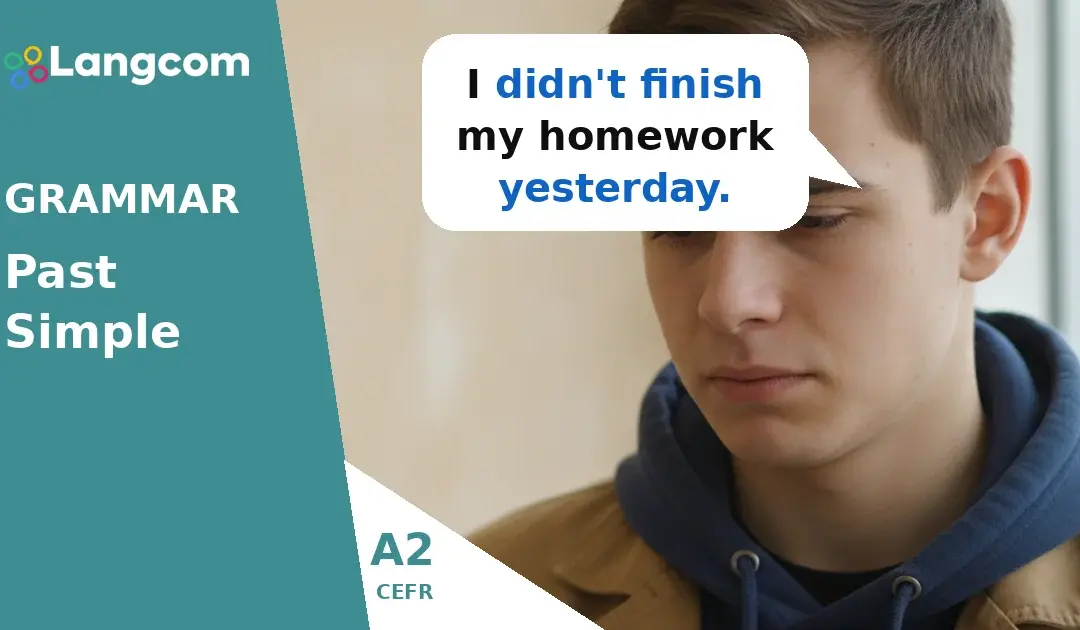
Para formar una oración negativa en el pasado simple, se utiliza el verbo auxiliar «did» junto con «not», seguido de la forma básica del verbo principal. Esto significa que el verbo principal no cambia de forma. La forma más habitual de expresarlo es utilizando la contracción «didn’t». Por ejemplo,...
