por Raúl | Sep 24, 2026 | A1: Inglés para niños principiantes
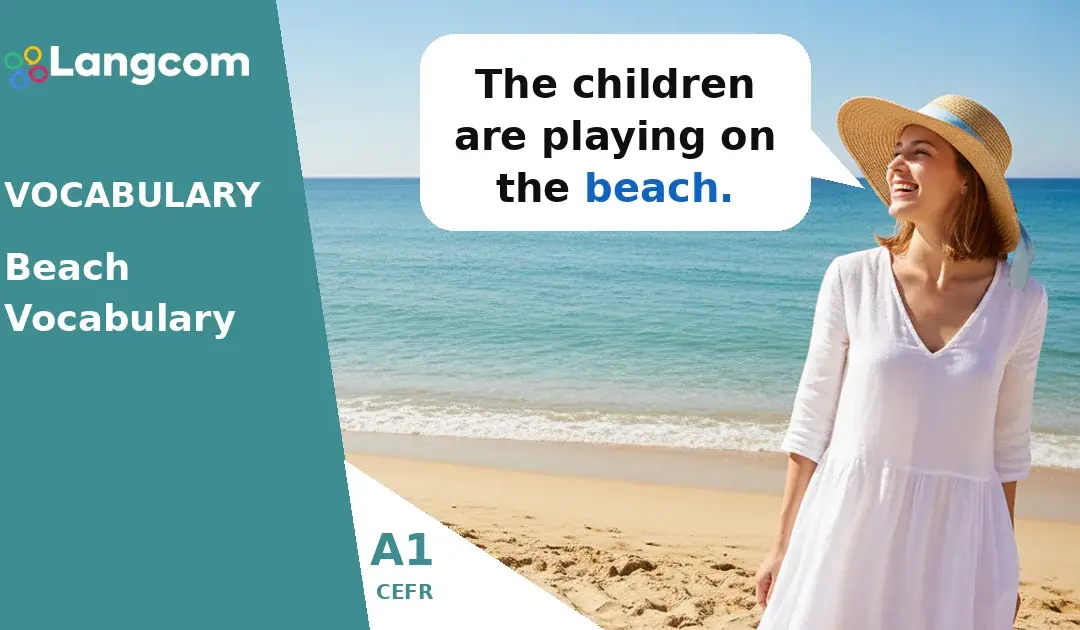
Learning essential beach vocabulary helps you describe beautiful coastal places in English. When you visit the sea, you will see many things. You will walk on the sand, feel the waves, and maybe see a flag. Understanding these words helps you talk about your holidays...

por Raúl | Sep 24, 2026 | A1: Inglés para niños principiantes
The Present Perfect tense describes actions that started in the past and continue now, or past actions with a result in the present. We use for to talk about the *duration* of an action, answering ‘how long?’. For example, I have studied English for two...
por Raúl | Sep 24, 2026 | A1: Inglés para niños principiantes
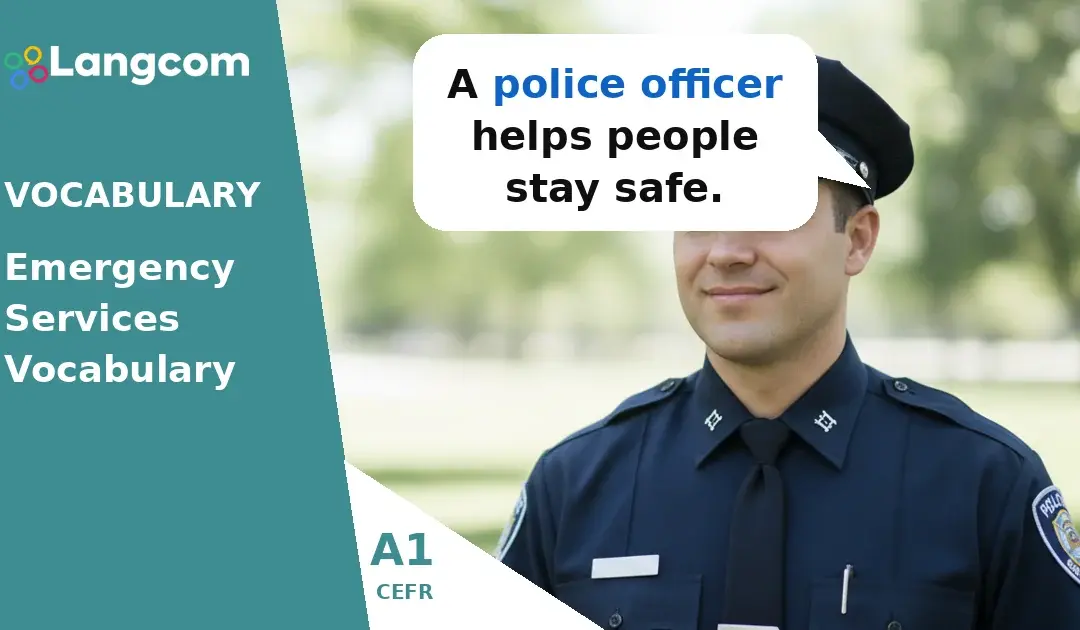
Knowing basic English vocabulary for emergency services is very important for your safety. In an emergency, you need to ask for help quickly and clearly. Learning words like police officer, firefighter, and ambulance officer can help you communicate when you need it...
por Raúl | Sep 24, 2026 | A1: Inglés para niños principiantes
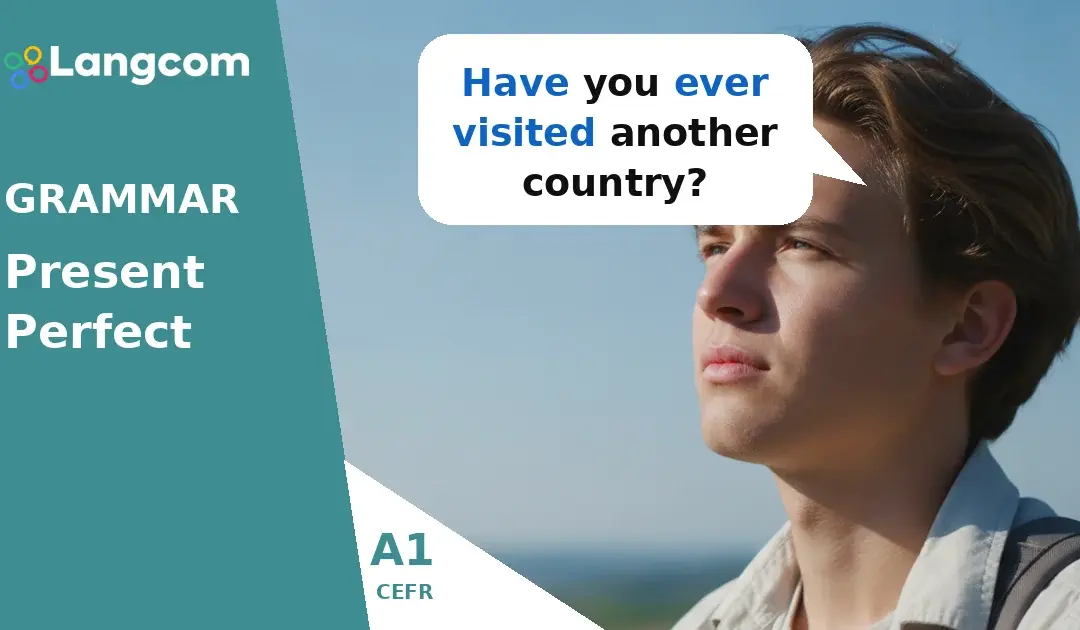
The Present Perfect talks about experiences in your life up to now, without a specific time. The Past Simple talks about finished actions at a specific time in the past. Think of the Present Perfect as asking, “Has this ever happened to you?” or “How...

por Raúl | Sep 24, 2026 | A1: Inglés para niños principiantes
We use the present perfect with ever and never to talk about experiences in our lives, from birth until now. This grammar helps us ask about and share things we have (or haven’t) done. We use ever in questions to ask if someone has had an experience at any time...

por Raúl | Sep 24, 2026 | A1: Inglés para niños principiantes
Learning vocabulary about fan clubs helps you talk about your favorite music, movies, or sports in English. A fan club is a group of people who really like a famous person, band, or team. They often share their interest and support their idols. Knowing these words...
