
por Raúl | 4 de agosto de 2026 | B1 Inglés Intermedio
In B1 English, we use both the Present Continuous and be going to to talk about the future, but they have slightly different uses. We use the Present Continuous for fixed arrangements – things you have already planned, agreed, and often booked with other people. Think...

por Raúl | 4 de agosto de 2026 | B1 Inglés Intermedio
To talk about clothes in English, it’s important to understand the difference between wear and dress. While both relate to clothing, they are used in distinct ways. Wear describes the state of having clothes on your body, like She is wearing a beautiful dress....
por Raúl | 4 de agosto de 2026 | B1 Inglés Intermedio
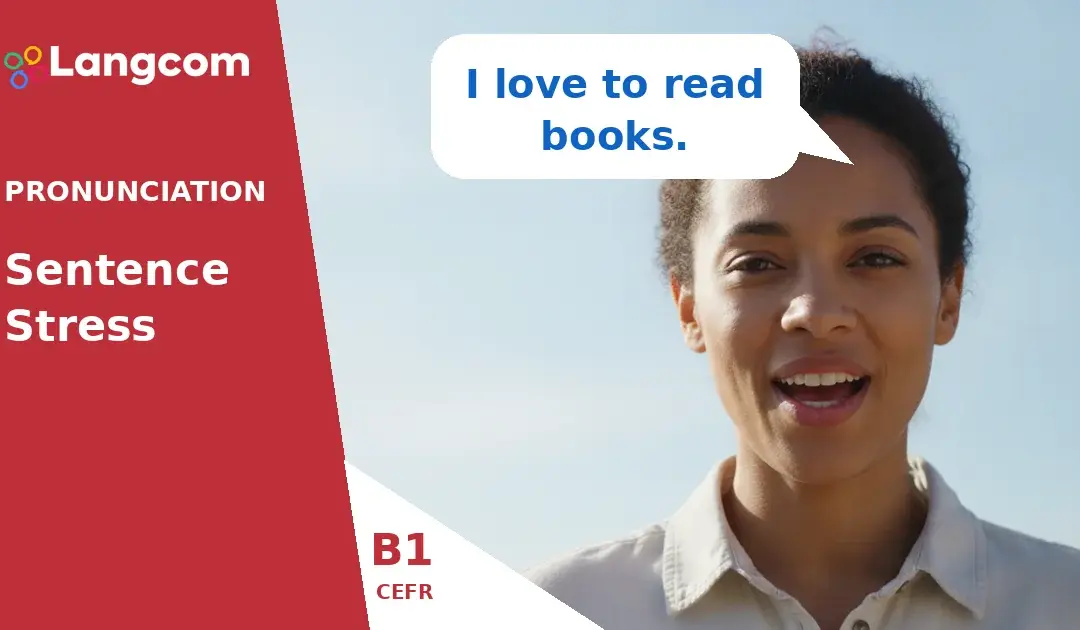
Sentence stress is about which words we emphasize in a sentence to make our English sound natural and clear. In English, we don’t stress every word equally. Instead, we stress important words (content words) and say less important words (function words) more...

por Raúl | 4 de agosto de 2026 | B1 Inglés Intermedio
The Present Perfect tense with just, already, and yet helps you talk about actions connected to the present moment. We use just for very recent actions, like I have just finished my work. Already describes actions completed sooner than expected, for example, They have...

por Raúl | 3 de agosto de 2026 | B1 Inglés Intermedio
The main difference between lend and borrow is the direction of the money. When you lend money, you *give* it to someone for a short time, expecting it back. For example, I can lend you £10 if you need it. The person who lends is the giver. When you borrow money, you...

por Raúl | 3 de agosto de 2026 | Inglés para principiantes (nivel A1)
Sentence stress is when you say certain words in a sentence louder and longer than others. This makes your English sound more natural and helps people understand your message clearly. In English, we usually stress the “important” words, which are called...
