
por Raúl | Sep 6, 2026 | Inglés para principiantes (nivel A1)
Adjectives are words that describe nouns. They tell us more about people, places, or things. For example, if you say “house,” an adjective can tell you what kind of house it is, like “a big house” or “an old house.” In English, adjectives usually come *before* the...
por Raúl | Sep 6, 2026 | C1 Advanced Español
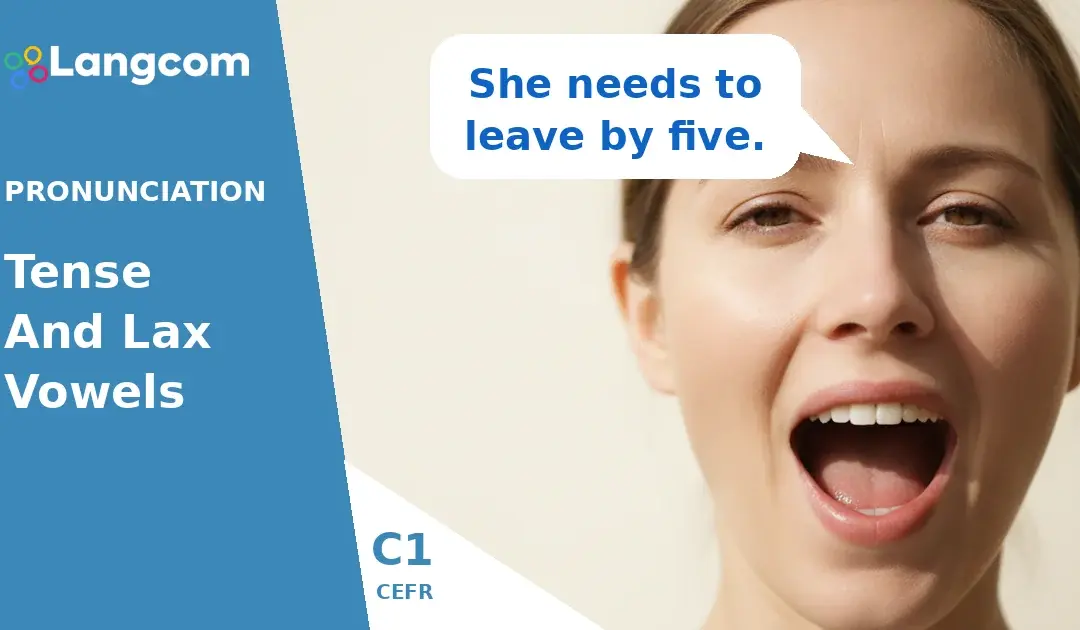
Mastering the distinction between tense and lax vowels is a key step for C1 English learners to achieve native-like pronunciation and improve listening comprehension. Tense vowels, often called ‘long’ vowels, are produced with more muscular effort, a more...
por Raúl | Sep 6, 2026 | C1 Advanced Español
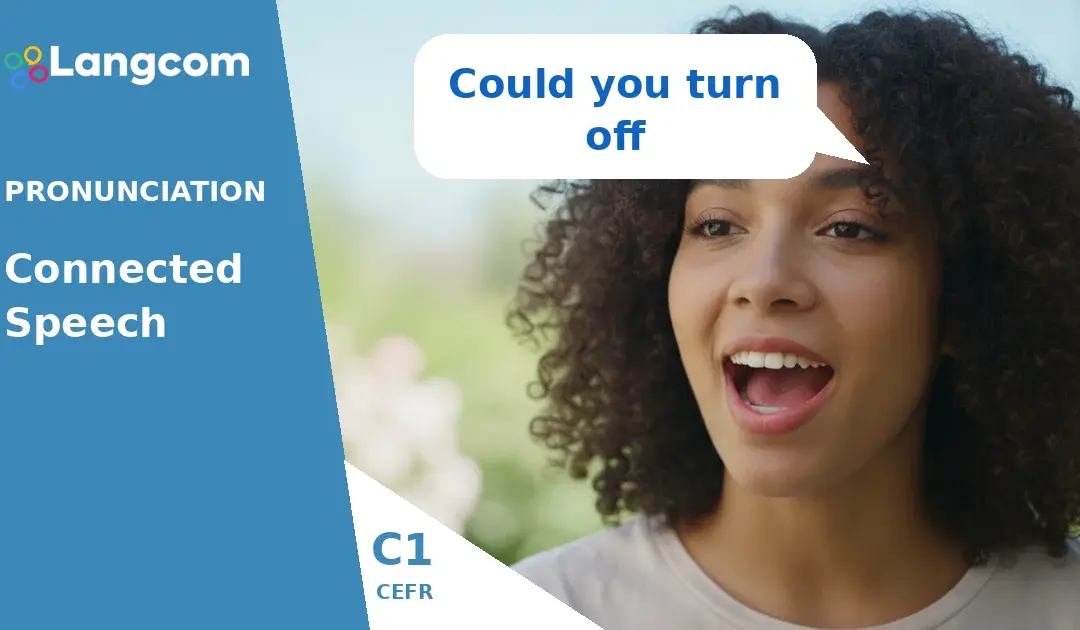
Connected speech is how English words join together when spoken naturally, making the language flow smoothly. The most important part of connected speech for C1 learners is linking, where the end of one word connects to the beginning of the next. This happens...
por Raúl | Sep 6, 2026 | B1 Inglés Intermedio
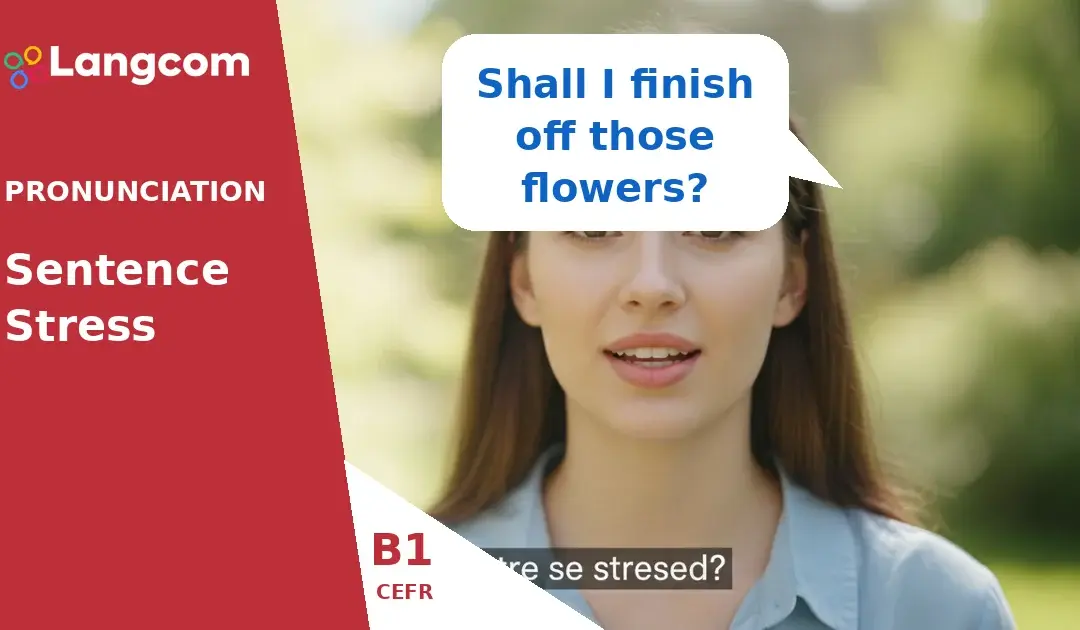
In English, important words are stressed, and their vowels are clear. Unstressed words often have reduced vowels, especially the schwa sound /ə/. This fundamental principle of English pronunciation is essential for sounding natural and being understood. Function...
por Raúl | Sep 6, 2026 | C1 Advanced Español
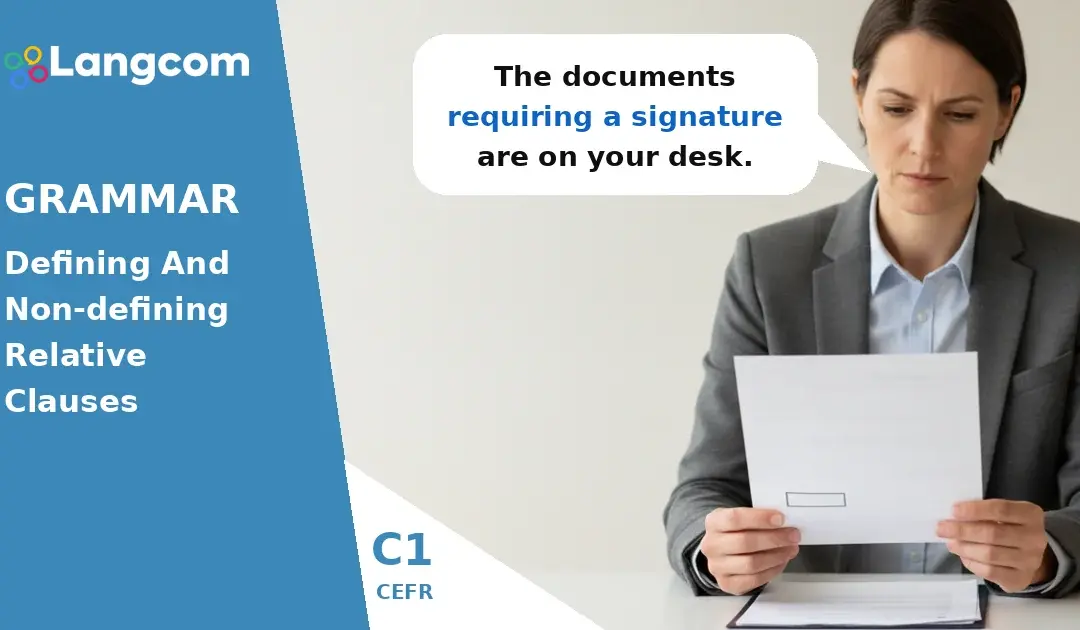
Reduced relative clauses make your English more concise and sophisticated by shortening relative clauses. They are a common feature of advanced English, especially in formal writing and academic speech. This grammatical structure allows you to condense information,...
por Raúl | Sep 6, 2026 | C1 Advanced Español
To discuss how things affect each other in English at a C1 level, you need a rich vocabulary to describe causes, effects, and the connections between them. Words like impact, implications, source, force, consequence, influence, trigger, stem from, result in, and...
