
por Raúl | Sep 8, 2026 | B1 Inglés Intermedio
Comparatives help you compare two things or actions, while superlatives describe one thing as the extreme in a group. For example, you might say My car is faster than yours (comparative) or This is the fastest car in the world (superlative). We use comparative...
por Raúl | Sep 7, 2026 | B1 Inglés Intermedio
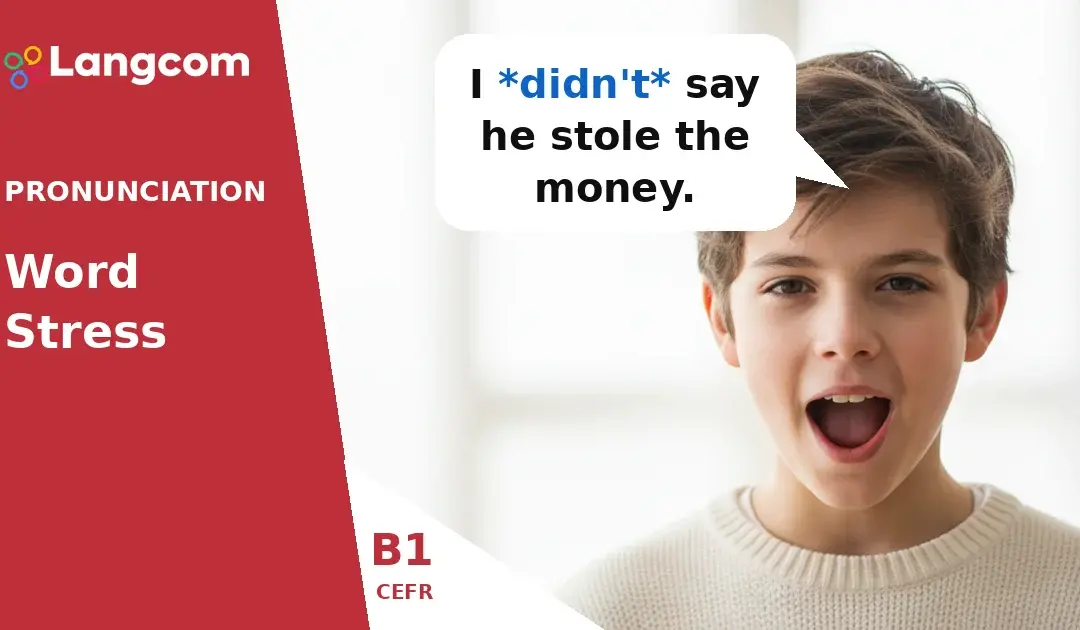
Main stress in English sentences helps you show what is most important in your message. When you speak, you usually make one word in a sentence sound stronger and longer than the others. This is called main stress or sentence stress. It is not always the same word; it...

por Raúl | Sep 7, 2026 | B1 Inglés Intermedio
The ‘to + infinitive’ form is a core part of English grammar, used to express purpose, follow specific verbs and adjectives, and combine with question words. This versatile structure helps you explain why you do something, what you want to do, or how to do...
por Raúl | Sep 7, 2026 | B1 Inglés Intermedio
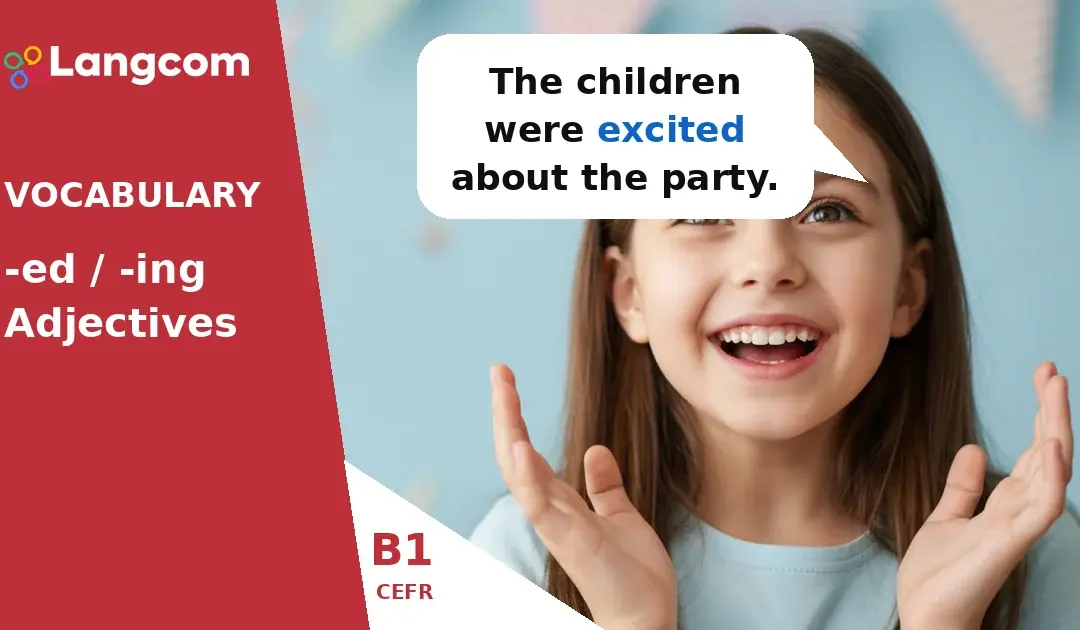
-ed adjectives describe how someone feels, while -ing adjectives describe the person, thing, or situation that causes that feeling. This is a key distinction for B1 English learners. For example, if a movie makes you feel a certain way, you would use an -ed adjective...
por Raúl | Sep 7, 2026 | B1 Inglés Intermedio
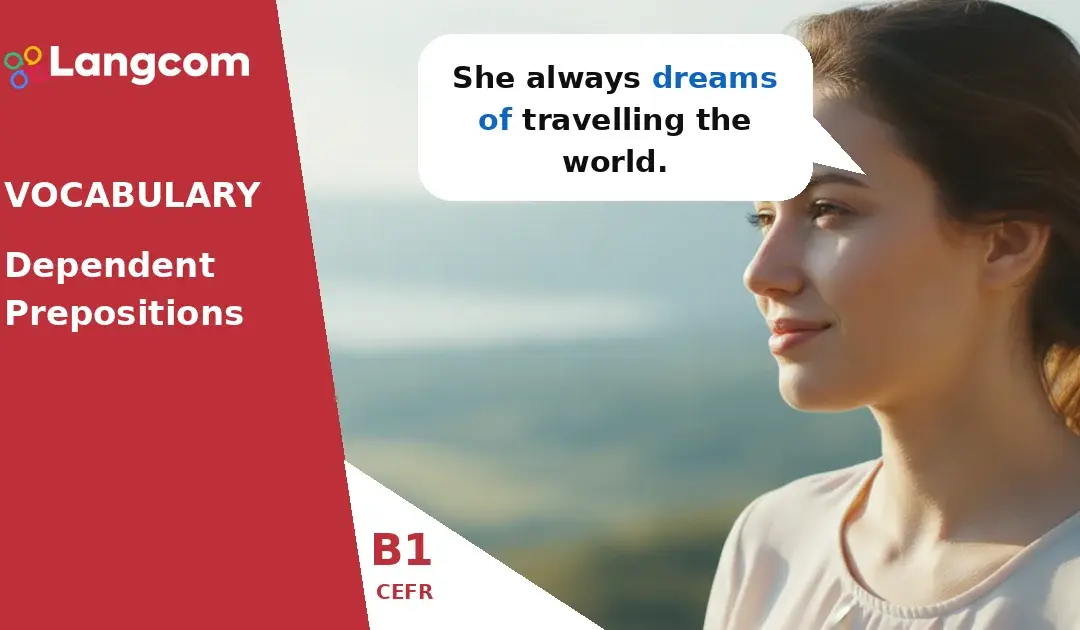
Dependent prepositions are small words that always follow specific verbs in English, forming a fixed pair. These pairs are essential for speaking and writing naturally at a B1 level. Unlike prepositions of place or time, dependent prepositions don’t have a clear...

por Raúl | Sep 7, 2026 | B1 Inglés Intermedio
To give advice in English, you can use either imperatives or the modal verb should. These two grammatical tools help you guide others, but they carry different levels of strength and directness. Imperatives are direct commands, like “Eat your vegetables!” They are...
