por Raúl | 16 de julio de 2026 | A2 Inglés básico
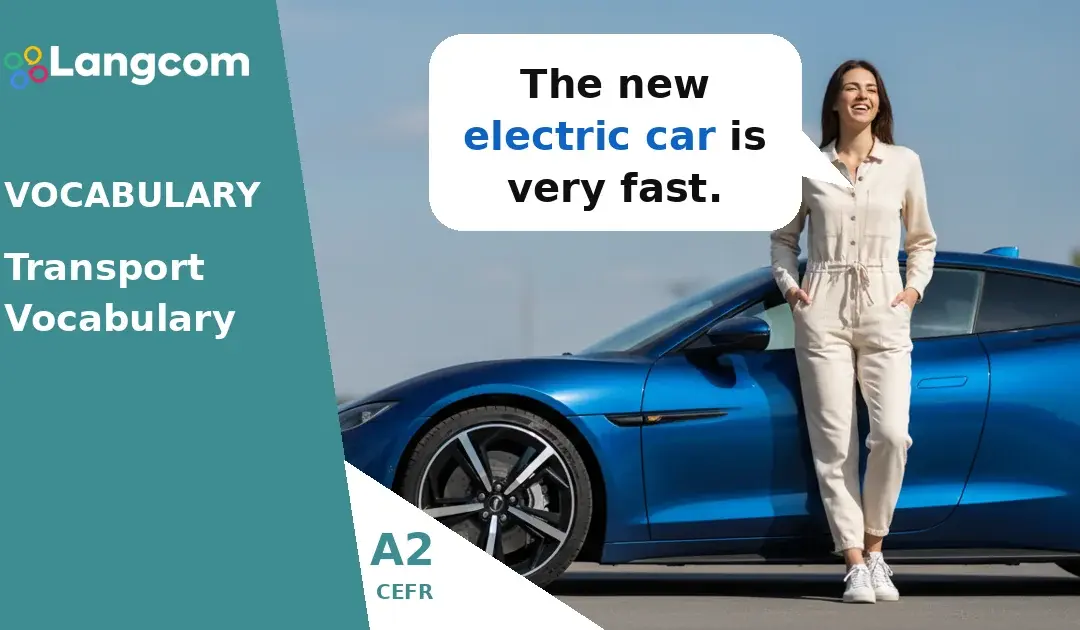
Los adjetivos nos ayudan a describir cosas, incluidos los diferentes medios de transporte. Cuando hablas de un coche, un autobús o un tren, puedes utilizar adjetivos para explicar qué sensaciones transmite, cómo se mueve o en qué estado se encuentra. Por ejemplo, puedes decir que un tren es rápido o que un autobús va lleno de gente...
por Raúl | 16 de julio de 2026 | A2 Inglés básico
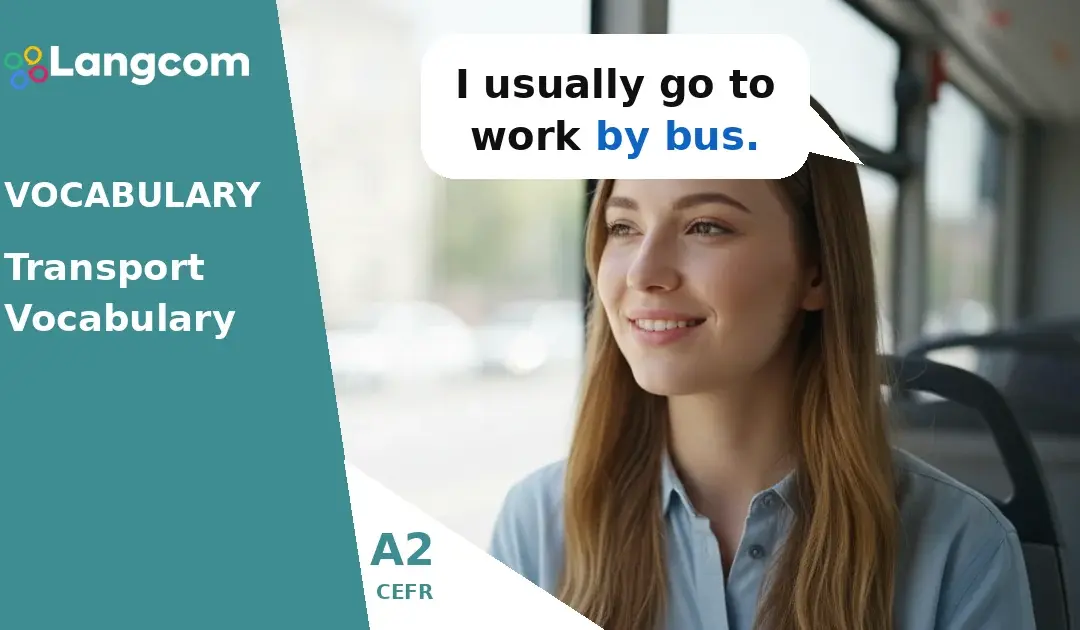
Aprender vocabulario relacionado con el transporte te ayuda a hablar de cómo te desplazas cada día y cuando te vas de vacaciones. Utilizamos palabras como «coche», «autobús», «tren» y «avión» para nombrar las diferentes formas de desplazarse de un lugar a otro. Es importante conocer estas palabras para pedir...

por Raúl | 16 de julio de 2026 | A2 Inglés básico
The letter ‘a’ in English has four common sounds, not just one, which is key to clear A2 pronunciation. Unlike Spanish, where ‘a’ typically makes a single, consistent sound, English ‘a’ is much more flexible and can be pronounced in...

por Raúl | 16 de julio de 2026 | A2 Inglés básico
Past Simple irregular verbs are special words in English that do not follow the normal rule of adding ‘-ed’ to form their past tense. Instead, they change their form in unique ways. For example, the verb go becomes went, and eat becomes ate. These verbs...

por Raúl | 15 de julio de 2026 | A2 Inglés básico
The Past Simple positive form tells us about actions that started and finished in the past. We use it to describe events that are completely over, like I visited my friend yesterday. or She ate pizza last night. It’s essential for telling stories, talking about...

por Raúl | 15 de julio de 2026 | A2 Inglés básico
The Past Simple of ‘be’ (was/were) helps us talk about how things were, where people were, or what someone was like in the past. It’s one of the most important verbs in English for A1 learners. We use was for singular subjects like I, he, she, it,...
