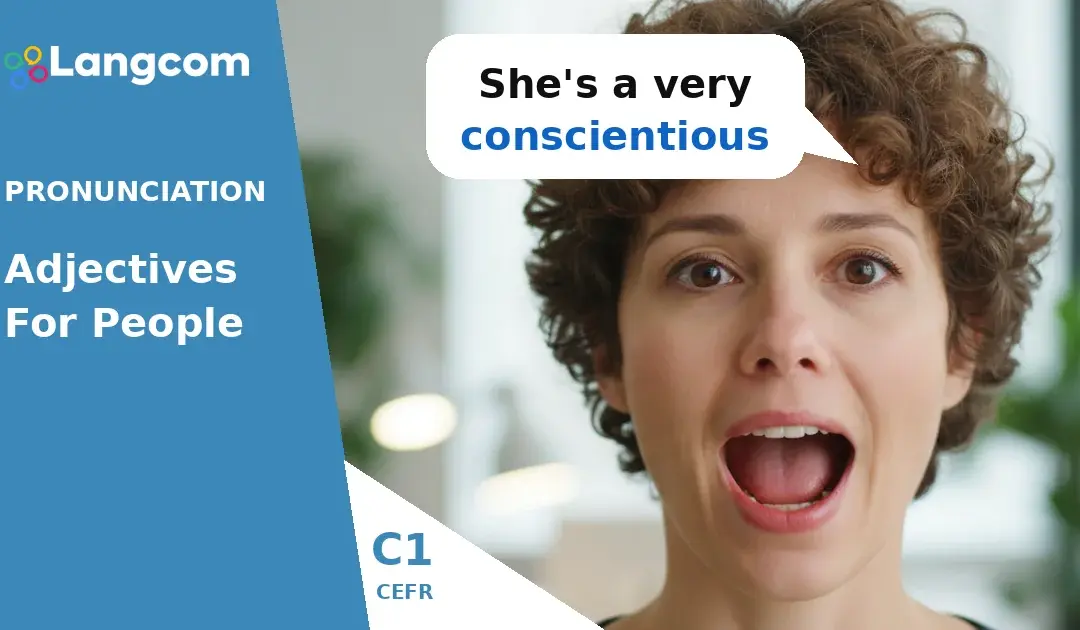
por Raúl | 22 de septiembre de 2026 | C1 Advanced (CAE)
La pronunciación correcta de los adjetivos de nivel C1 es fundamental para comunicarse con claridad y obtener una puntuación alta en exámenes como el C1 Advanced (CAE). Muchos adjetivos largos en inglés, sobre todo los que se utilizan para describir la personalidad, tienen patrones de acento específicos y vocales complicadas...
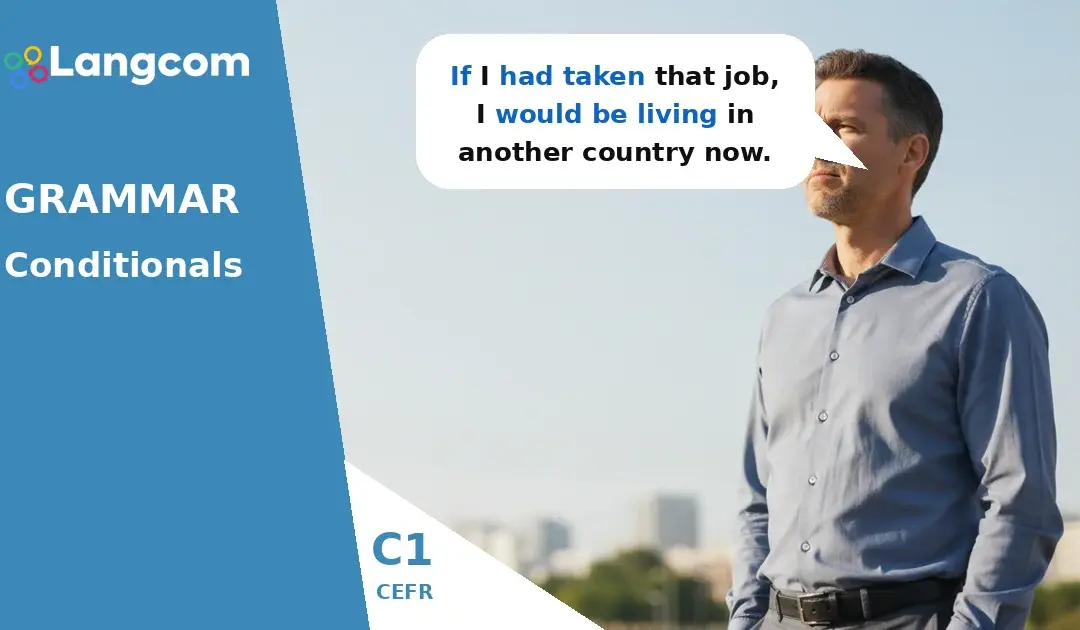
por Raúl | 22 de septiembre de 2026 | C1 Advanced (CAE)
Advanced conditionals in English allow you to express complex relationships between actions and situations across different timeframes. Unlike basic conditional types, C1 conditionals often mix tenses to show how a past action affects the present, or how a present...

por Raúl | 22 de septiembre de 2026 | C1 Advanced (CAE)
To describe people accurately and express complex ideas in English, C1 learners need a rich vocabulary of personality adjectives. These advanced words allow you to go beyond basic descriptions, adding nuance and depth to your communication. For example, instead of...
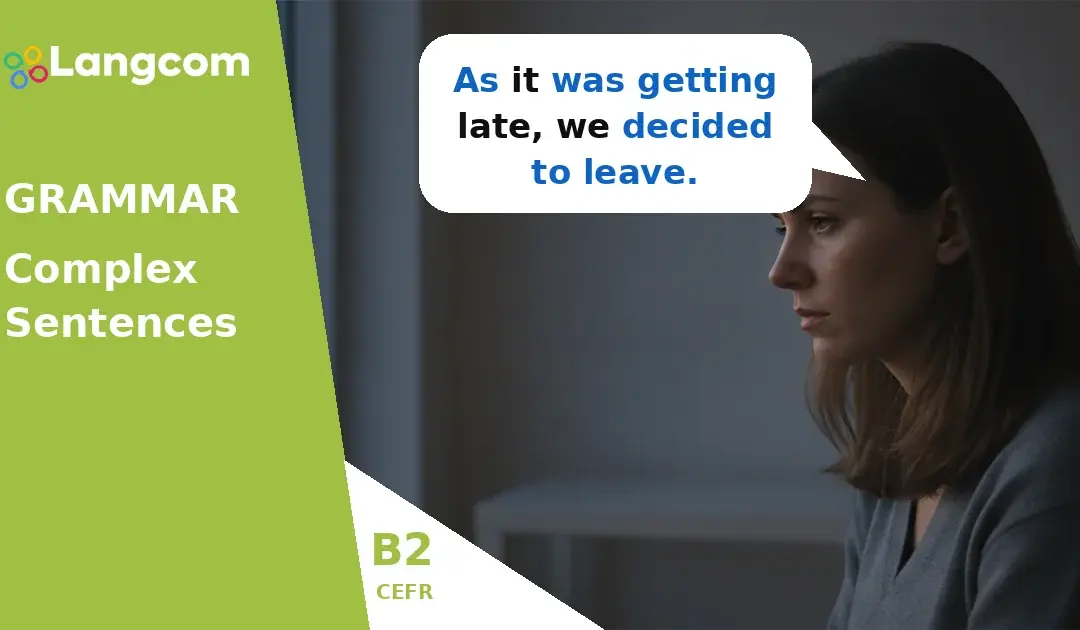
por Raúl | Sep 21, 2026 | B2 First (FCE)
‘Fronting’ is a powerful technique in English that involves placing a part of a sentence that usually comes later at the beginning. This method creates more sophisticated and natural-sounding complex sentences. It helps to emphasize information, improve...

por Raúl | Sep 21, 2026 | B2 First (FCE)
Some English verbs can be followed by both a gerund (-ing form) and an infinitive (to + verb), but the meaning changes completely. This is a common challenge for B2 English learners, as choosing the wrong form can lead to misunderstandings. For example, I stopped...

por Raúl | Sep 21, 2026 | B2 First (FCE)
Understanding vocabulary related to crimes is crucial for B2 English learners, especially for discussing current events, reading news, and excelling in exams like the B2 First. This vocabulary helps you describe illegal actions, the people who commit them, and the...
