por Raúl | 4 de agosto de 2026 | A2 Key (KET)
The Present Simple tense describes actions that happen regularly, facts, or general truths. It is a core tense for A2 English learners to talk about daily life. We use it for routines, like I wake up at 7 AM every day, and for habits, such as She drinks coffee in the...
por Raúl | 4 de agosto de 2026 | A2 Key (KET)
The English sounds /ɪ/ (short ‘i’) and /iː/ (long ‘ee’) are different and important for clear communication. The /ɪ/ sound is short and relaxed, like the ‘i’ in chicken or sit. Your mouth is slightly open, and your tongue is relaxed...
por Raúl | 4 de agosto de 2026 | A2 Key (KET)
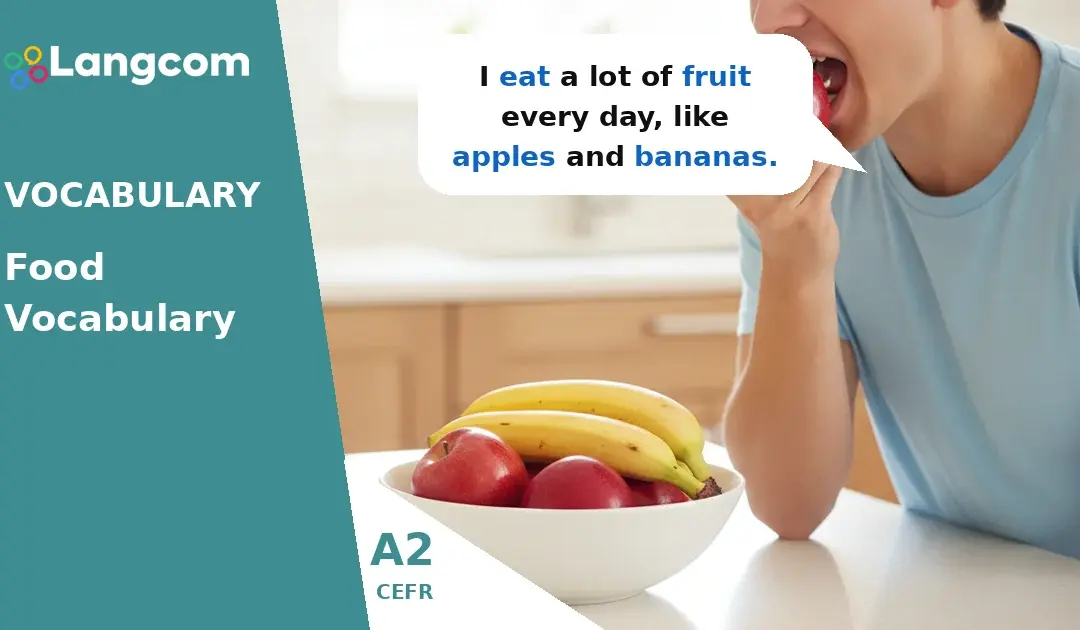
Conocer los grupos de alimentos te ayuda a hablar de lo que comes, a hacer la compra y a entender qué es una alimentación saludable en inglés. Estos grupos clasifican los diferentes tipos de alimentos, como la fruta, la verdura, los productos lácteos y la carne. Aprender estas palabras es importante para el día a día...
por Raúl | 4 de agosto de 2026 | B2 First (FCE)
Verb-noun collocations are natural partnerships between a verb and a noun that native English speakers commonly use. They are not just any combination of words; they are specific pairs that sound ‘right’ together. For example, we say make a decision, not...
por Raúl | 4 de agosto de 2026 | B2 First (FCE)
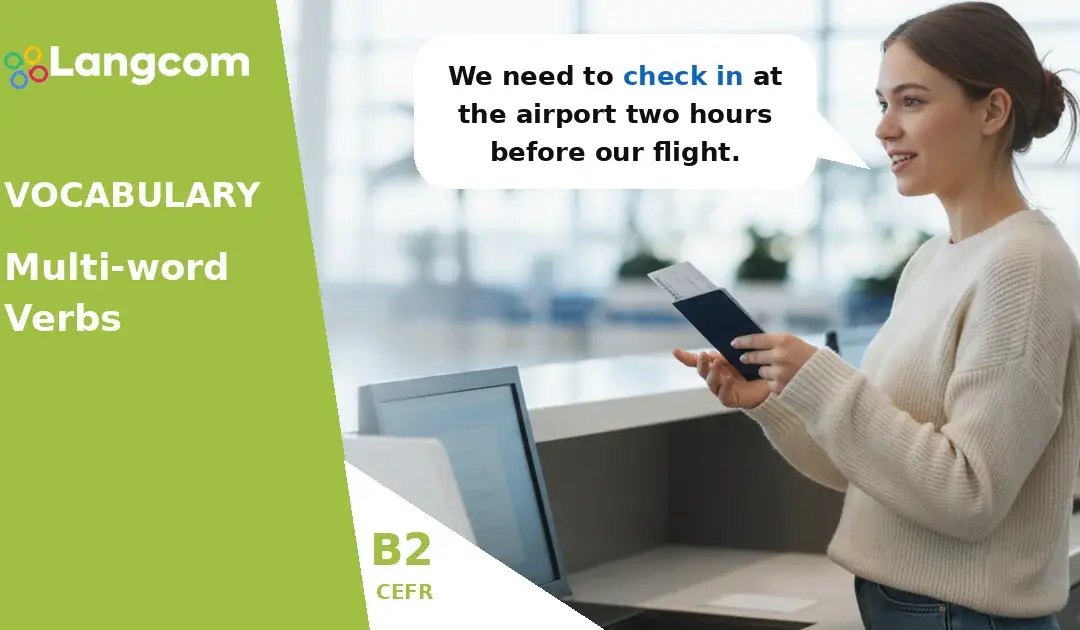
Multi-word verbs, also known as phrasal verbs, are essential for describing travel in English, especially at B2 level. These verbs combine a main verb with a preposition or an adverb, creating a new meaning that is often different from the individual words. For...
por Raúl | 4 de agosto de 2026 | B2 First (FCE)
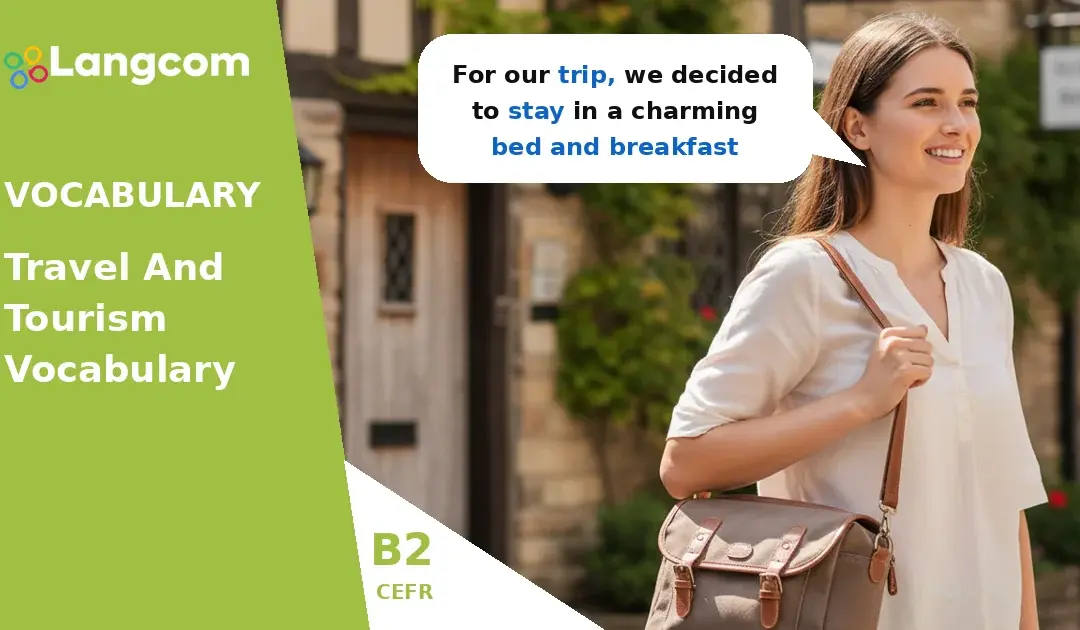
Precise vocabulary is key for describing travel experiences accurately in English. At B2 level, it’s important to move beyond general words and use specific terms for different aspects of your holidays. For instance, hostel, bed and breakfast, and campsite are...
