por Raúl | Sep 6, 2026 | A2 Key (KET)
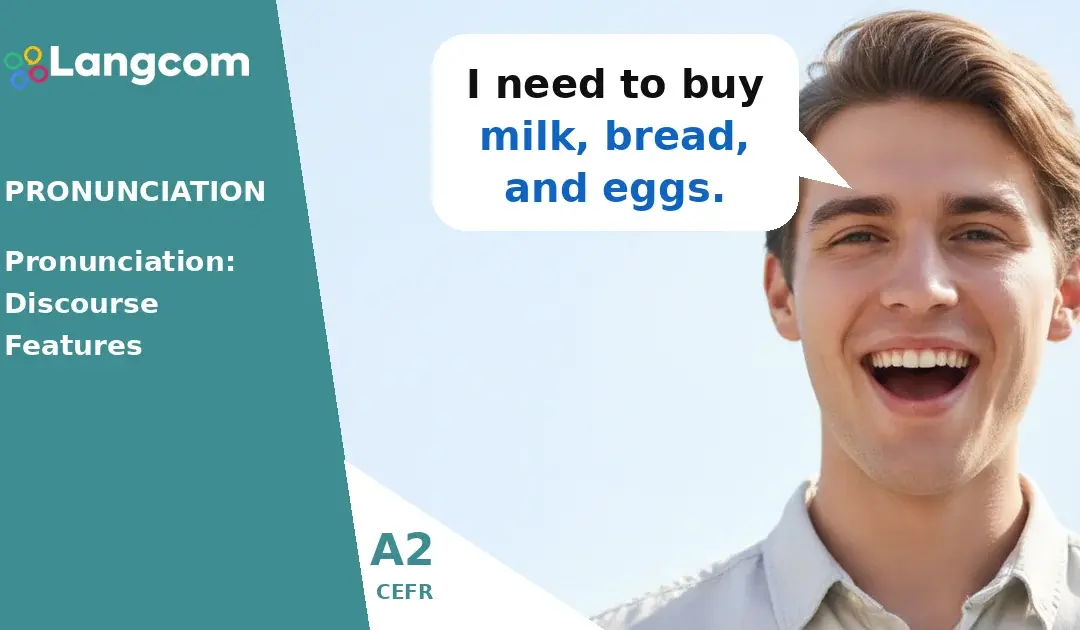
When you speak in English and list several items, your voice usually goes up for each item until the very last one, where it goes down. This pattern is called ‘list intonation’. It helps listeners understand that you are still talking and have more items...

por Raúl | Sep 6, 2026 | A2 Key (KET)
Their, there, and they’re are homophones, meaning they sound exactly the same but have different spellings and meanings. Understanding these differences is crucial for clear English communication, especially in writing. Many English learners find these words...
por Raúl | Sep 6, 2026 | A2 Key (KET)
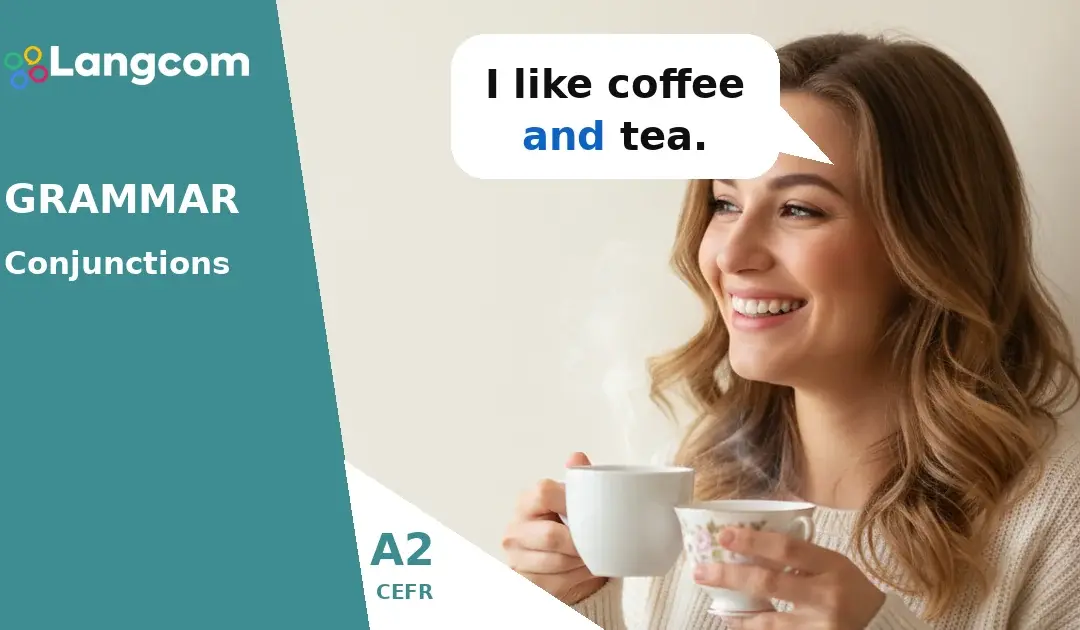
Conjunctions like and, but, or, and because are small but powerful words that help you connect ideas in English. They join words, phrases, or whole sentences together. Using them makes your English sound more natural and helps you express more complex thoughts simply....
por Raúl | Sep 6, 2026 | A2 Key (KET)
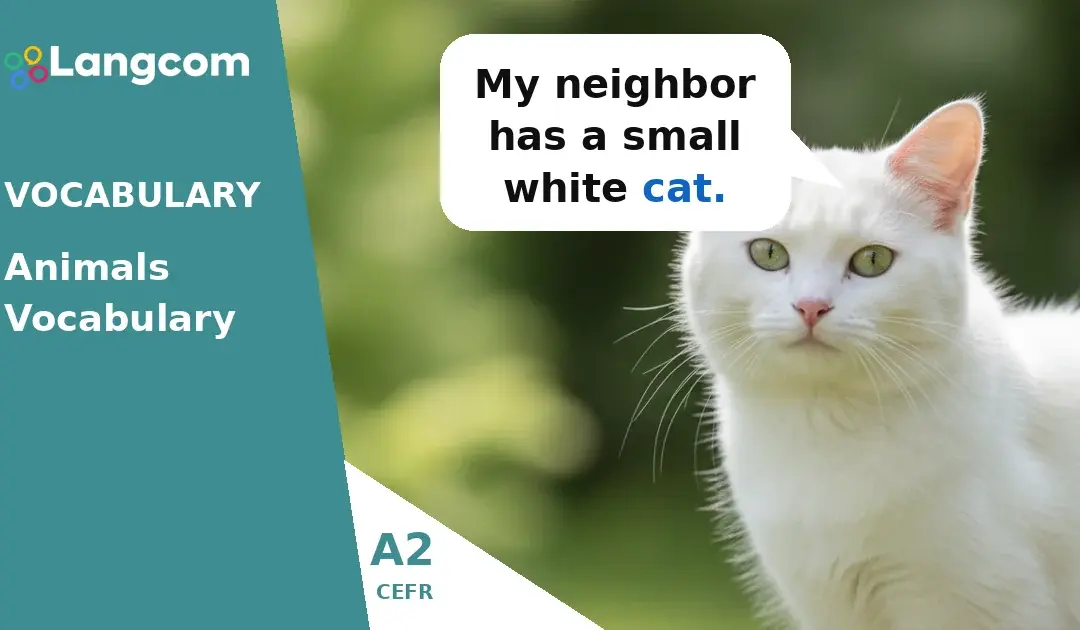
Learning animal vocabulary is very important for A2 English learners because animals are a common topic in everyday conversations, stories, and even exams like the Cambridge A2 Key. Knowing these words helps you describe pets, talk about nature, and understand simple...

por Raúl | Sep 6, 2026 | A2 Key (KET)
Collocations are words that naturally go together in English, forming common and expected pairs or groups. Think of them as word partnerships that sound “right” to native speakers. For example, we always make a mistake, we never do a mistake. Similarly, we...
por Raúl | Sep 6, 2026 | A2 Key (KET)
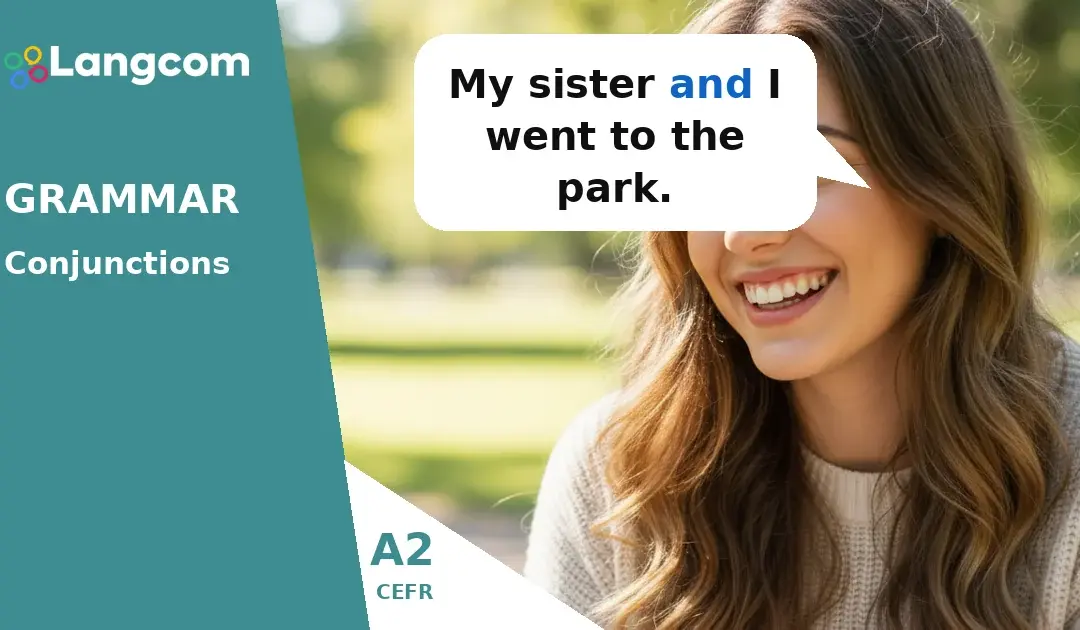
The word and is a very common conjunction in English that connects similar ideas, words, or phrases. It acts like a bridge, joining two or more items together to create a smooth, natural flow in your sentences. You use and to link nouns, for example, I like coffee and...
