por Raúl | 14 de septiembre de 2026 | A2 Key (KET)
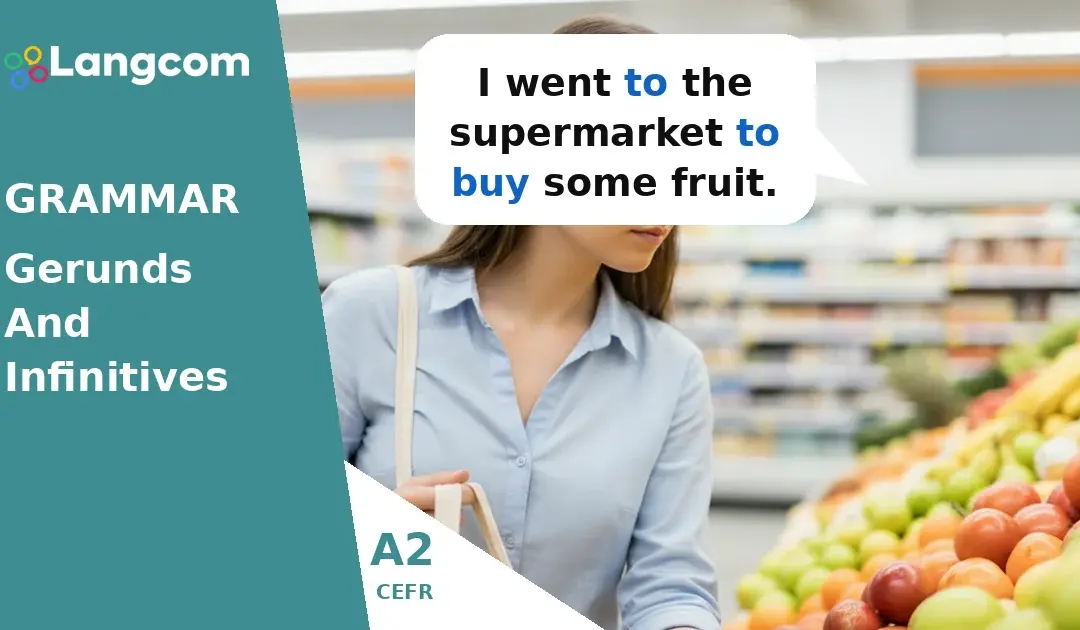
The infinitive of purpose tells you *why* someone does something. We use the structure to + base form of the verb to explain the reason or goal of an action. For example, if you say I went to the shop to buy milk, the phrase to buy milk explains *why* you went to the...
por Raúl | 14 de septiembre de 2026 | Pre A1 Starters
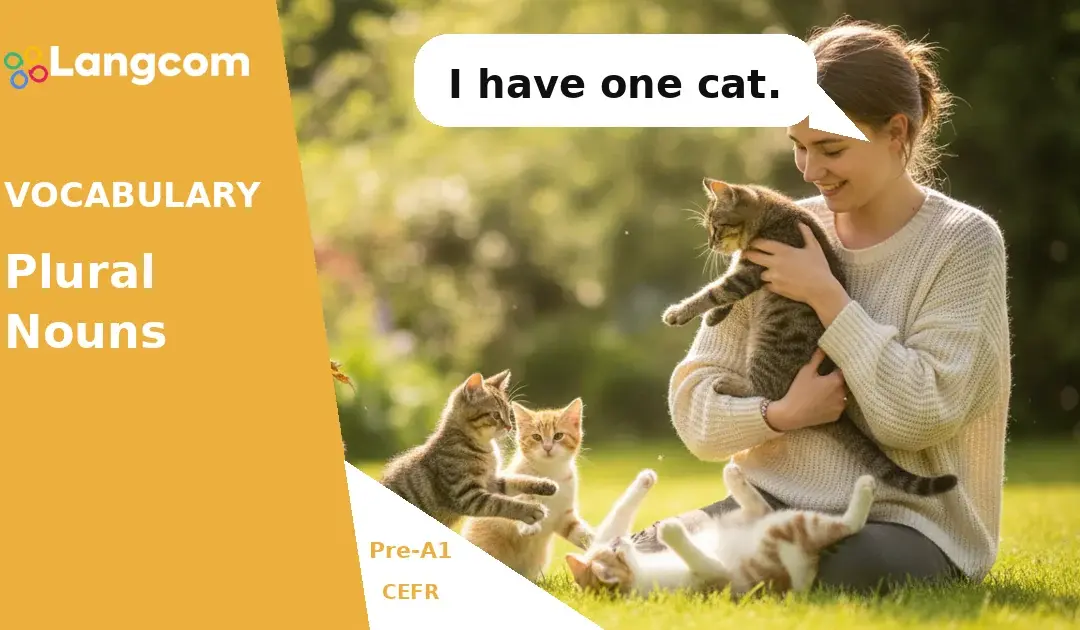
En inglés, los sustantivos pueden ser singulares (uno) o plurales (más de uno). Para poner la mayoría de los sustantivos en plural, basta con añadir -s al final. Por ejemplo, «un libro» se convierte en «dos libros». Este cambio nos ayuda a saber si estamos hablando de una cosa o de varias. A veces, la terminación...
por Raúl | 14 de septiembre de 2026 | B2 First (FCE)
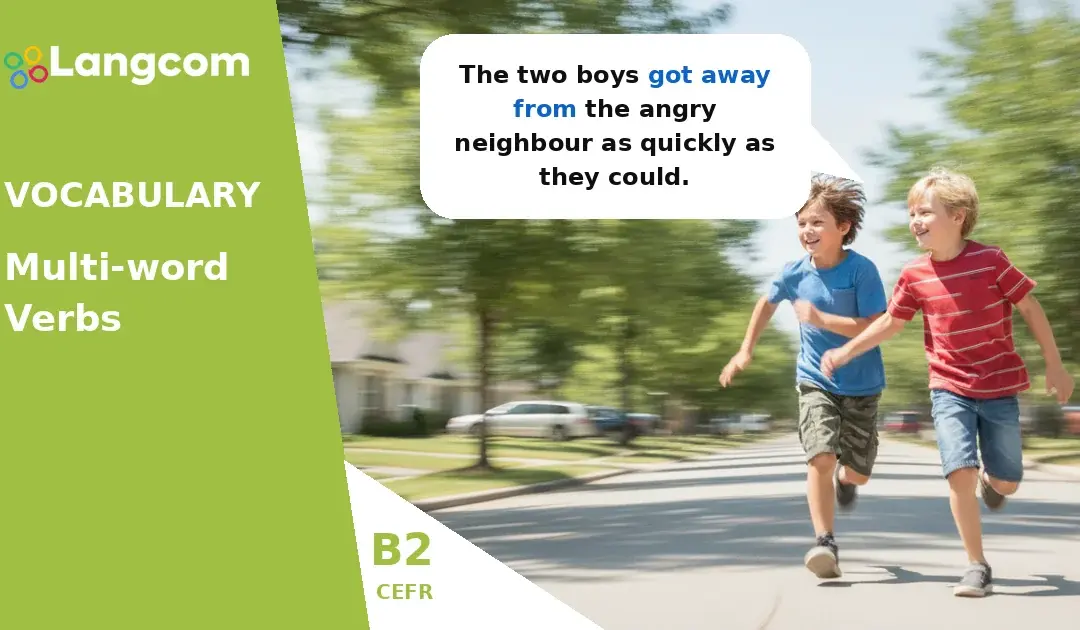
Phrasal verbs with GET are extremely common and important for B2 English learners. These verbs combine GET with a preposition or adverb, creating new meanings that are often very different from the original verb. Mastering them will make your English sound more...
por Raúl | 13 de septiembre de 2026 | B2 First (FCE)
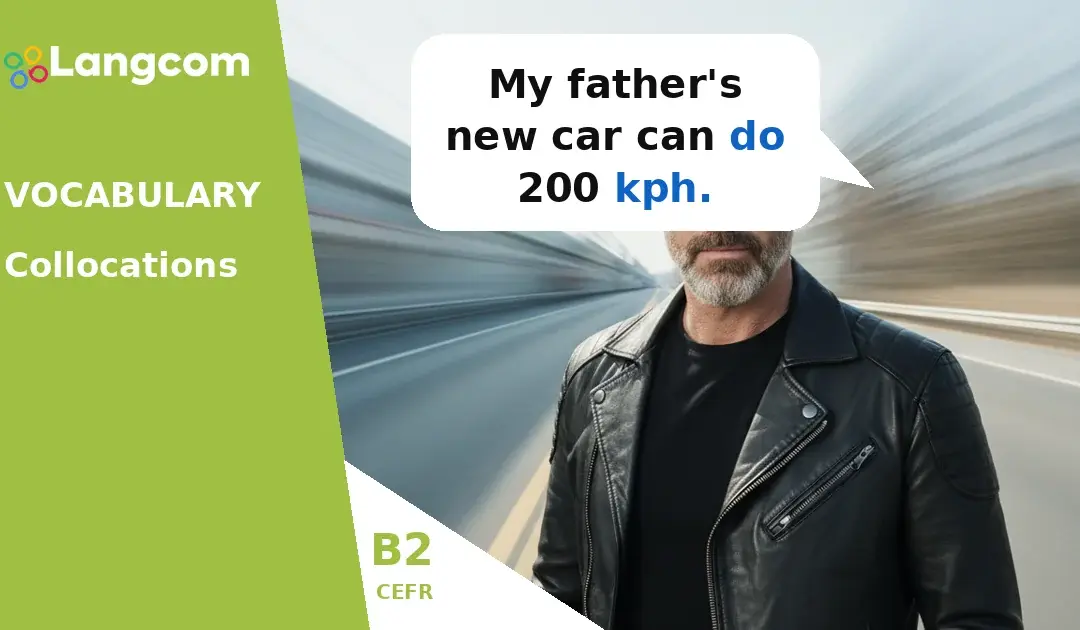
Collocations are pairs or groups of words that naturally go together in English. They are not just random words; they are combinations that native speakers use all the time. Learning collocations helps your English sound more natural and fluent, moving beyond direct...
por Raúl | 13 de septiembre de 2026 | B2 First (FCE)
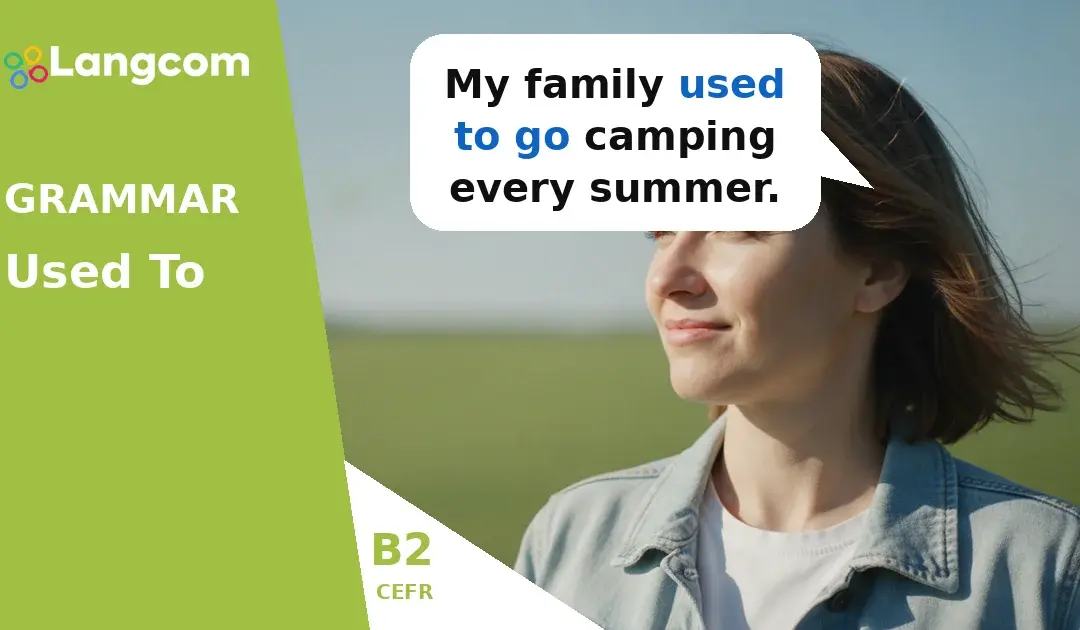
Understanding used to, would, be used to, and get used to is key for B2 English learners to talk about past habits, past states, and becoming accustomed to something. Used to describes actions or situations that were regular in the past but are not now, like I used to...
por Raúl | 13 de septiembre de 2026 | Pre A1 Starters
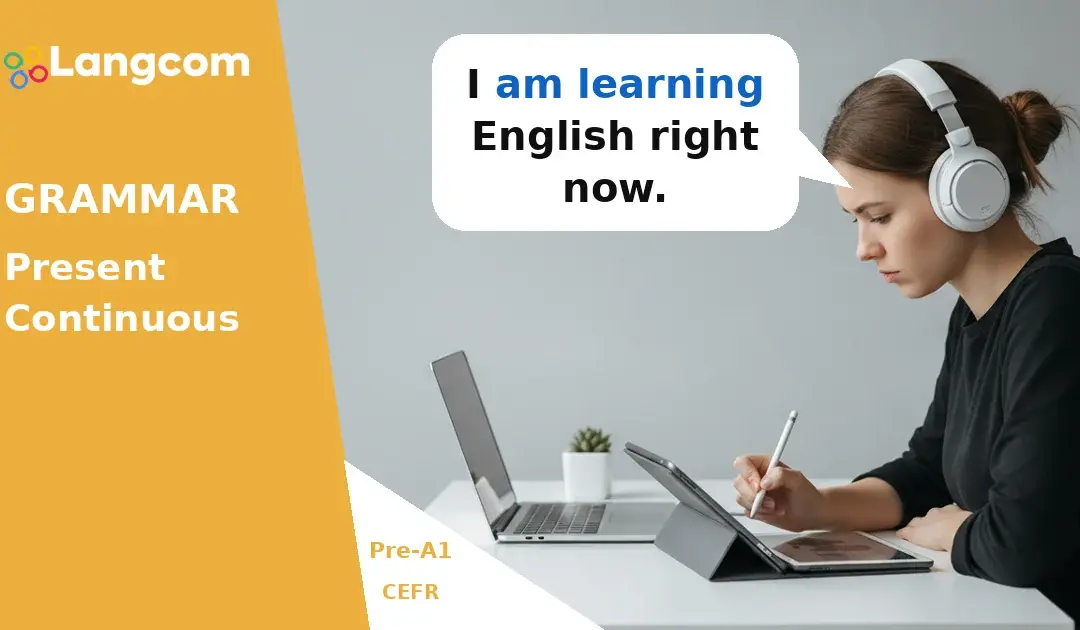
El presente continuo te ayuda a hablar de acciones que están ocurriendo ahora mismo, en este preciso instante. ¡Es como decir ‘ahora’ con el verbo! Se utiliza una forma especial: am, is o are (del verbo «to be») + un verbo que termine en -ing. Por ejemplo, si dices «I...».
