por Raúl | Sep 25, 2026 | A1 Movers
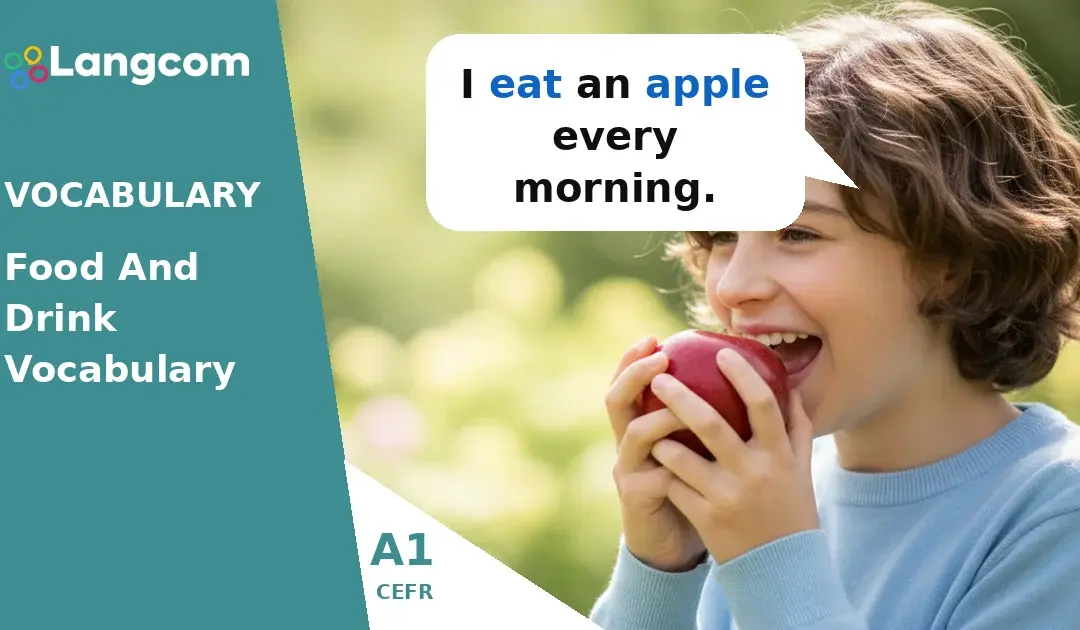
Learning food and drink vocabulary in English is very useful for everyday conversations. It helps you talk about what you eat, what you like, and what you want to buy. We often group food and drink into categories to make them easier to remember. For example, apples...

por Raúl | Sep 25, 2026 | A1 Movers
Learning basic English clothes vocabulary helps you describe what people wear and what you want to buy. At A1 level, you will learn common words for everyday items. For example, you wear a T-shirt when it’s warm, and a coat when it’s cold. For your legs,...
por Raúl | Sep 25, 2026 | A1 Movers
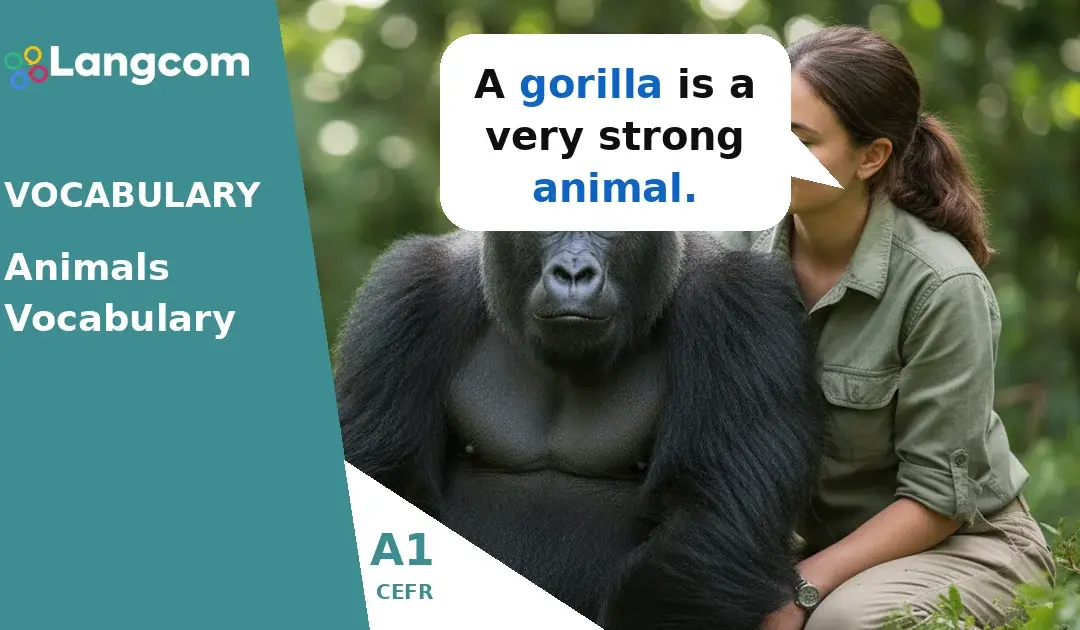
Learning animal names in English is a fantastic way to build your basic vocabulary for A1 level. Knowing words like bee, spider, mosquito, parrot, gorilla, camel, tiger, and whale helps you talk about the world around you. You can describe pictures, understand simple...
por Raúl | 14 de septiembre de 2026 | Pre A1 Starters
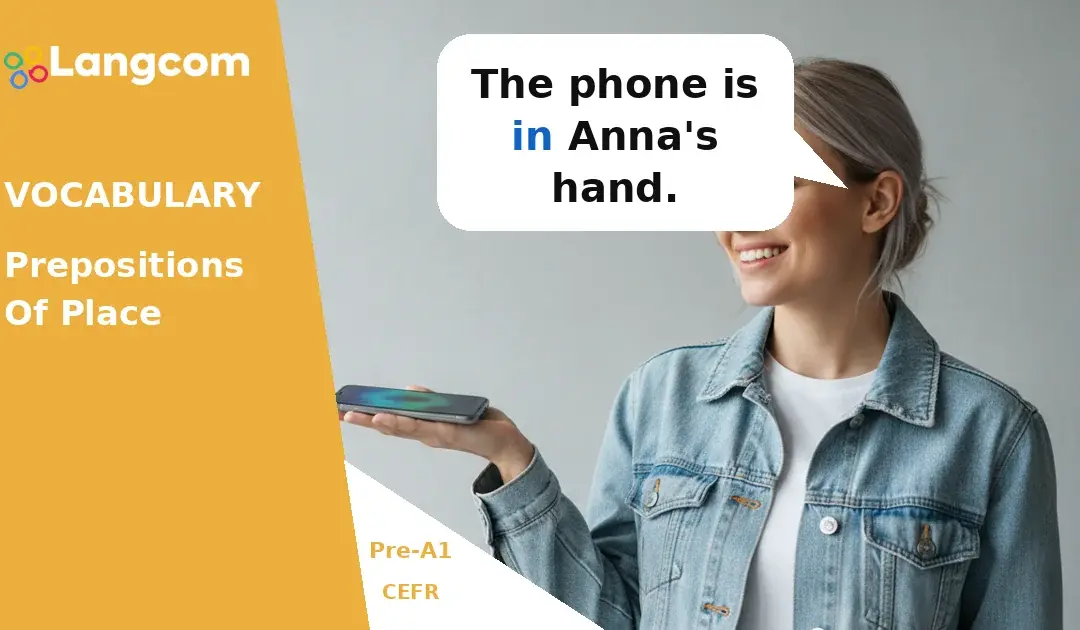
Las preposiciones de lugar son palabras cortas que indican exactamente dónde está algo. Te ayudan a describir la ubicación de personas, animales y objetos. Por ejemplo, si quieres decir dónde está tu libro, puedes usar una preposición como «en» o «sobre». Estas palabras son muy...
por Raúl | 14 de septiembre de 2026 | Pre A1 Starters
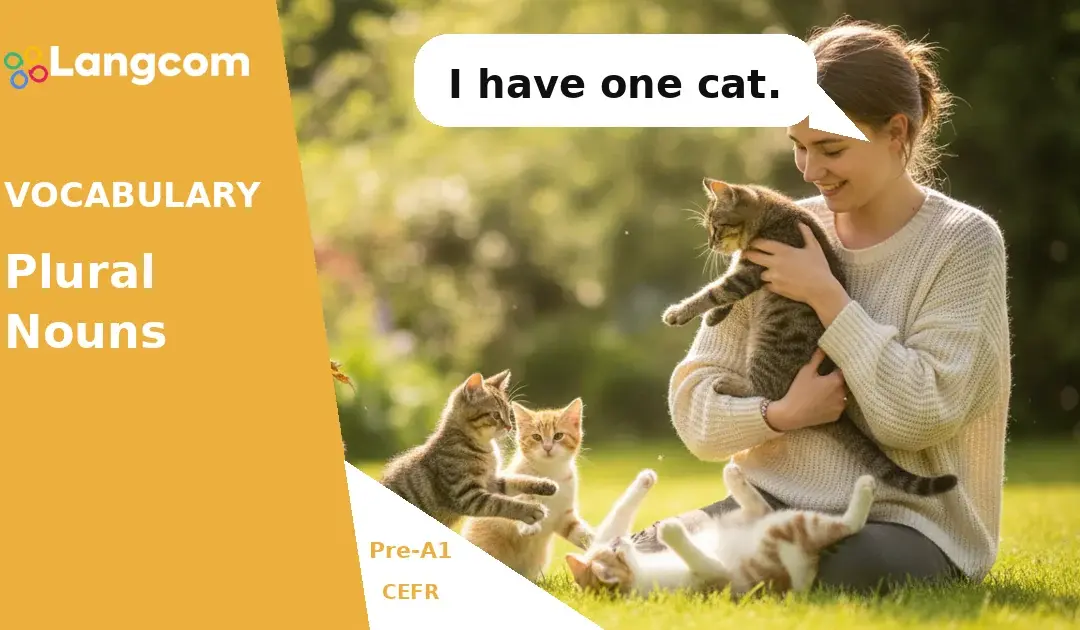
En inglés, los sustantivos pueden ser singulares (uno) o plurales (más de uno). Para poner la mayoría de los sustantivos en plural, basta con añadir -s al final. Por ejemplo, «un libro» se convierte en «dos libros». Este cambio nos ayuda a saber si estamos hablando de una cosa o de varias. A veces, la terminación...
por Raúl | 13 de septiembre de 2026 | Pre A1 Starters
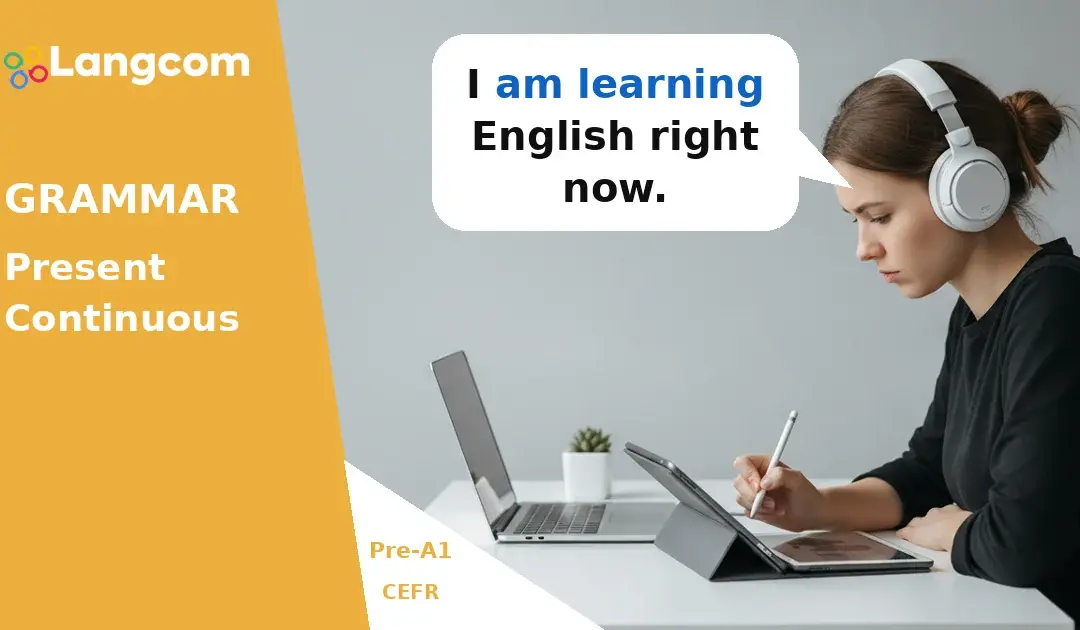
El presente continuo te ayuda a hablar de acciones que están ocurriendo ahora mismo, en este preciso instante. ¡Es como decir ‘ahora’ con el verbo! Se utiliza una forma especial: am, is o are (del verbo «to be») + un verbo que termine en -ing. Por ejemplo, si dices «I...».
