por Raúl | Sep 24, 2026 | C1 Advanced (CAE)
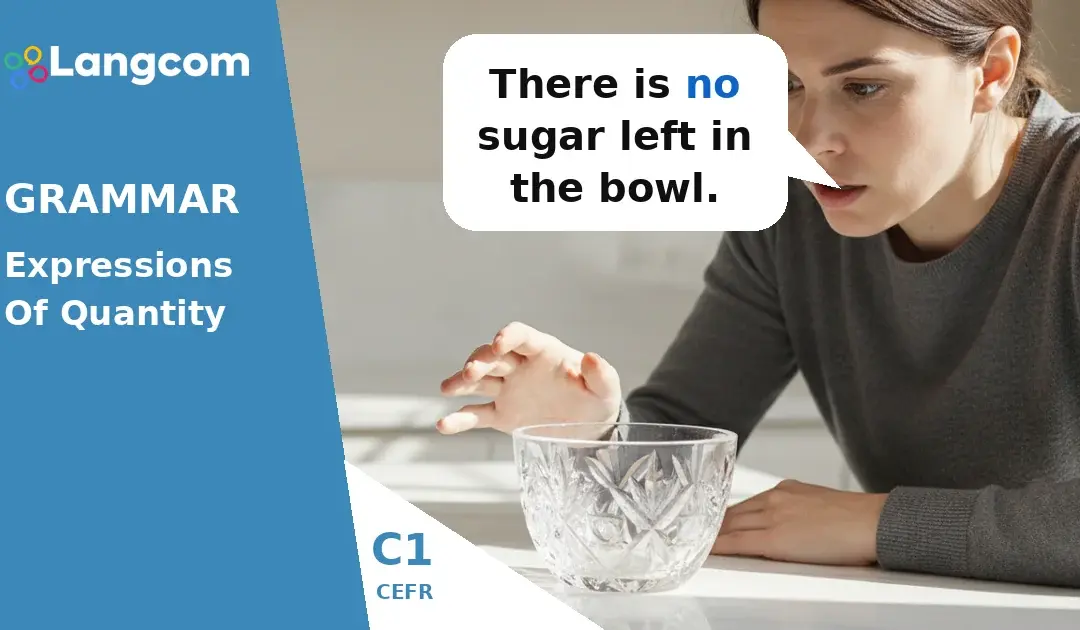
Understanding the subtle differences between no, none, and not is crucial for C1 English learners aiming for precision and natural expression. No functions as a determiner, meaning ‘not any’ or ‘not a single,’ and always comes directly before a...

por Raúl | Sep 24, 2026 | C1 Advanced (CAE)
Many English nouns can be both countable and uncountable, but their meaning often changes depending on how they are used. Understanding this flexibility is key for C1 learners. When a noun is uncountable, it refers to a general concept, a substance, or an activity,...
por Raúl | Sep 24, 2026 | C1 Advanced (CAE)
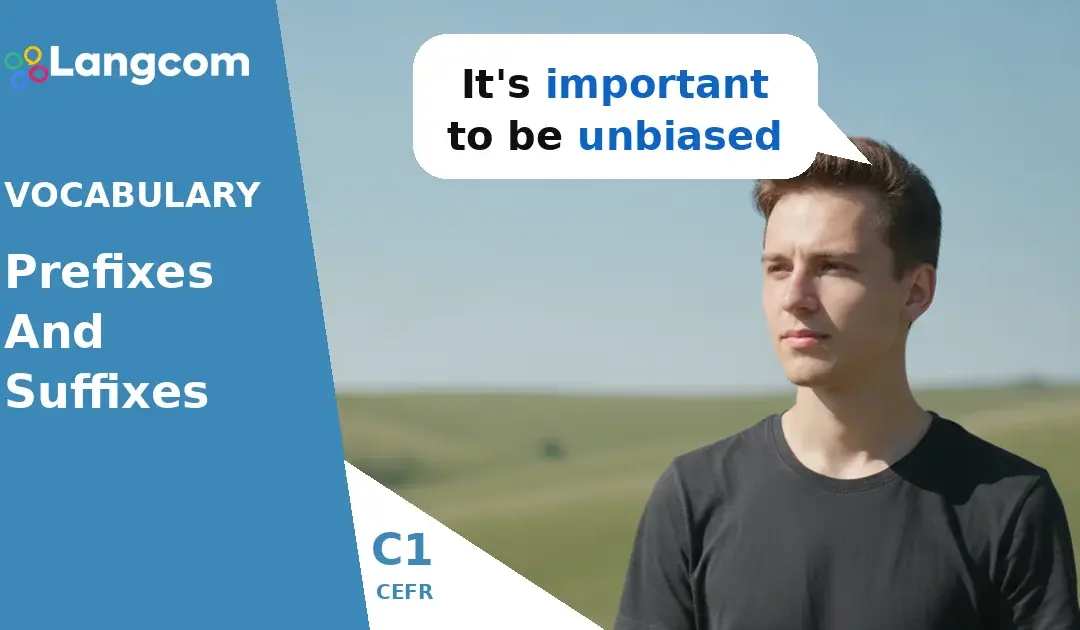
Negative prefixes are small groups of letters added to the beginning of a word to change its meaning to the opposite. They are powerful tools for expanding your C1 English vocabulary, allowing you to create new words and understand complex texts without needing to...
por Raúl | Sep 24, 2026 | C1 Advanced (CAE)
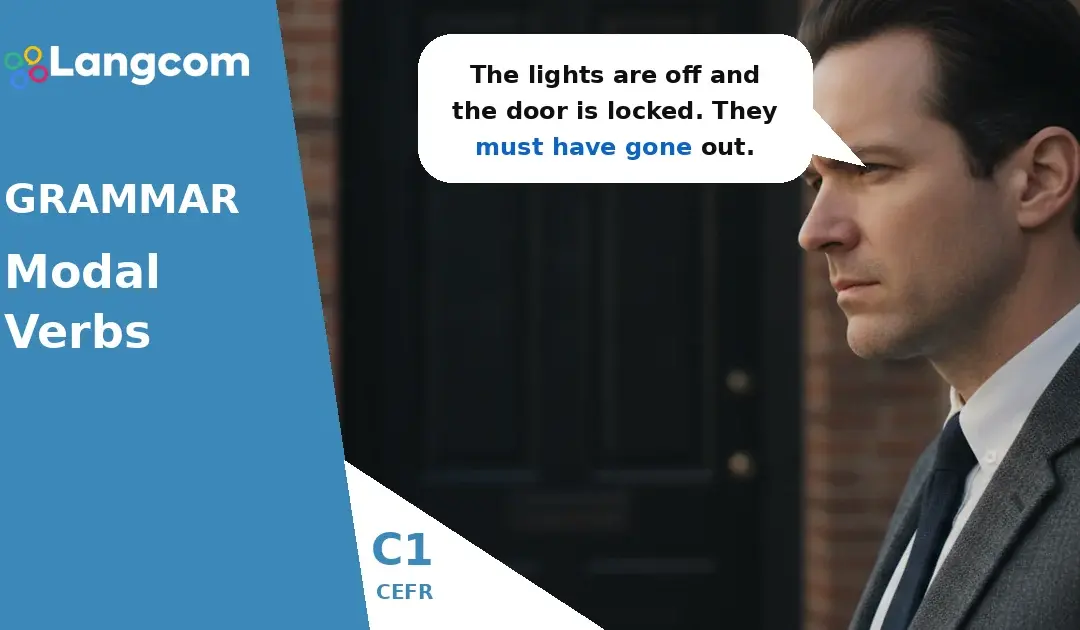
Past modals for deduction and speculation help us talk about what we think happened in the past when we are not 100% sure. We use them to make educated guesses or draw conclusions about past events based on present evidence. The structure is always modal verb + have +...
por Raúl | 23 de septiembre de 2026 | C1 Advanced (CAE)
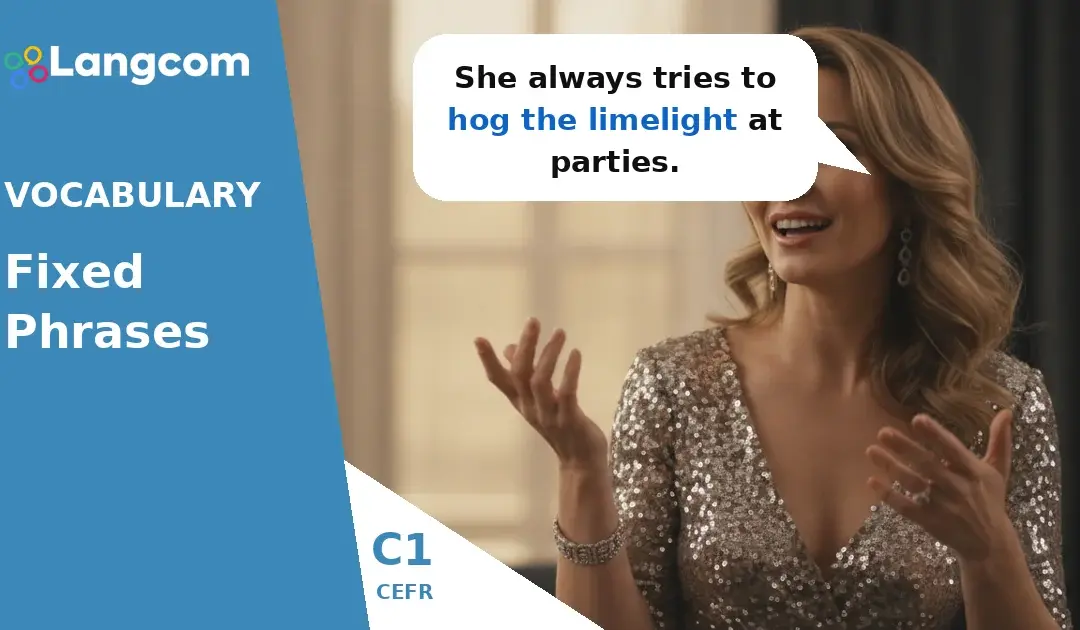
Las expresiones fijas son grupos de palabras que siempre aparecen juntas en un orden concreto y cuyo significado suele diferir del de las palabras por separado. Aprender estas expresiones es fundamental para los estudiantes de inglés de nivel C1, ya que hacen que tu forma de expresarte suene mucho más natural y...

por Raúl | 23 de septiembre de 2026 | C1 Advanced (CAE)
Para expresar deseos y lamentaciones en inglés a un nivel C1, se utilizan principalmente estructuras con «wish» o «if only», seguidas de un verbo en pasado. Esto te permite hablar de situaciones que te gustaría que fueran diferentes en el presente, quejarte de hábitos actuales o expresar pesar...
