por Raúl | 14 de septiembre de 2026 | A2 Key (KET)
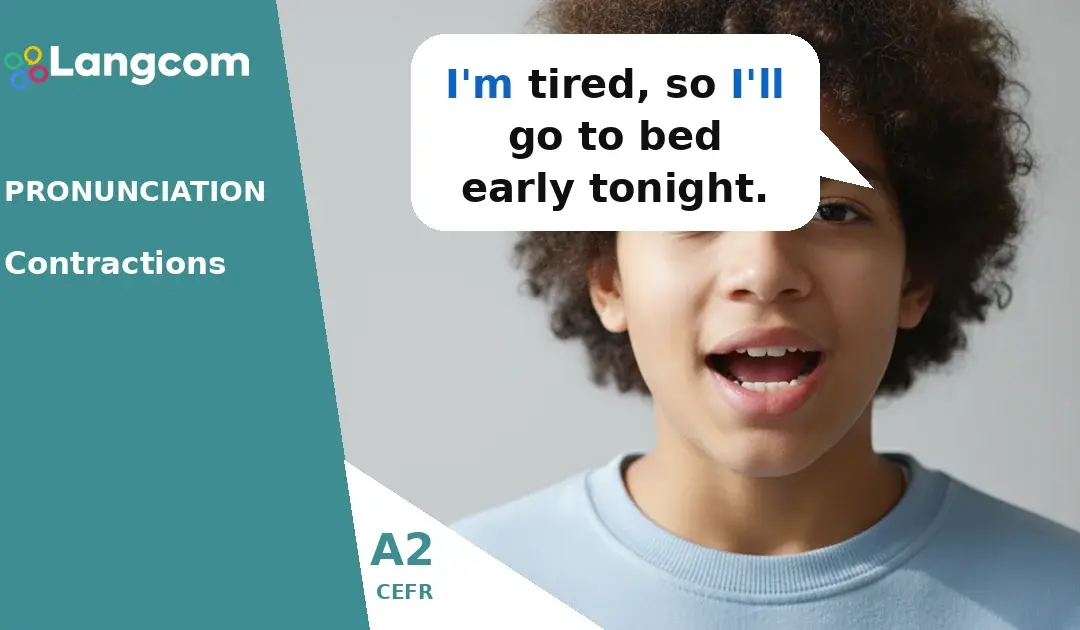
Contractions are shortened forms of two words, joined by an apostrophe, that help English speakers sound more natural and fluent. They are very common in spoken English and informal writing, making your sentences quicker and easier to say. For example, instead of...
por Raúl | 14 de septiembre de 2026 | A2 Key (KET)
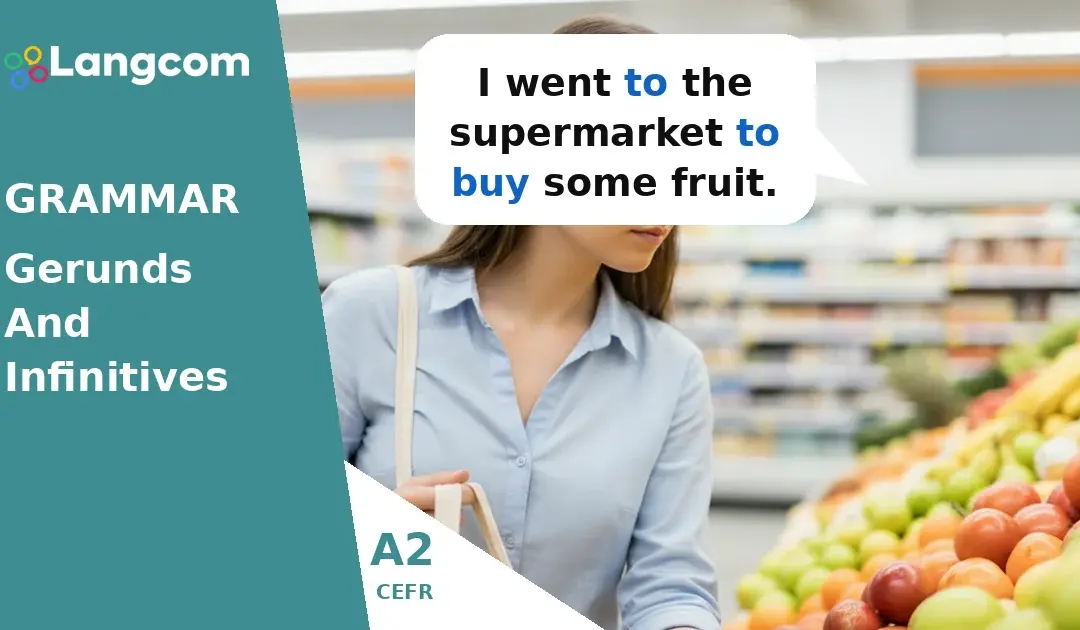
The infinitive of purpose tells you *why* someone does something. We use the structure to + base form of the verb to explain the reason or goal of an action. For example, if you say I went to the shop to buy milk, the phrase to buy milk explains *why* you went to the...
por Raúl | 10 de septiembre de 2026 | A2 Key (KET)
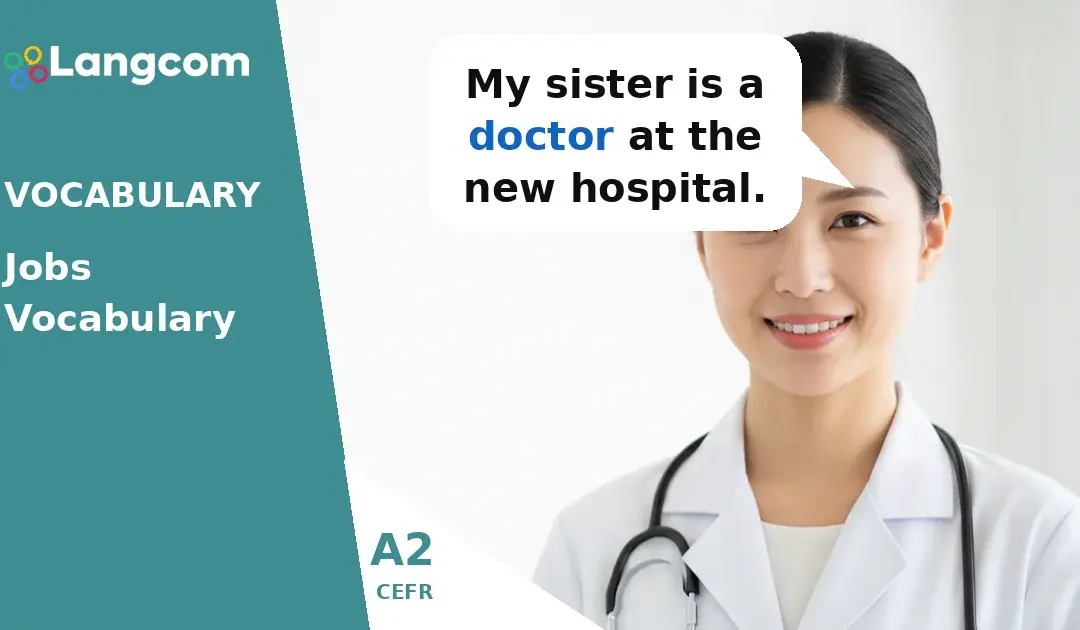
Learning English vocabulary for jobs helps you talk about what people do every day. This is important for simple conversations and understanding others. You will learn words for common professions like doctor, nurse, chef, and farmer. Knowing these words helps you...

por Raúl | 10 de septiembre de 2026 | A2 Key (KET)
May and might are modal verbs we use to talk about things that are possible in the present or future. They show that we are not 100% sure something will happen or is true. Think of them like saying “perhaps” or “it’s possible.” For...
por Raúl | 10 de septiembre de 2026 | A2 Key (KET)
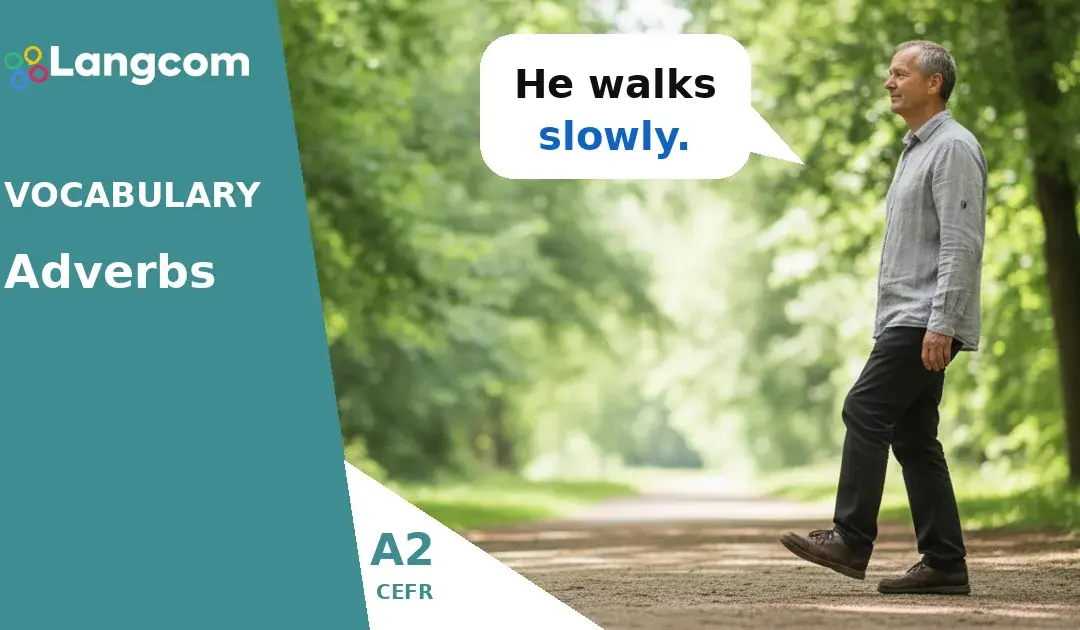
Adverbs are words that describe verbs, adjectives, or other adverbs. They give us more information about an action or a quality. Adverbs tell us how, when, where, or to what extent something happens. Most adverbs are formed by adding -ly to an adjective, like quick...

por Raúl | 10 de septiembre de 2026 | A2 Key (KET)
The Present Perfect with ‘for’ and ‘since’ helps us talk about actions or situations that started in the past and are still true or continuing now. This is a key grammar point for A2 English learners. We use for to describe a *period of time* –...
