por Raúl | Sep 26, 2026 | B1 Preliminary (PET)
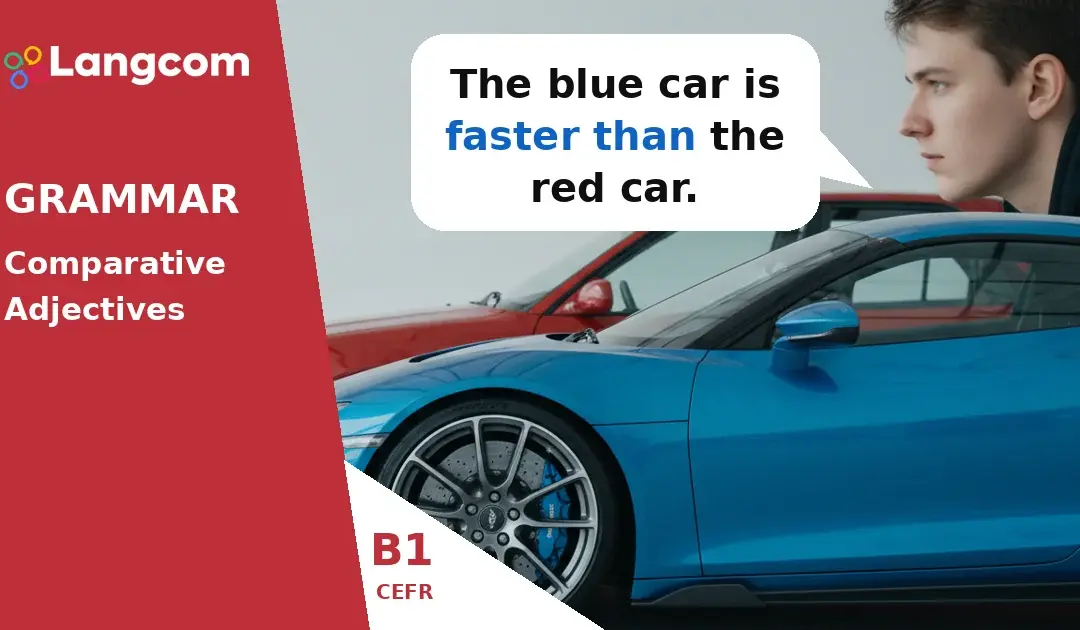
Comparative and superlative adjectives help you compare people, places, or things in English. You use comparative adjectives to show a difference between two items, like My car is faster than yours. They usually end in -er for short adjectives (e.g., taller) or use...

por Raúl | Sep 26, 2026 | B1 Preliminary (PET)
The main difference is that travel is usually a verb meaning to go from one place to another, or an uncountable noun for the general activity, while journey and trip are both countable nouns describing specific movements. A journey focuses on the act of moving from...

por Raúl | Sep 26, 2026 | B1 Preliminary (PET)
Describing your holiday activities in English is easy when you know the right vocabulary! At B1 level, you can talk about many different things you do on a trip, from relaxing on the beach to exploring new cities. This vocabulary helps you share your travel...

por Raúl | Sep 26, 2026 | B1 Preliminary (PET)
To talk about hobbies and free time activities in English, you often use the verbs do, play, or go, depending on the type of activity. For example, you play games like chess, go with activities ending in -ing like cycling or camping, and do for general activities or...

por Raúl | Sep 20, 2026 | B1 Preliminary (PET)
Learning vocabulary for buildings and places is essential for B1 English learners to describe their environment and daily activities with confidence. These words help you talk about where you live, where you go to study or shop, and where you spend your free time. For...
por Raúl | Sep 20, 2026 | B1 Preliminary (PET)
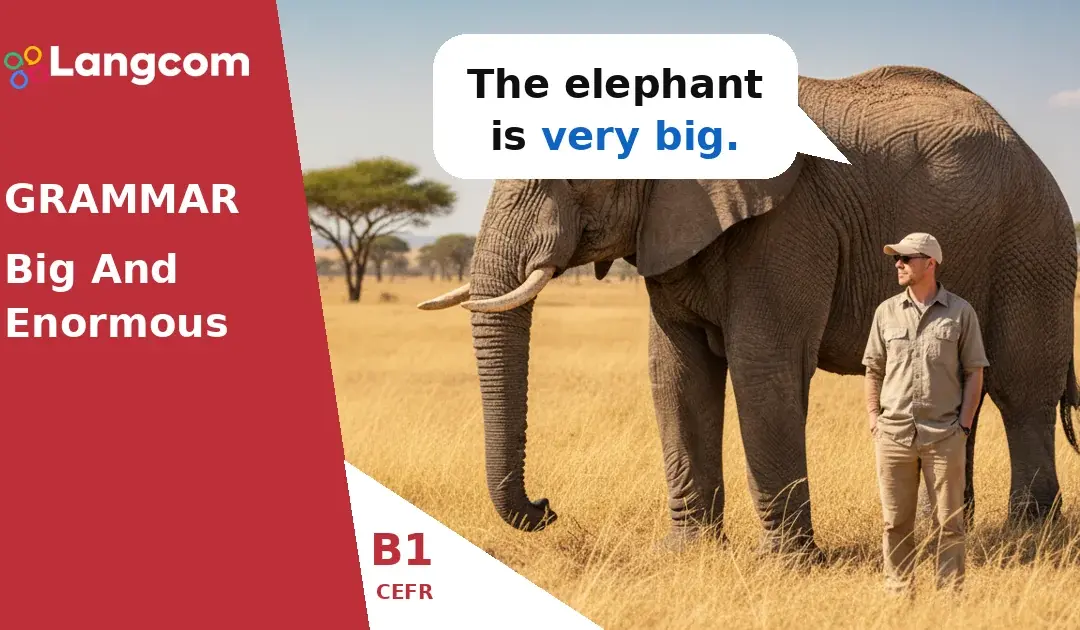
Gradable adjectives describe qualities that can have different levels or intensities, while non-gradable (or extreme) adjectives describe qualities that are absolute and cannot be made stronger or weaker. For example, big is a gradable adjective because something can...
