por Raúl | Sep 11, 2026 | B1 Inglés Intermedio
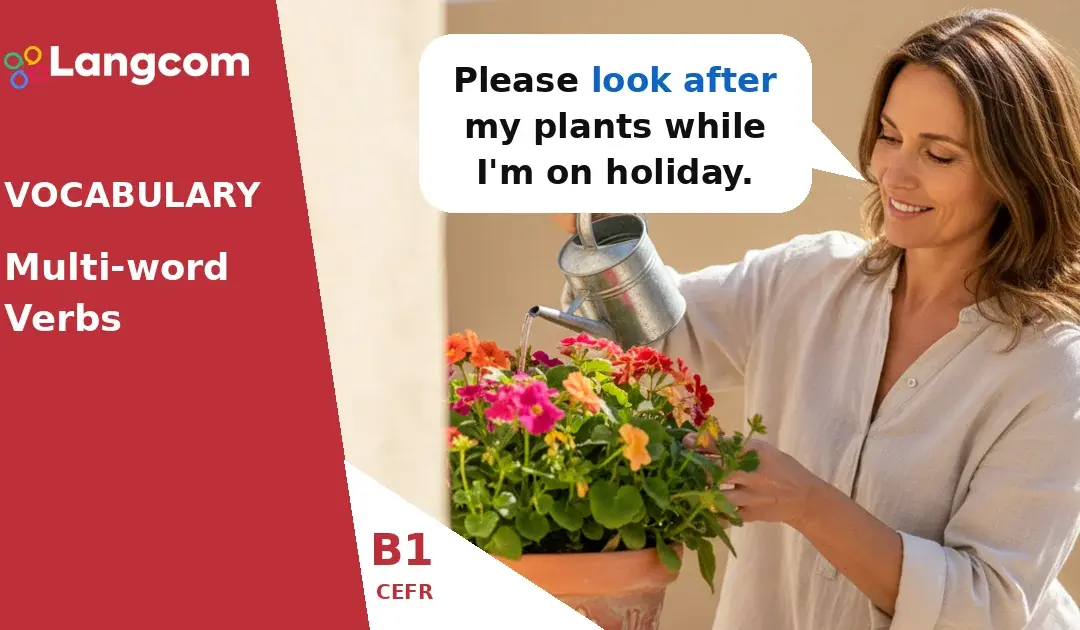
Multi-word verbs are combinations of a verb and one or two small words (prepositions or adverbs) that create a new meaning, often very different from the original verb alone. They are essential for speaking and understanding natural English, especially at B1 level and...
por Raúl | Sep 11, 2026 | B1 Inglés Intermedio
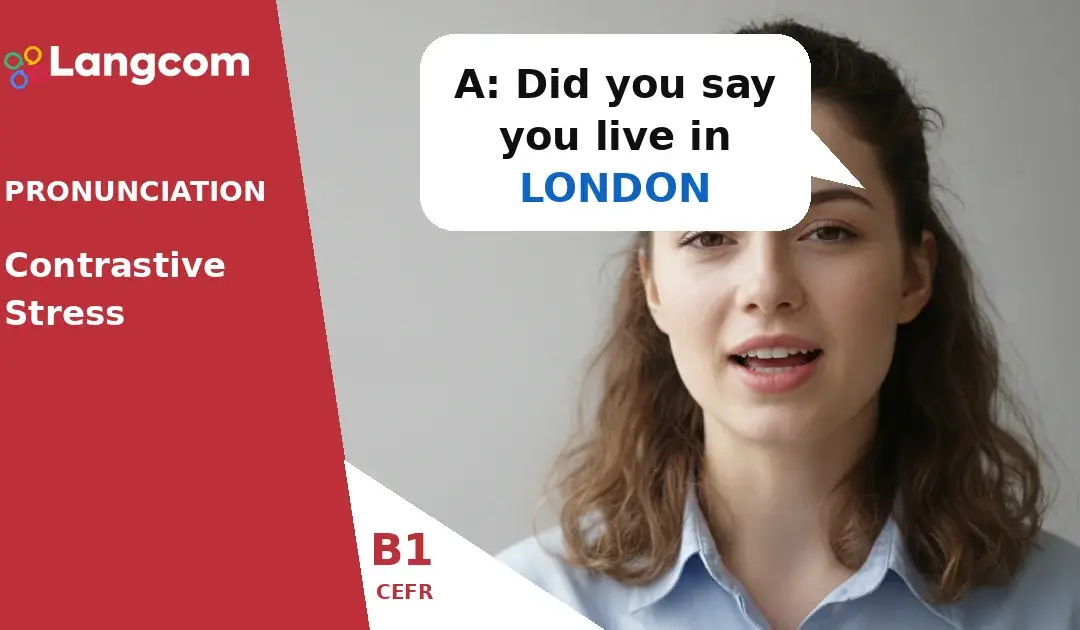
Contrastive stress is when you put extra emphasis on a specific word in a sentence to correct information or show a difference. This type of stress helps you make your meaning very clear, especially when you are disagreeing with someone or providing new, important...
por Raúl | Sep 11, 2026 | B2 Inglés intermedio alto
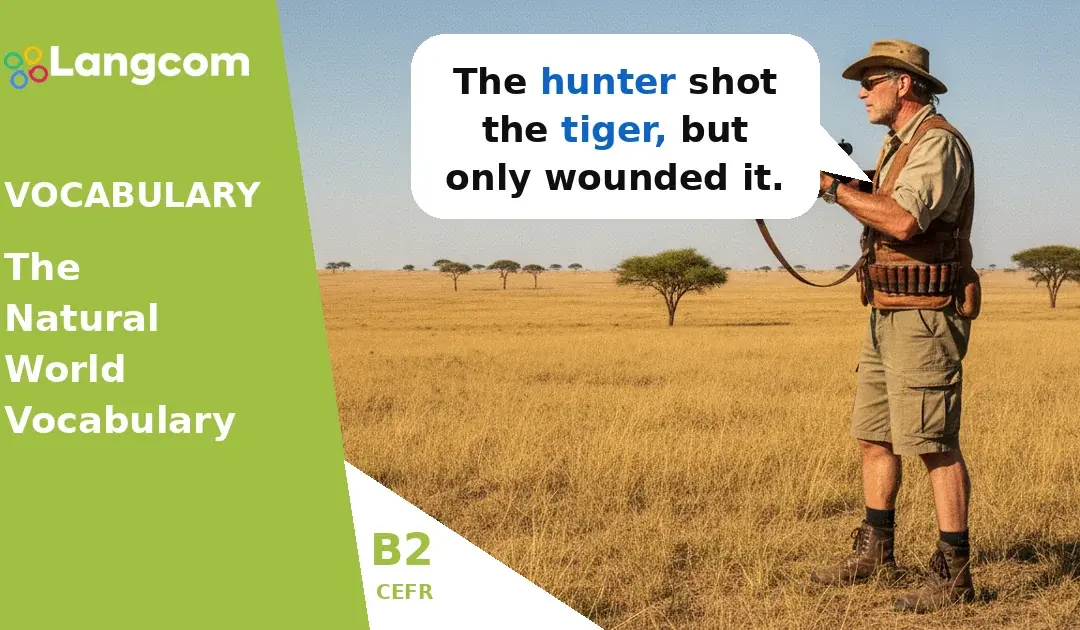
Understanding the verbs shoot, wound, attack, and kill is crucial for describing actions of conflict and injury in English. These B2-level verbs describe a sequence of events, from initiating violence to causing harm or death. To shoot means to fire a weapon, which...
por Raúl | Sep 11, 2026 | B2 Inglés intermedio alto
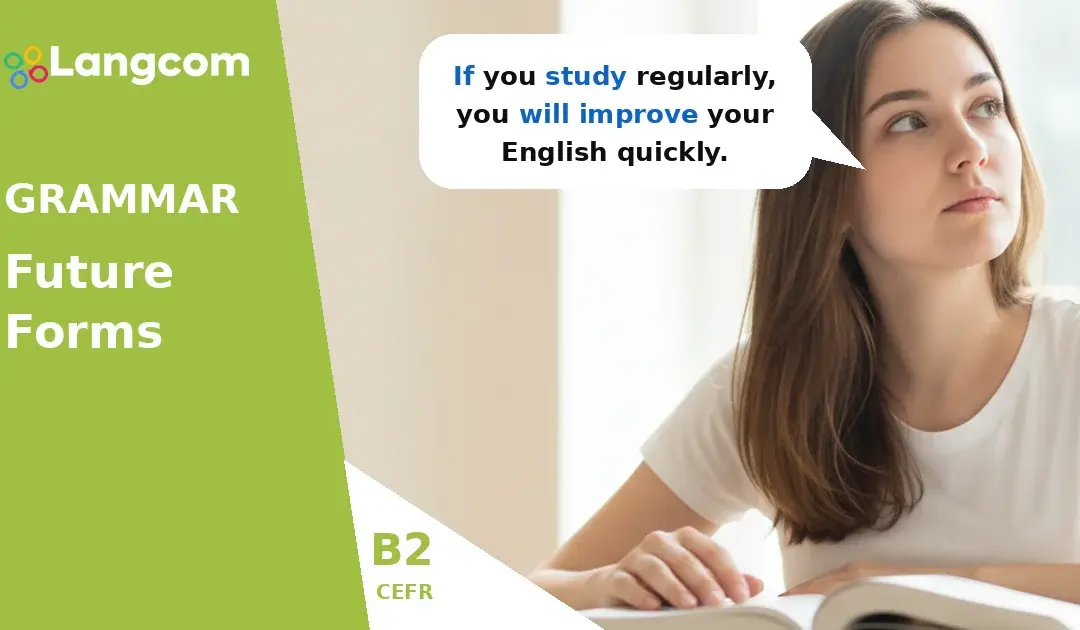
Future time clauses and conditionals help you talk about future events, plans, and possibilities in English by linking a condition or time to a future action. The most important rule is to use a present simple verb in the clause that starts with words like if, when,...
por Raúl | 10 de septiembre de 2026 | B2 Inglés intermedio alto
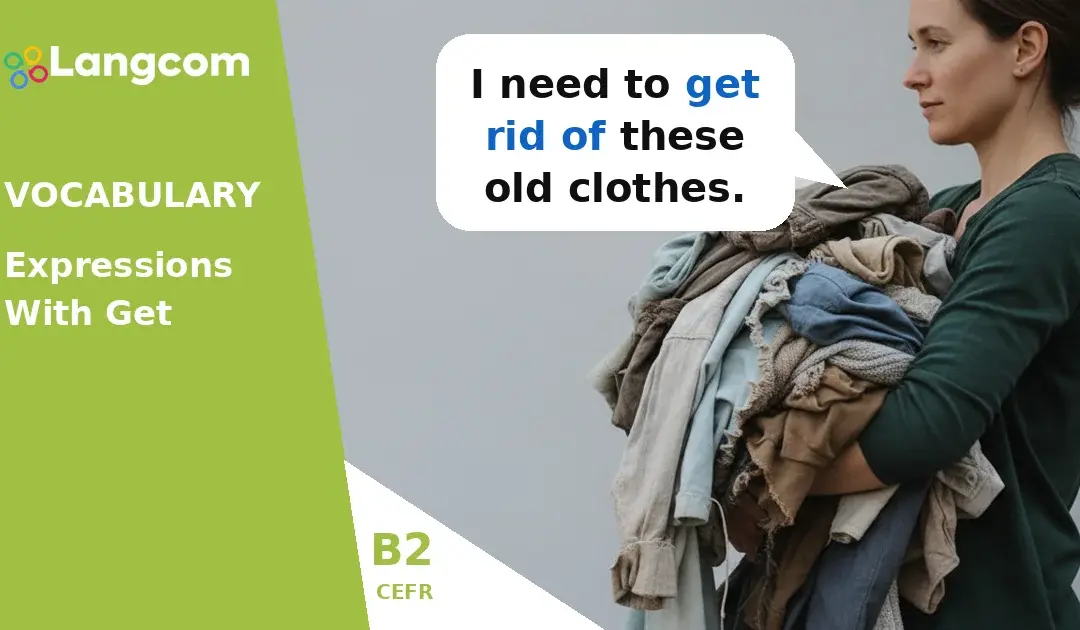
El verbo «get» es uno de los verbos más versátiles y comunes del inglés, sobre todo en la conversación cotidiana. Se combina con muchas preposiciones y adverbios para formar verbos compuestos y expresiones idiomáticas. Estas expresiones suelen tener significados muy diferentes de los...
