por Raúl | 13 de septiembre de 2026 | C1 Advanced Español
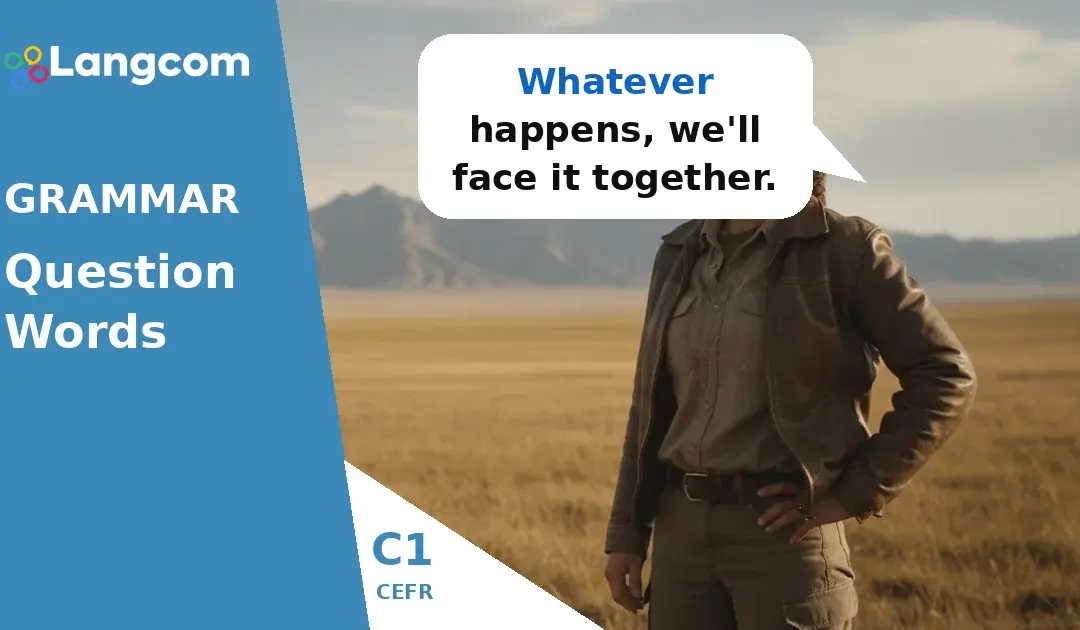
-Ever words like whatever, whoever, and however are powerful C1 English tools that express indifference, uncertainty, or generality, rather than asking a direct question. They combine a question word (who, what, when, where, which, how) with the suffix -ever. These...

por Raúl | 13 de septiembre de 2026 | C1 Advanced Español
Cleft sentences are special grammatical structures used to add emphasis to a specific part of a sentence, making your communication clearer and more impactful in English. They allow you to highlight new or important information, drawing the listener’s or...
por Raúl | 13 de septiembre de 2026 | C1 Advanced Español
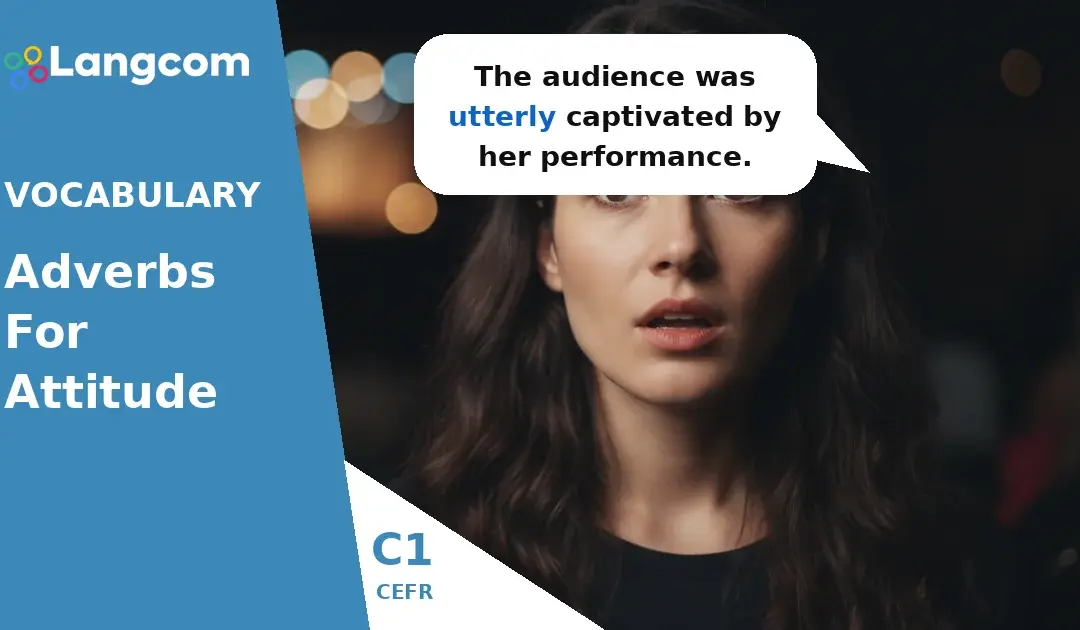
Adverbs of attitude and intensity are powerful C1 tools that modify adjectives, adding nuance, emphasis, or a specific perspective to your descriptions. These adverbs go beyond simple intensifiers like “very” to express a precise degree or feeling, making...

por Raúl | 13 de septiembre de 2026 | Pre A1 Starters
Los adjetivos posesivos «his», «her» y «their» nos indican quién es el dueño de algo o a quién pertenece. Se utiliza «his» cuando el dueño es un hombre o un niño. Se utiliza «her» cuando el dueño es una mujer o una niña. Y se utiliza «their» cuando los dueños son dos o más personas, o un grupo. Estos...
por Raúl | 12 de septiembre de 2026 | Pre A1 Starters
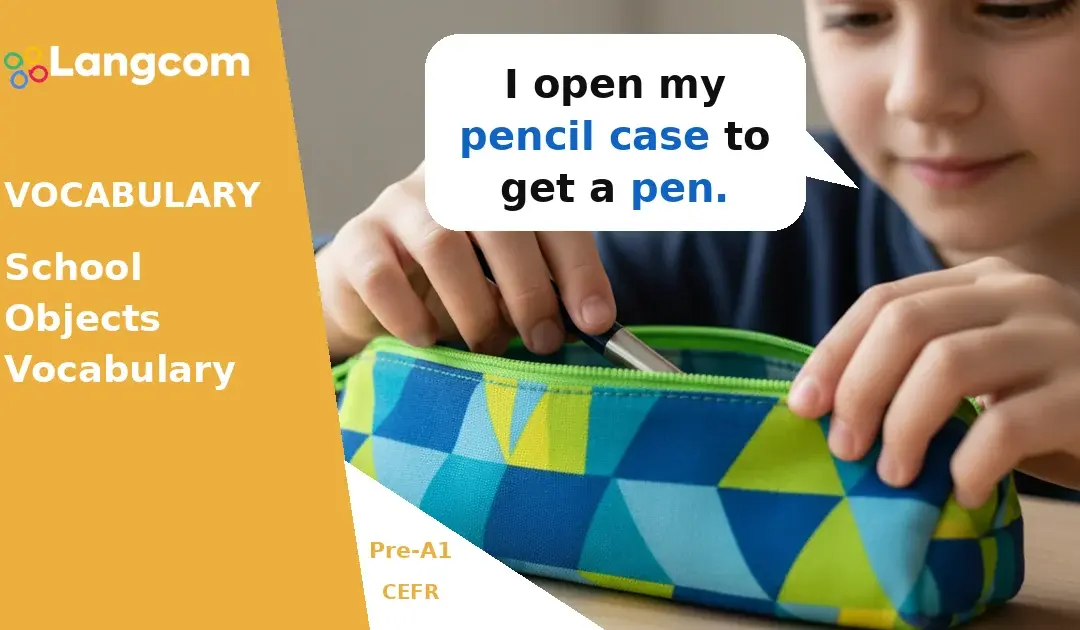
«Case» y «board» son palabras comunes en inglés que, al combinarse con otras, forman nuevos sustantivos para referirse a artículos escolares y mobiliario. Se denominan sustantivos compuestos. Nos ayudan a nombrar cosas como el lugar donde guardamos los lápices o donde escribimos en clase. Un «case» es un recipiente, como una caja...
