
por Raúl | 10 de septiembre de 2026 | B1 Inglés Intermedio
Learning collocations is key to sounding natural in English, especially when talking about education. Collocations are words that often go together, like take notes, not “make notes.” For B1 learners, mastering these common phrases about studying, exams,...
por Raúl | 10 de septiembre de 2026 | B1 Inglés Intermedio
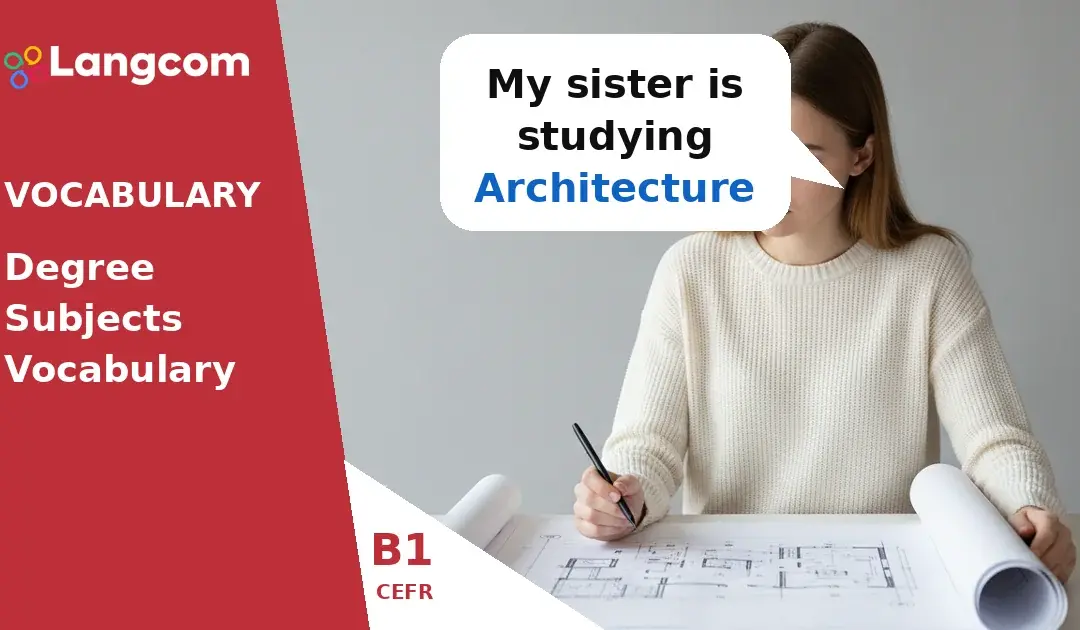
Understanding vocabulary for degree subjects is essential for B1 English learners to discuss education and future plans clearly. These words describe the specific areas of study you can pursue at a university or college to earn a degree. For example, you might study...
por Raúl | 10 de septiembre de 2026 | A2 Key (KET)
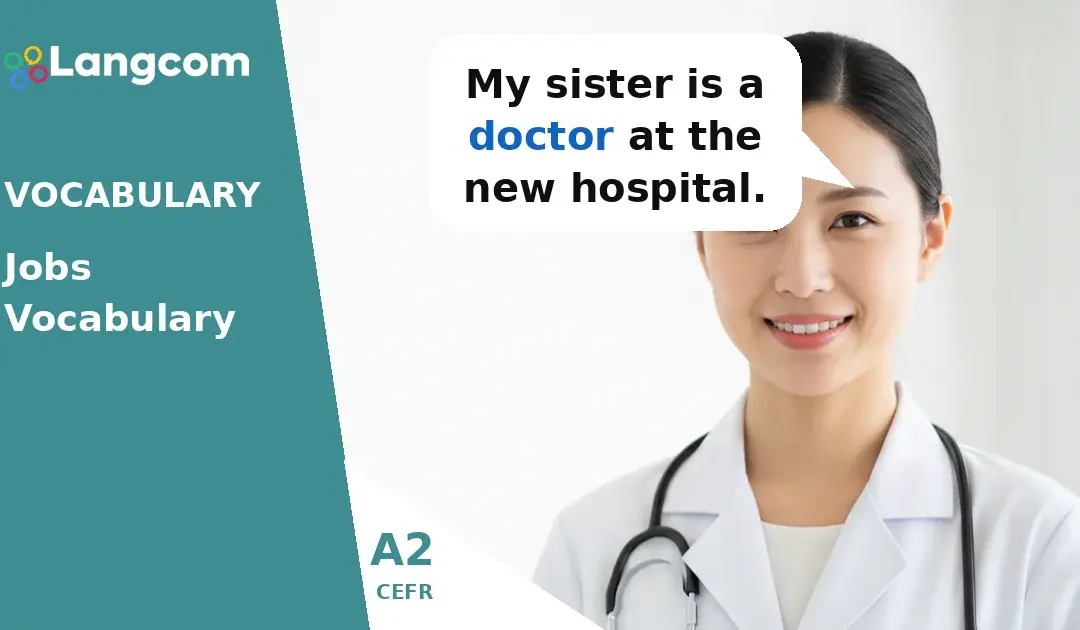
Learning English vocabulary for jobs helps you talk about what people do every day. This is important for simple conversations and understanding others. You will learn words for common professions like doctor, nurse, chef, and farmer. Knowing these words helps you...

por Raúl | 10 de septiembre de 2026 | A2 Key (KET)
May and might are modal verbs we use to talk about things that are possible in the present or future. They show that we are not 100% sure something will happen or is true. Think of them like saying “perhaps” or “it’s possible.” For...
por Raúl | 10 de septiembre de 2026 | A2 Key (KET)
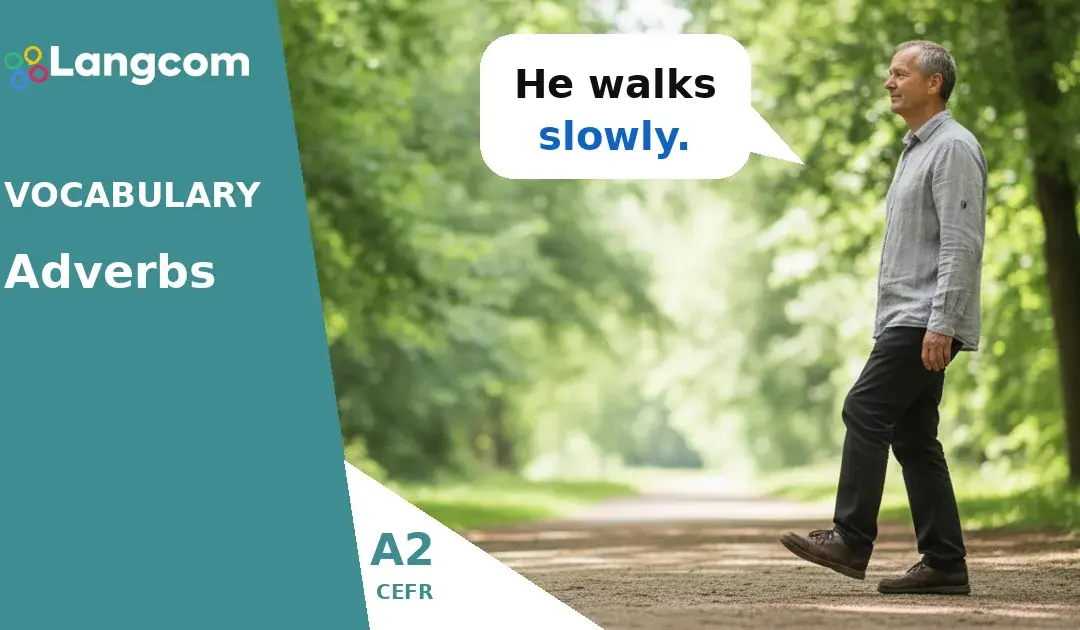
Adverbs are words that describe verbs, adjectives, or other adverbs. They give us more information about an action or a quality. Adverbs tell us how, when, where, or to what extent something happens. Most adverbs are formed by adding -ly to an adjective, like quick...
