por Raúl | Sep 25, 2026 | A1: Inglés para niños principiantes
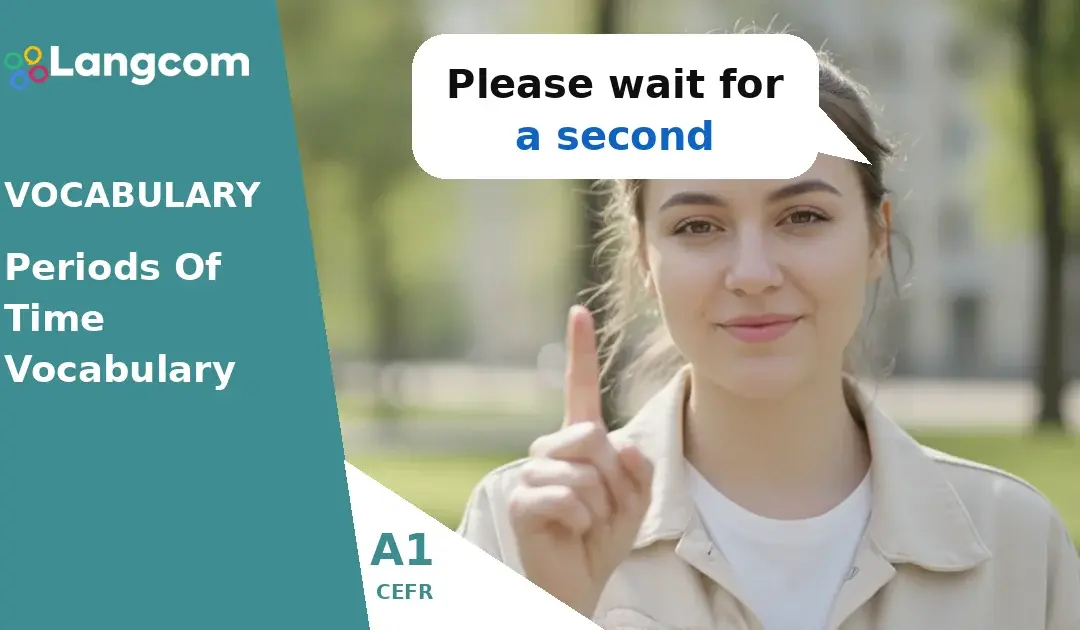
Learning words for periods of time helps you talk about when things happen and how long things last. These words describe different durations, from very short moments like a second to very long ones like a century. Knowing this vocabulary is essential for daily...
por Raúl | Sep 24, 2026 | A1: Inglés para niños principiantes
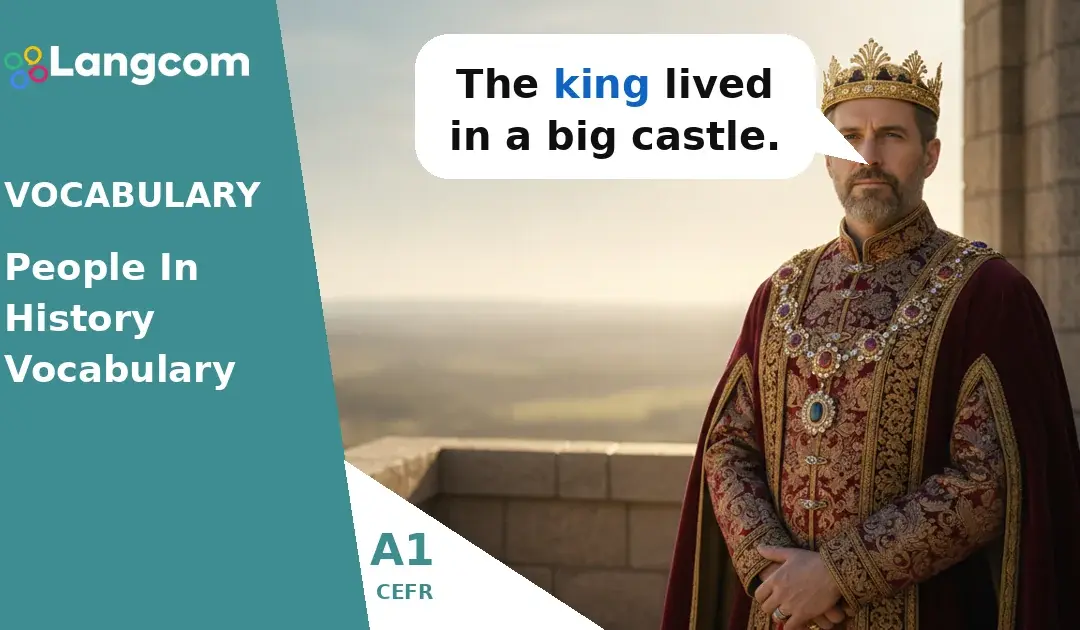
Learning vocabulary about people in history helps you talk about the past and understand stories. These words describe important roles and jobs from different times. For example, a king or queen rules a country, while a soldier fights to protect it. In ancient Egypt,...
por Raúl | Sep 24, 2026 | A1: Inglés para niños principiantes
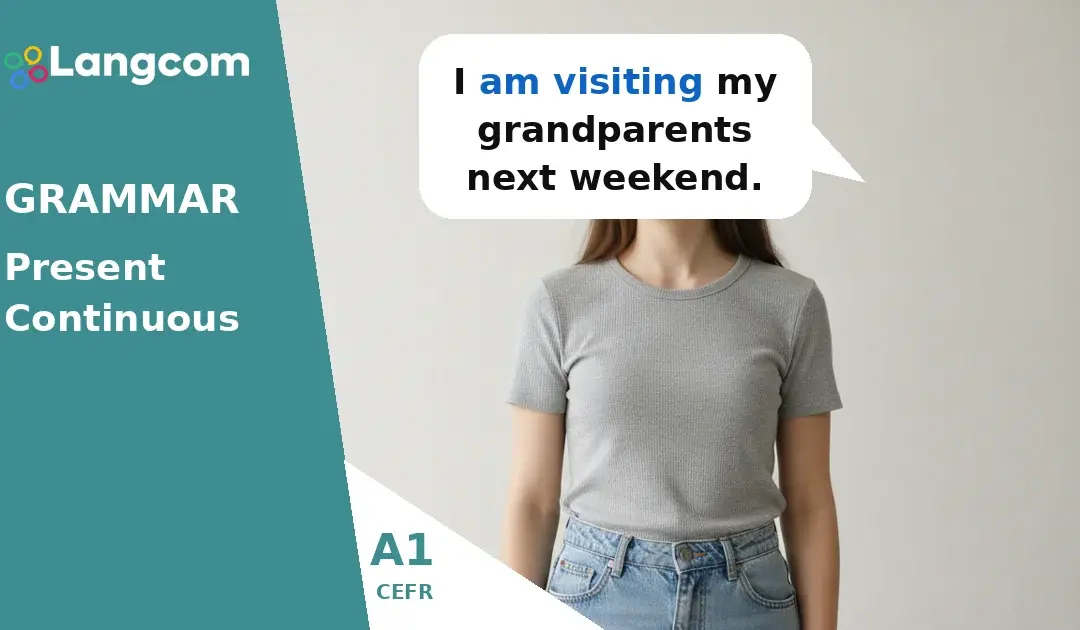
You can use the present continuous tense to talk about future plans and arrangements that are already decided. This is a very common and natural way to speak about the future in English, especially for personal plans and confirmed events. Think of it like a calendar...
por Raúl | Sep 24, 2026 | A1: Inglés para niños principiantes
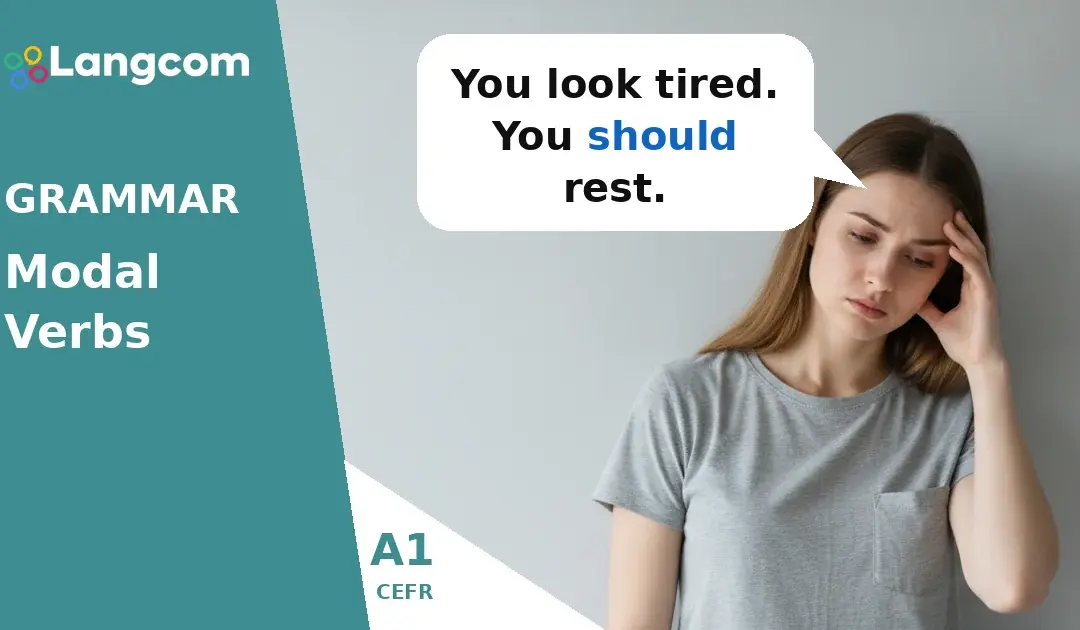
Should and shouldn’t are modal verbs we use to give advice, make suggestions, or say what is a good or bad idea. Think of them as gentle recommendations. We use should when something is a good idea or helpful. For example, You should eat healthy food. This means...

por Raúl | Sep 24, 2026 | C1 Advanced (CAE)
The passive voice is a key grammatical structure in C1 English, used to shift focus from the doer of an action to the action itself or its recipient. It is formed with a form of the verb ‘be’ + the past participle of the main verb. This construction is...
