
por Raúl | 2 de agosto de 2026 | Inglés para principiantes (nivel A1)
‘A’, ‘An’, ‘Some’, and ‘Any’ are small but very important words in English. They tell us about the quantity of nouns. We use a and an for singular countable nouns when we talk about one thing. For example, a book or an...
por Raúl | 2 de agosto de 2026 | Inglés para principiantes (nivel A1)
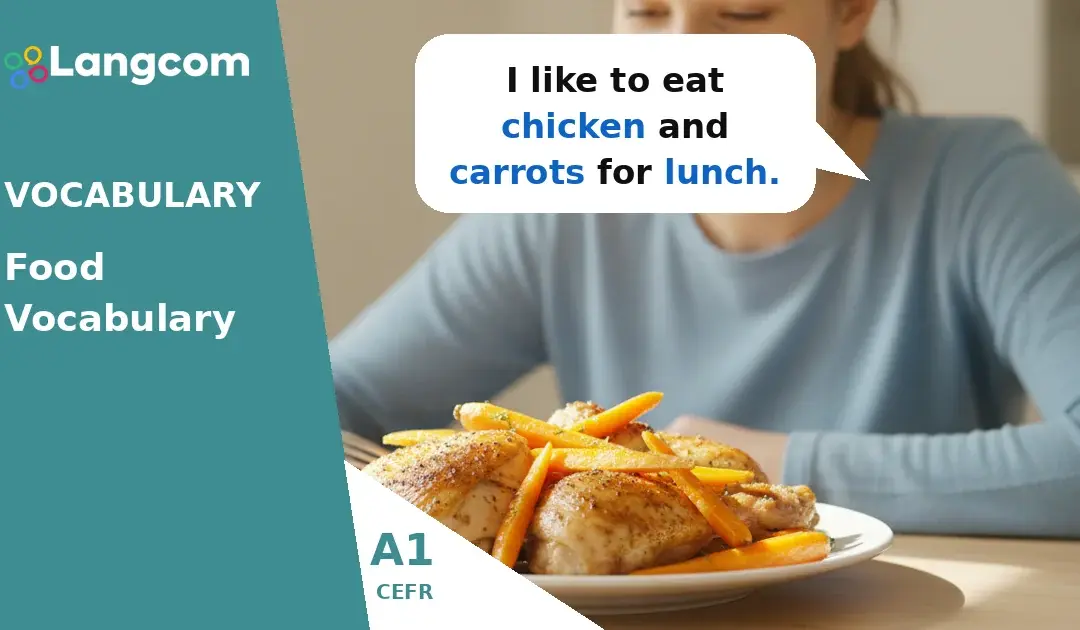
Learning basic food vocabulary is **very important for A1 English learners.** It helps you talk about what you like to eat, order food in a restaurant, or buy groceries. In English, we have many words for different types of food, including meats like chicken and...
por Raúl | 2 de agosto de 2026 | Inglés para principiantes (nivel A1)
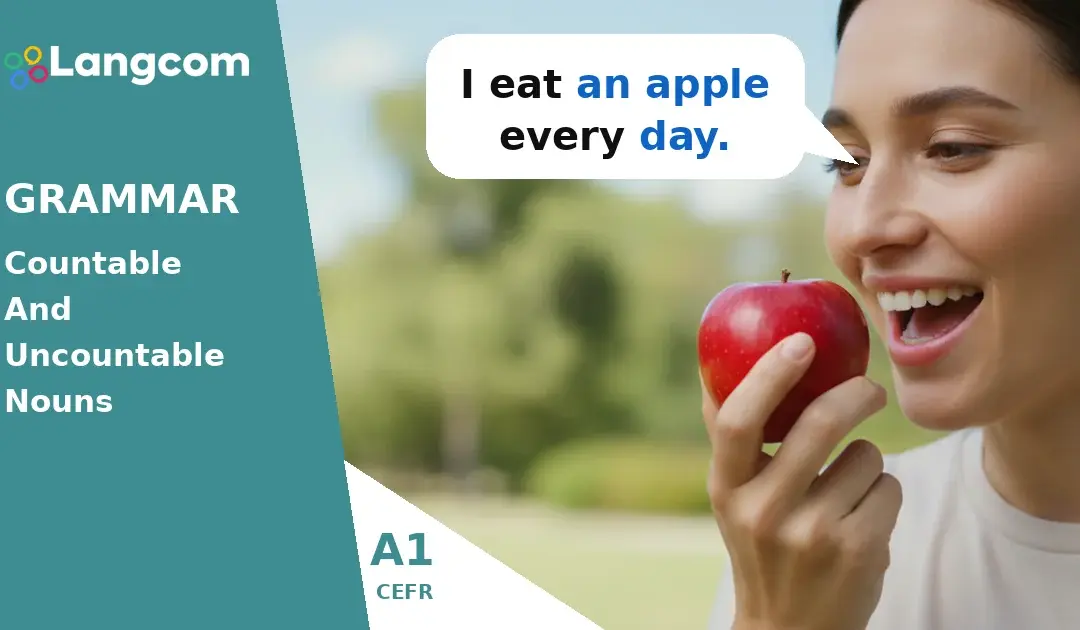
Countable nouns are things you can count, like one apple, two apples. They have singular and plural forms and can be used with numbers. Uncountable nouns are things you cannot count individually, like water or information. They usually have only one form and do not...
por Raúl | 2 de agosto de 2026 | Inglés para principiantes (nivel A1)
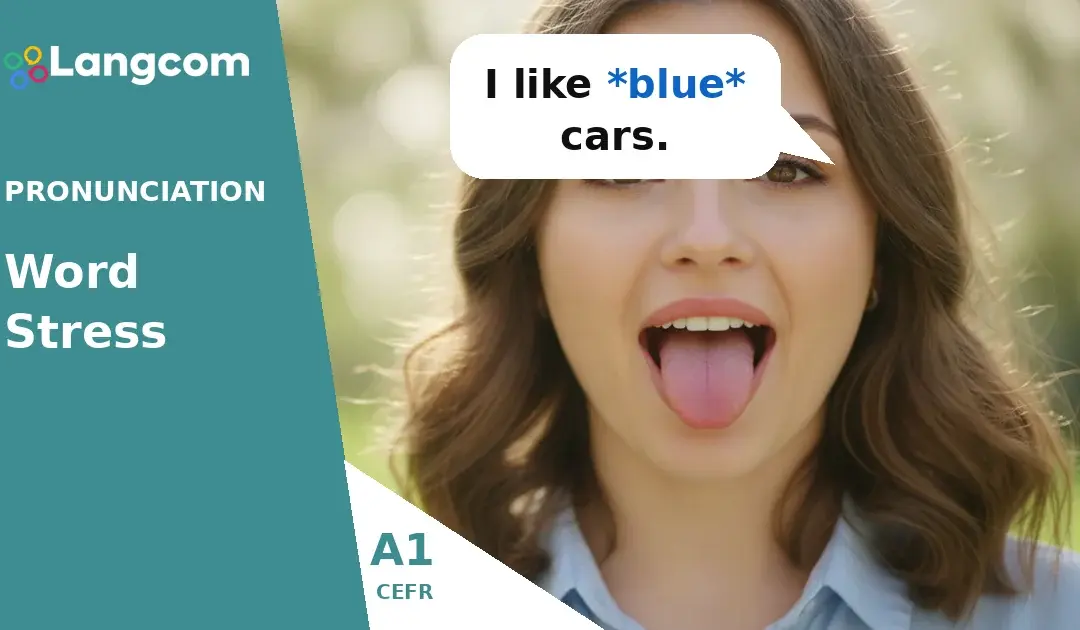
In English, we stress the most important word in a sentence to make our meaning clear. This means one word sounds louder, longer, and higher in pitch than the others. This is called main stress or sentence stress. It helps listeners understand the key information you...
por Raúl | 2 de agosto de 2026 | A0 Inglés para principiantes: niños
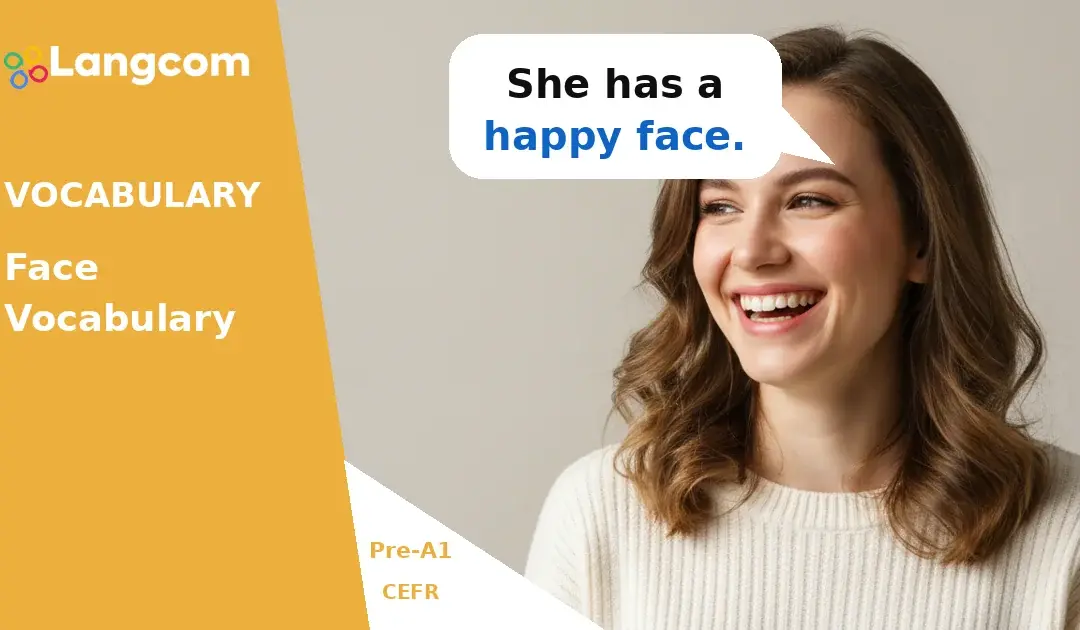
The face is the front part of your head. It helps you see, smell, eat, and hear. Learning the words for parts of the face is very important for basic English communication. You use your eyes to see, your nose to smell, and your mouth to eat and speak. Your ears help...
