por Raúl | Jul 17, 2026 | Inglés para niños: nivel pre-A1 (principiantes)
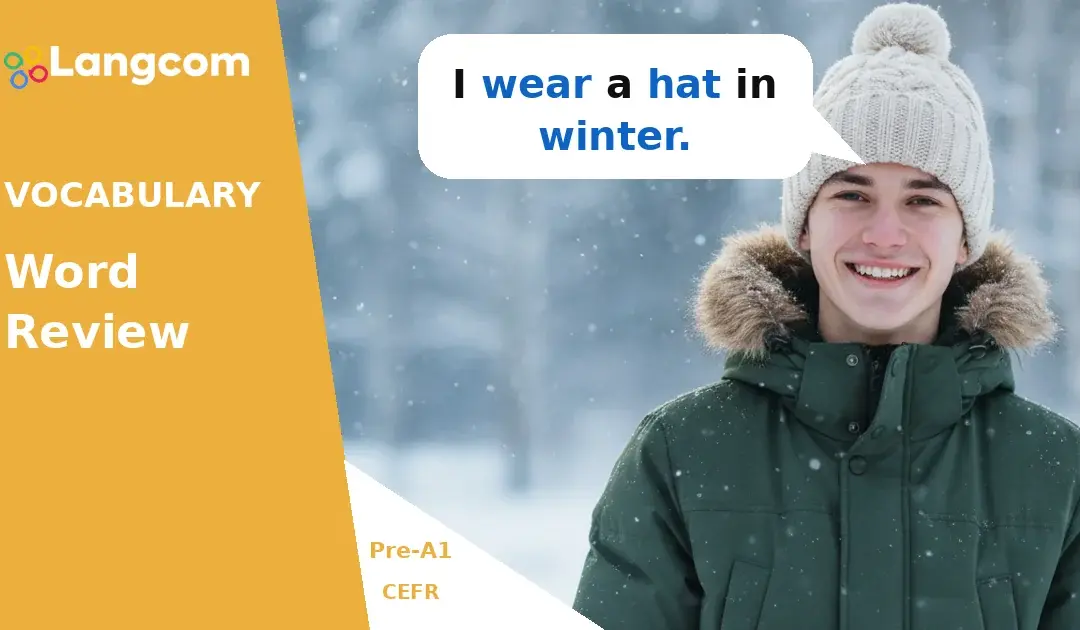
Learning English clothing words helps you talk about what you wear every day and understand others. These words are very important for describing yourself, your friends, and even people you see in pictures. For example, you can say I wear a shirt and trousers, or She...
por Raúl | Jul 17, 2026 | Inglés para niños: nivel pre-A1 (principiantes)
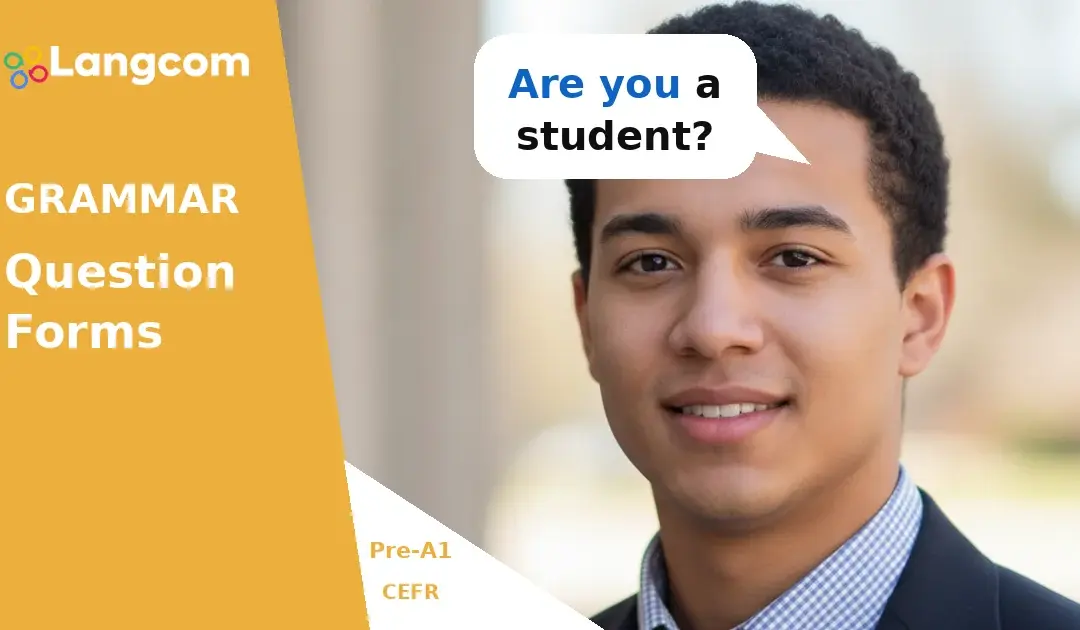
To ask a simple yes/no question in English, you usually change the order of words. Instead of “Subject + Verb,” you put the verb or an auxiliary verb (like do, can, have) before the subject. For example, if you want to ask about someone’s happiness,...
por Raúl | Jul 17, 2026 | Inglés para principiantes (nivel A1)
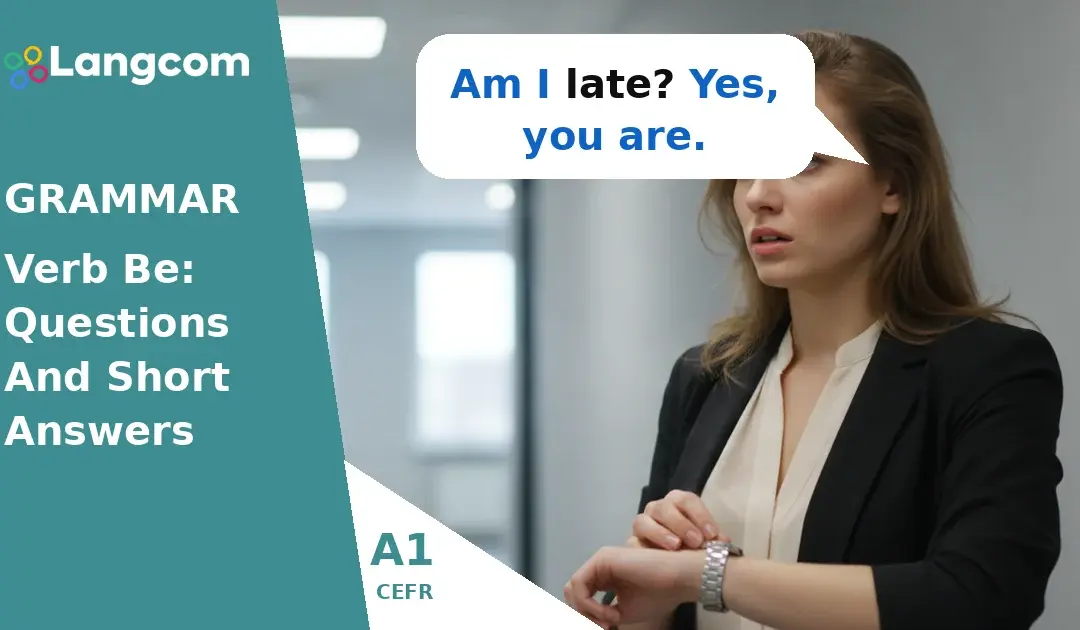
To ask a question with the verb be in English, you simply change the word order: put be before the subject. For example, instead of You are happy., you say Are you happy? This simple inversion is key for all be questions. When answering these questions, use short...
por Raúl | Jul 17, 2026 | Inglés para principiantes (nivel A1)
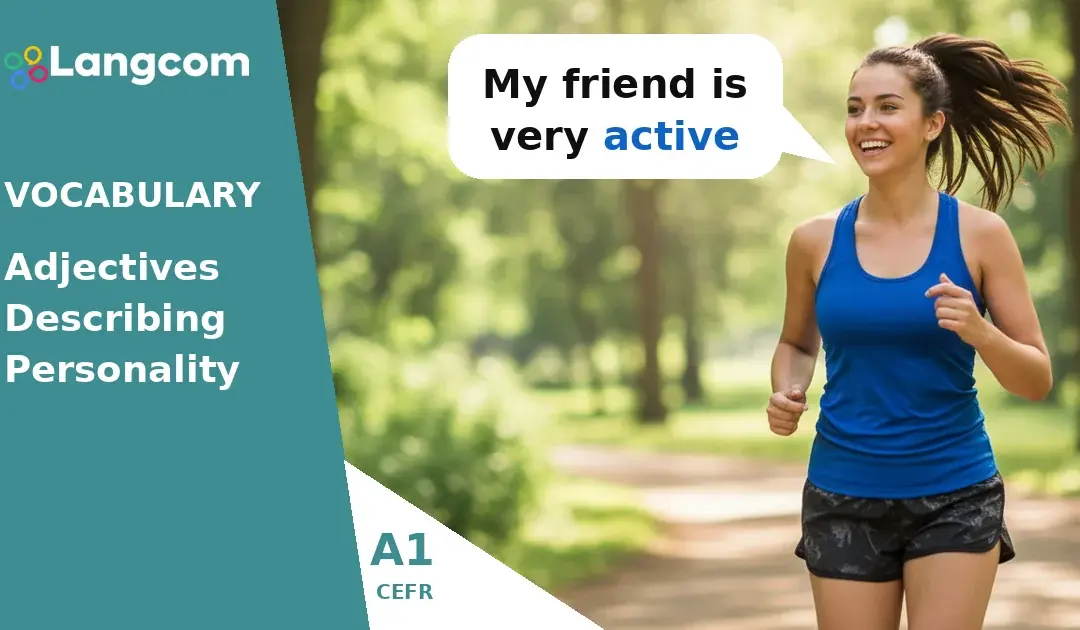
Personality adjectives help you describe how people act and feel. These words are very useful for talking about yourself, your friends, and family in English. For example, if someone likes to meet new people and go to parties, they are sociable. If someone talks a...
por Raúl | 16 de julio de 2026 | Inglés para principiantes (nivel A1)
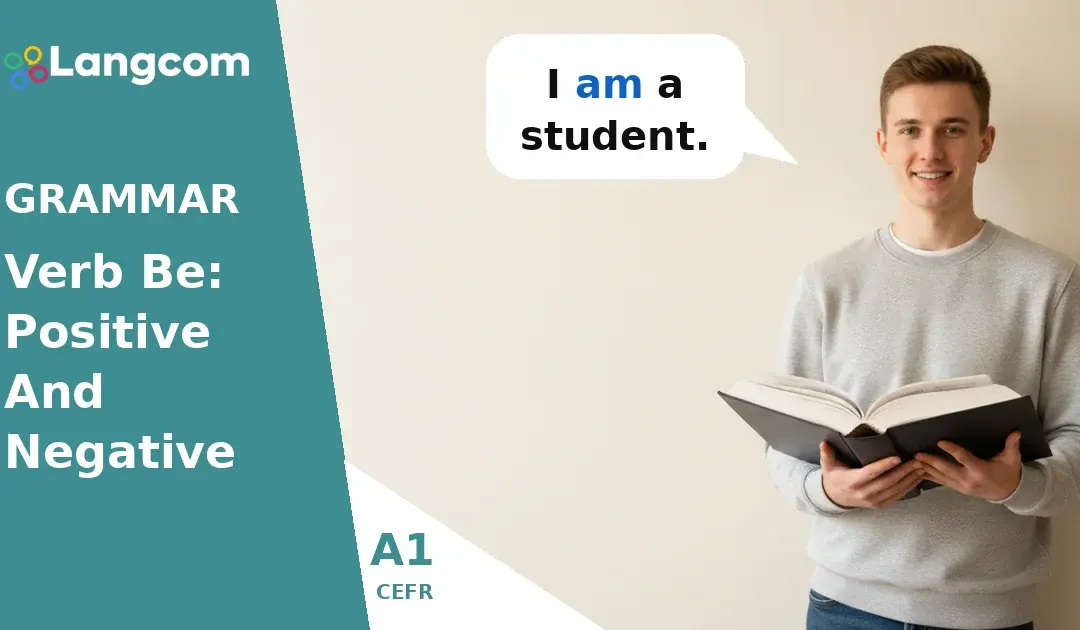
El verbo ‘be’ es uno de los verbos más importantes del inglés. Nos ayuda a hablar de quiénes somos, dónde estamos y cómo son las cosas. En inglés, ‘be’ equivale tanto a «ser» como a «estar» en español. Cambia de forma según el sujeto: «am» para...
