by Raúl | Sep 7, 2026 | A2 Key (KET)
The schwa sound, written as /ə/, is the most common vowel sound in English. It is a very short, relaxed, and unstressed sound, like a soft ‘uh’. You make it by relaxing your mouth and tongue, without moving them much. Think of it as the ‘lazy’...

by Raúl | Sep 7, 2026 | A2 Key (KET)
Comparative adverbs help us compare two actions, showing how one is performed differently or to a greater or lesser extent than another. They are crucial for expressing nuanced comparisons in English. For most short adverbs, like fast or hard, we simply add -er to the...
by Raúl | Sep 7, 2026 | A1 Beginner English
Adverbs of frequency tell us how often something happens. They include words like always, usually, often, sometimes, hardly ever, and never. These words usually go before the main verb in a sentence, for example, I always drink water. However, if the verb is to be...
by Raúl | Sep 7, 2026 | A1 Beginner English
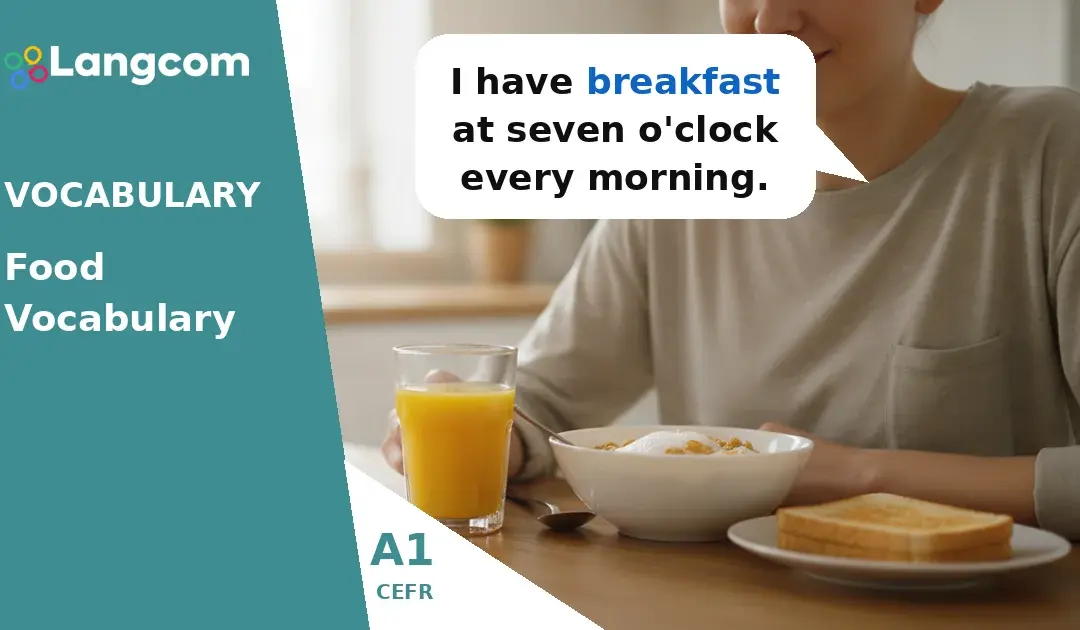
In English, we use specific words like breakfast, lunch, and dinner to talk about the main meals of the day. These words are very common in daily conversation and help you share information about your routine. To say you eat a meal, we usually use the verb have. For...
by Raúl | Sep 7, 2026 | A1 Beginner English
To ask questions in the Present Simple for subjects I, you, we, and they, you always start with the word Do. This is very important! After Do, you add the subject (like you or they), and then the main verb in its base form. For example, to ask about someone’s...
by Raúl | Sep 7, 2026 | A1 Beginner English
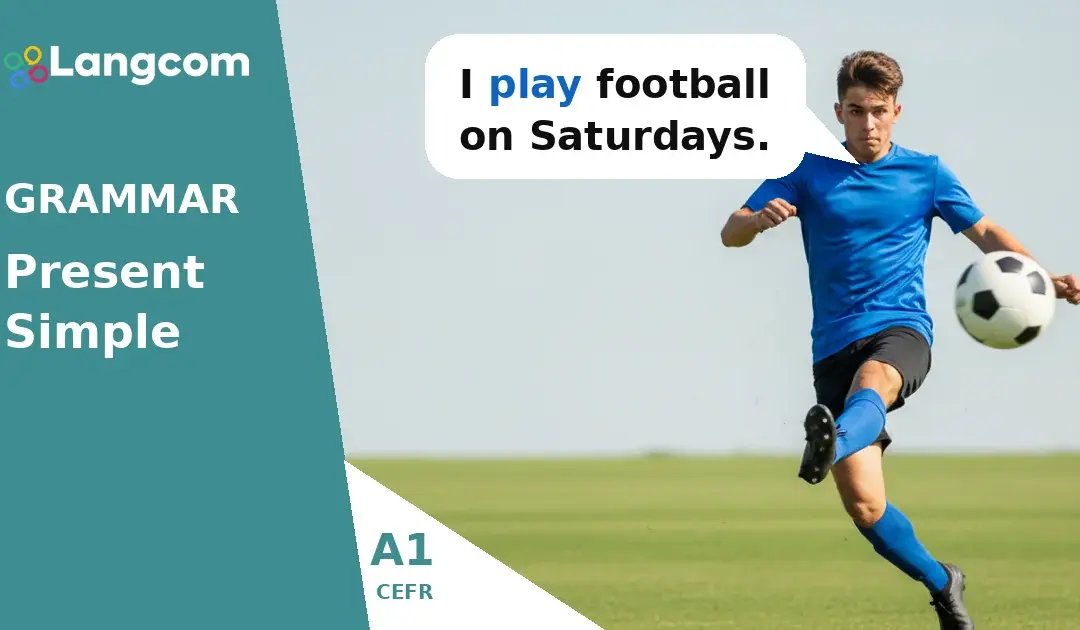
The Present Simple tense helps us talk about habits, routines, and facts that are always true. For example, I eat breakfast every day. This tense is very important for A1 English learners because it describes things that happen regularly or are always true. You use it...
