
by Raúl | Jul 18, 2026 | A1 Beginner English
The Present Simple describes actions that happen regularly, habits, or general facts. It helps us talk about daily routines, things we do often, and universal truths. For positive sentences, we use the base form of the verb for I, you, we, they. For he, she, it, we...
by Raúl | Jul 18, 2026 | A1 Beginner English
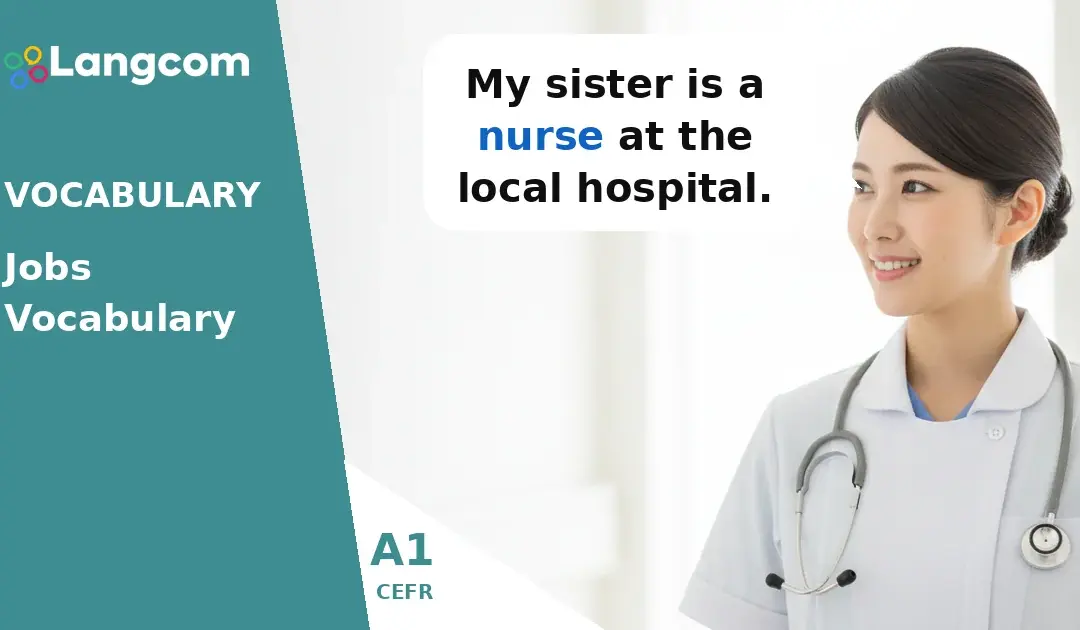
Learning English words for jobs helps you talk about what people do every day and understand others when they speak about their work. In this lesson, you will learn eight common job names like doctor, nurse, chef, cook, vet, farmer, zoo keeper, and carer. Knowing...
by Raúl | Jul 18, 2026 | A1 Beginner English
To tell the time in English clearly, focus on pronouncing numbers and key words like o’clock, past, and to. For exact hours, say It’s [number] o’clock. For example, It’s five o’clock. Remember to pronounce the ‘o’ in...
by Raúl | Jul 18, 2026 | A2 Basic English
When an English word ends with a consonant sound and the next word starts with a vowel sound, we often connect them without a pause. This makes English sound much smoother and faster, like one long word instead of many separate ones. For example, “an apple” often...
by Raúl | Jul 18, 2026 | A2 Basic English
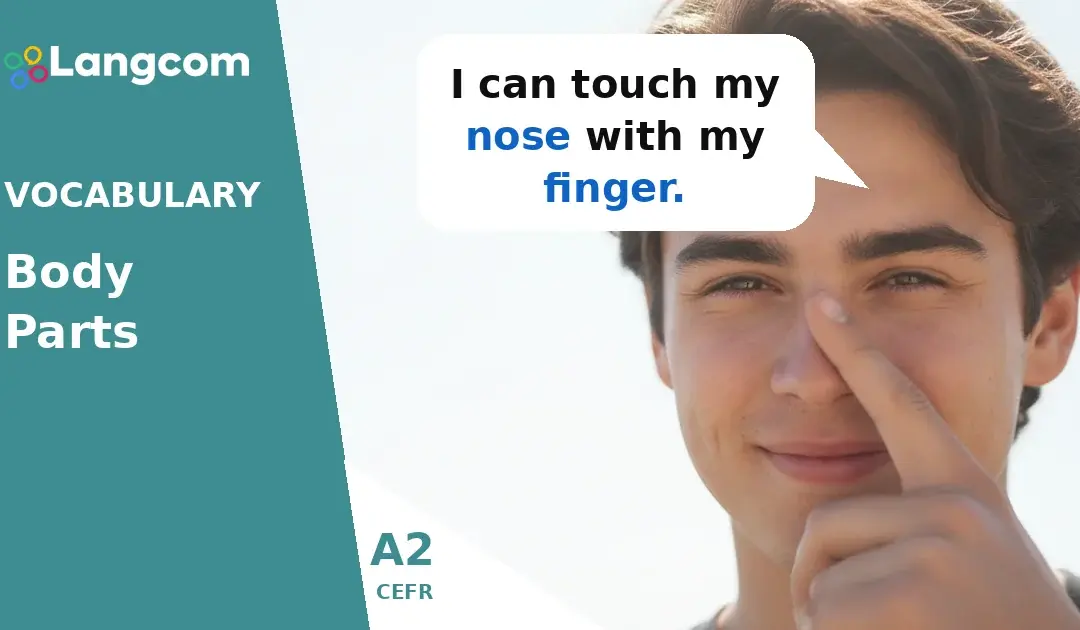
Learning the names of body parts in English is very important for everyday communication. You use these words to describe people, talk about health, and understand directions. For example, you might say I have a headache or She has long hair. Knowing words like head,...
by Raúl | Jul 18, 2026 | A2 Basic English
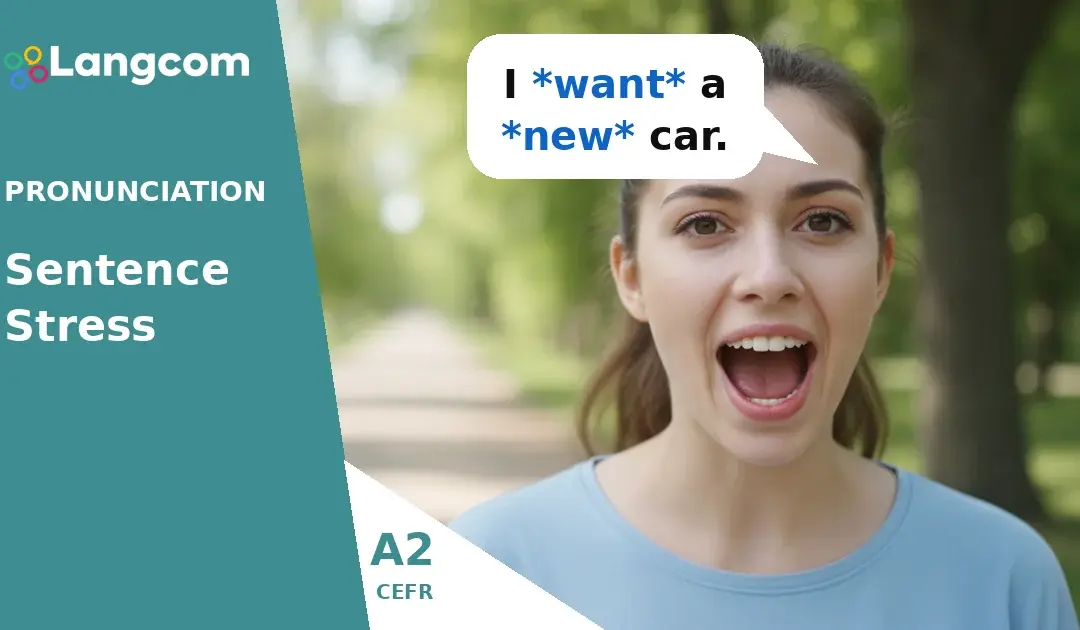
Sentence stress is about saying some words in a sentence more strongly than others. This makes your English sound natural and helps people understand your message clearly. When you stress a word, you say it louder, longer, and with a higher pitch. Not all words are...
