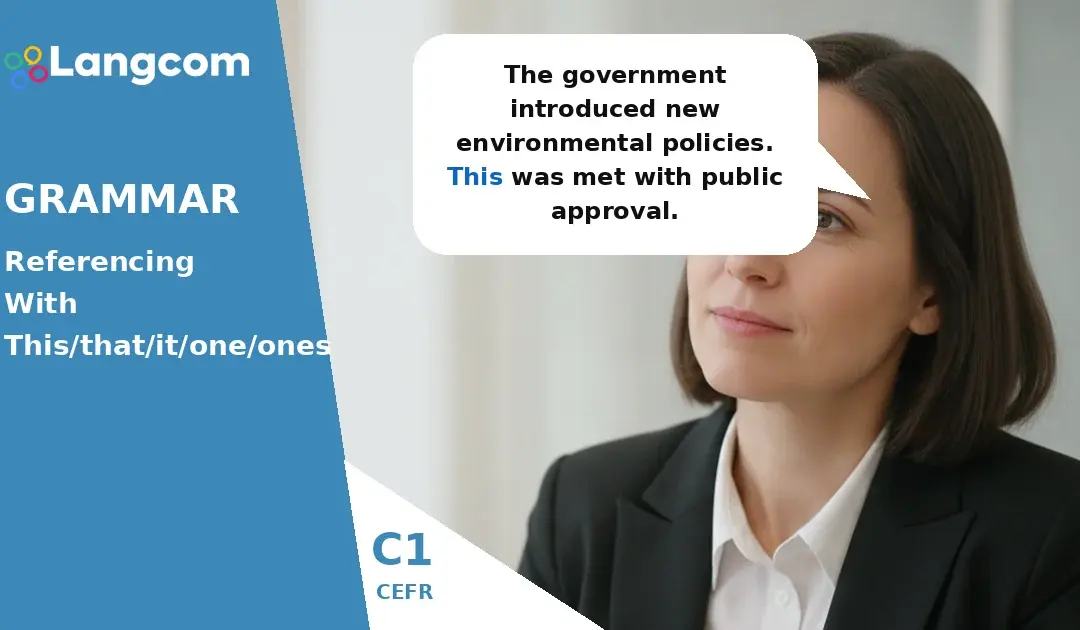
by Raúl | Sep 17, 2026 | C1 Advanced English
Referencing is a crucial C1 English skill that helps you avoid repetition and make your writing and speaking sound more natural and sophisticated. It involves using shorter words or phrases to refer back to something already mentioned (or sometimes forward to...
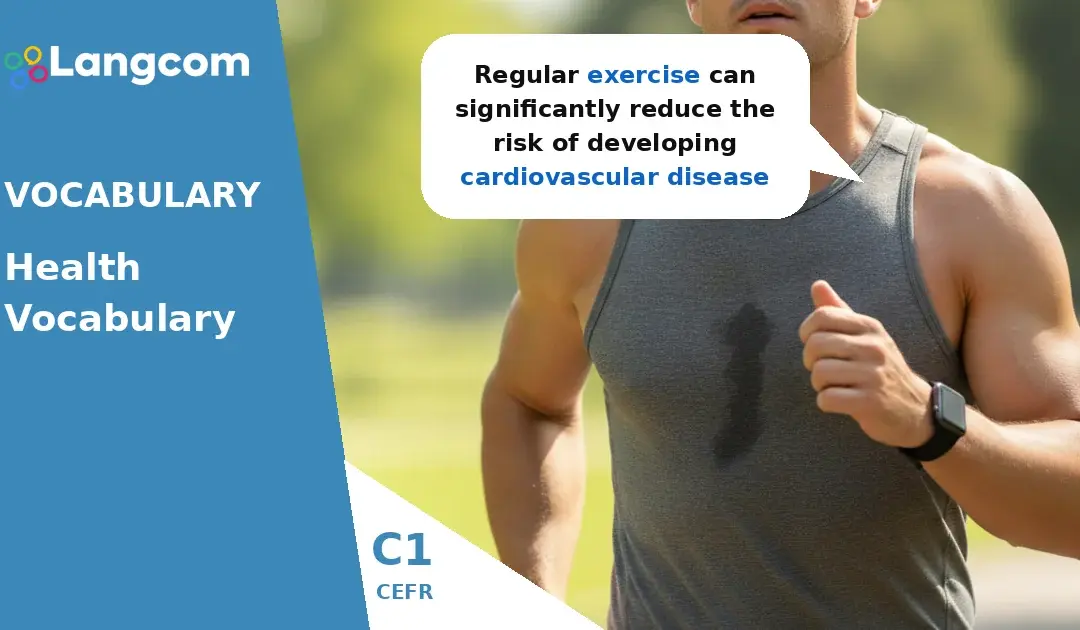
by Raúl | Sep 17, 2026 | C1 Advanced English
Mastering advanced health vocabulary is crucial for discussing complex medical topics and lifestyle choices with precision and confidence in English. At a C1 level, you move beyond basic terms to understand and use specialized language related to diseases, body...
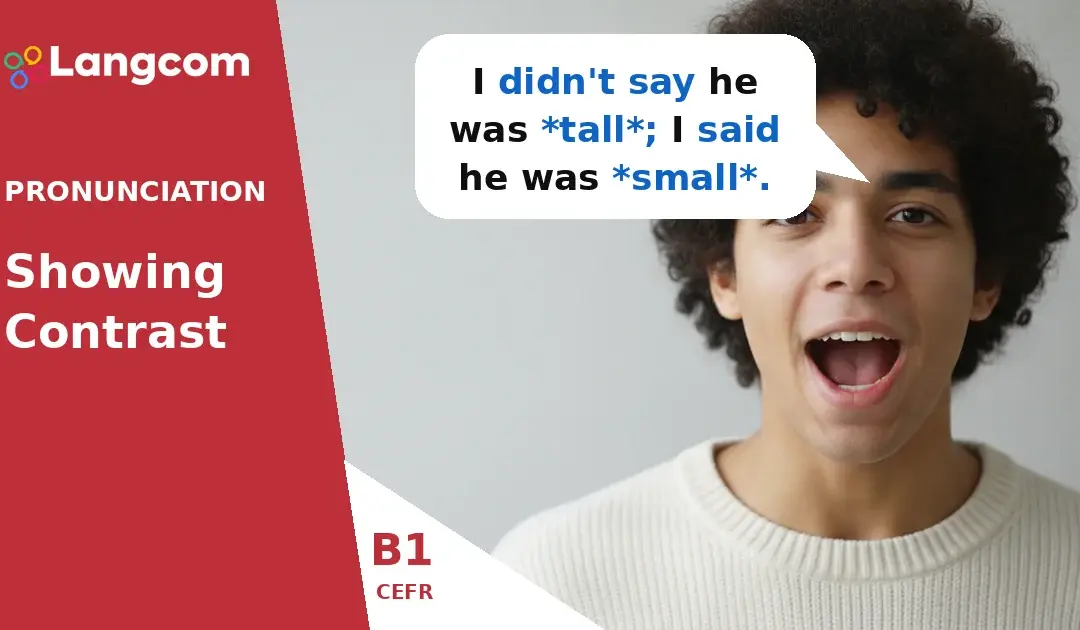
by Raúl | Sep 17, 2026 | B1 Intermediate English
To show contrast in English, you put extra stress on the word that highlights the difference or corrects information. This means you say that specific word louder, a little longer, and often with a slightly higher pitch than the other words in the sentence. This...

by Raúl | Sep 17, 2026 | B1 Intermediate English
You can often create new nouns in English by adding a suffix to a verb or an adjective. A suffix is a small group of letters added to the end of a word. This process, called word-building or word formation, helps you expand your vocabulary and understand how words are...
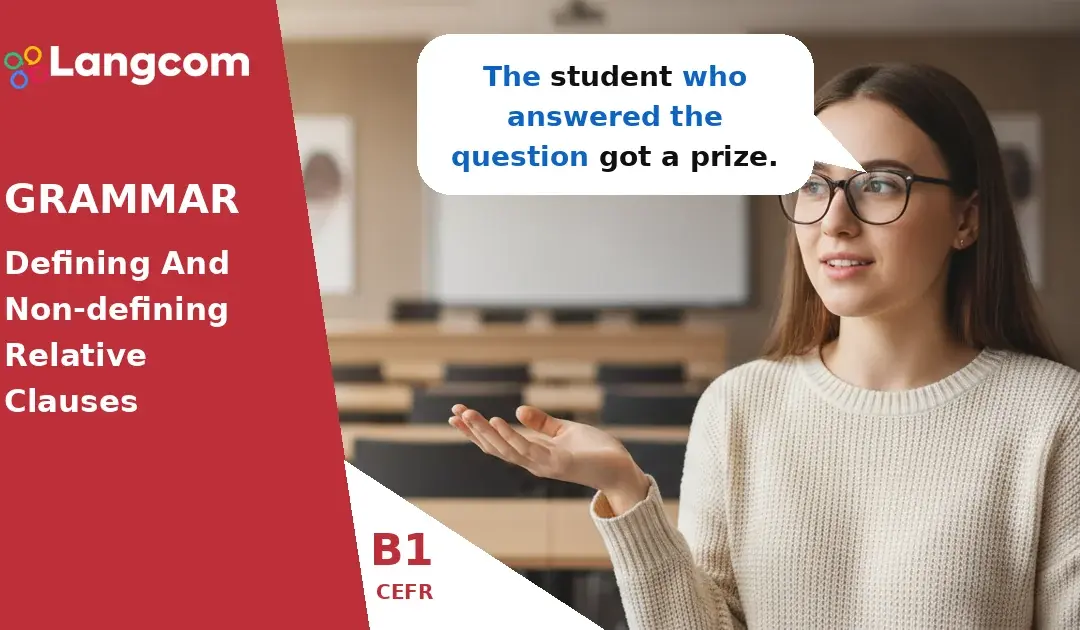
by Raúl | Sep 17, 2026 | B1 Intermediate English
Defining relative clauses give essential information about a noun, telling us *which* specific person or thing we are talking about. Without this clause, the sentence meaning changes or becomes unclear. They are crucial for identifying the noun and are never separated...

by Raúl | Sep 17, 2026 | B1 Intermediate English
To talk about music in English at a B1 level, you need vocabulary for different music styles, the people who create and perform it, and common music events. Understanding these words helps you describe your favorite songs, artists, and experiences clearly. For...
