by Raúl | Aug 3, 2026 | A1 Beginner English
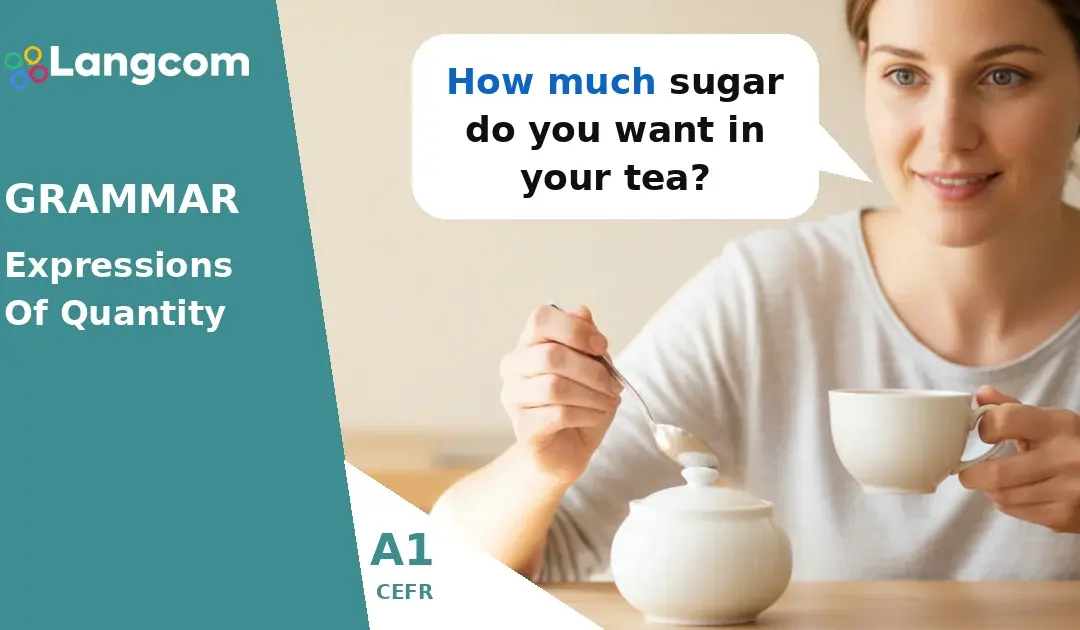
To talk about quantities in English, you need to know if a noun is countable or uncountable. We use much with uncountable nouns (like water, sugar, information). We use many with countable nouns (like apples, friends, books). A lot of is special because you can use it...
by Raúl | Aug 3, 2026 | A1 Beginner English
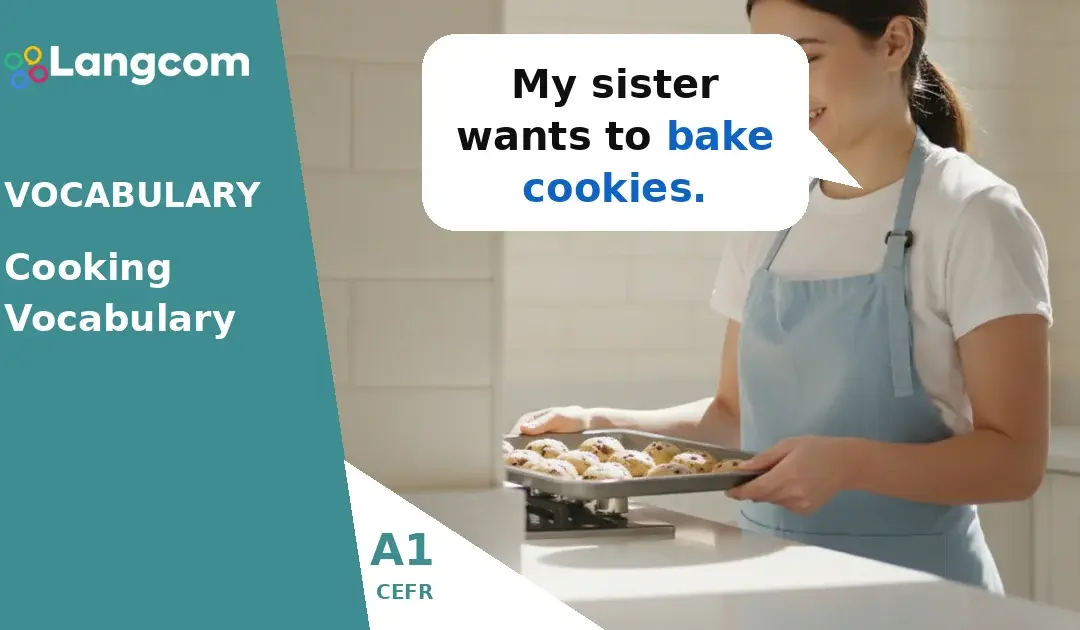
Learning basic cooking verbs helps you talk about food and recipes in English. These verbs describe different ways to prepare food. For example, you use bake for bread, boil for water, fry for eggs, grill for chicken, and roast for meat. Each verb tells you a specific...

by Raúl | Aug 3, 2026 | B1 Intermediate English
Mastering collocations with make, do, and give is essential for sounding natural and confident in English. These verbs combine with specific nouns and phrases to form fixed expressions. Often, you cannot guess which verb to use based on meaning alone, as they...

by Raúl | Aug 3, 2026 | B1 Intermediate English
The Present Perfect describes actions or experiences that happened at an unspecified time in the past, or actions that started in the past and continue now, always with a connection to the present. In contrast, the Past Simple describes actions that started and...

by Raúl | Aug 3, 2026 | B1 Intermediate English
Connected speech is how English words join together when we speak naturally, making your language sound more fluent and helping you understand native speakers better. It means that words are not spoken in isolation but blend into each other. One very common type of...
by Raúl | Aug 3, 2026 | B1 Intermediate English
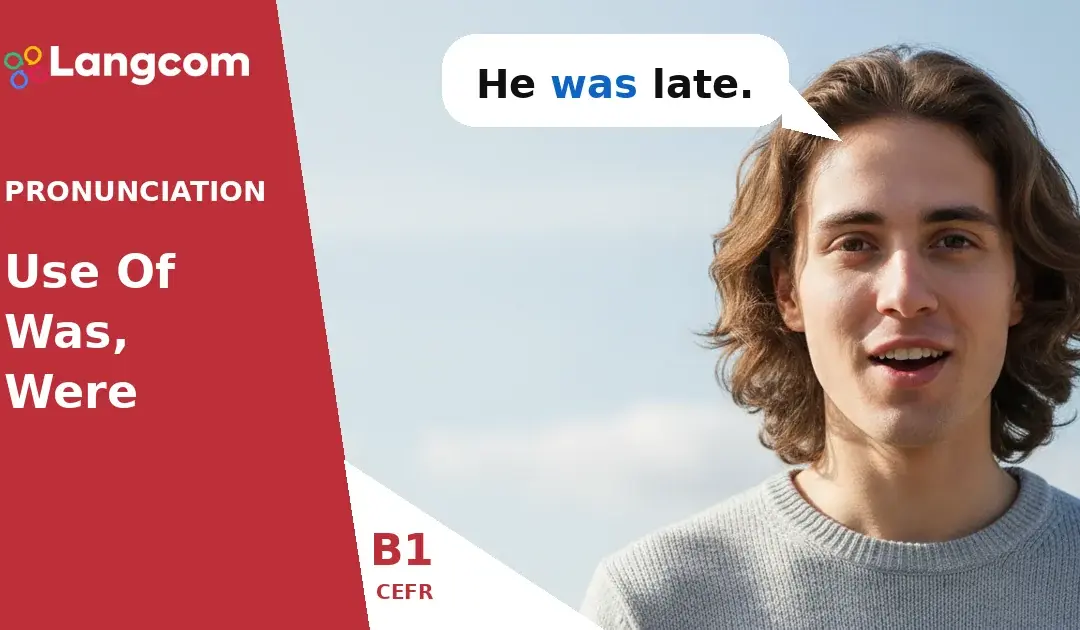
The pronunciation of ‘was’ and ‘were’ often changes depending on whether they are stressed or unstressed in a sentence. When these words are not stressed, they usually have a ‘weak’ sound, which is a very short, relaxed vowel sound,...
