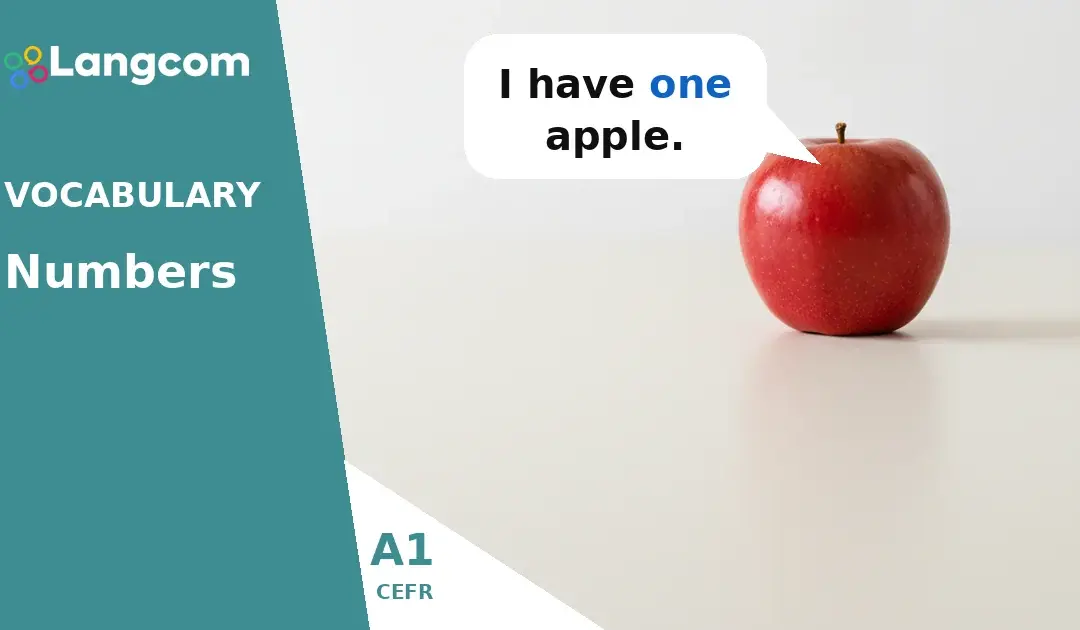
by Raúl | Sep 7, 2026 | A1 Beginner English
Learning English numbers 1-12 is your first step to counting and speaking about quantities in English. These basic numbers are fundamental for many daily situations. You use them to say your age, tell the time, give your phone number, or talk about how many things you...
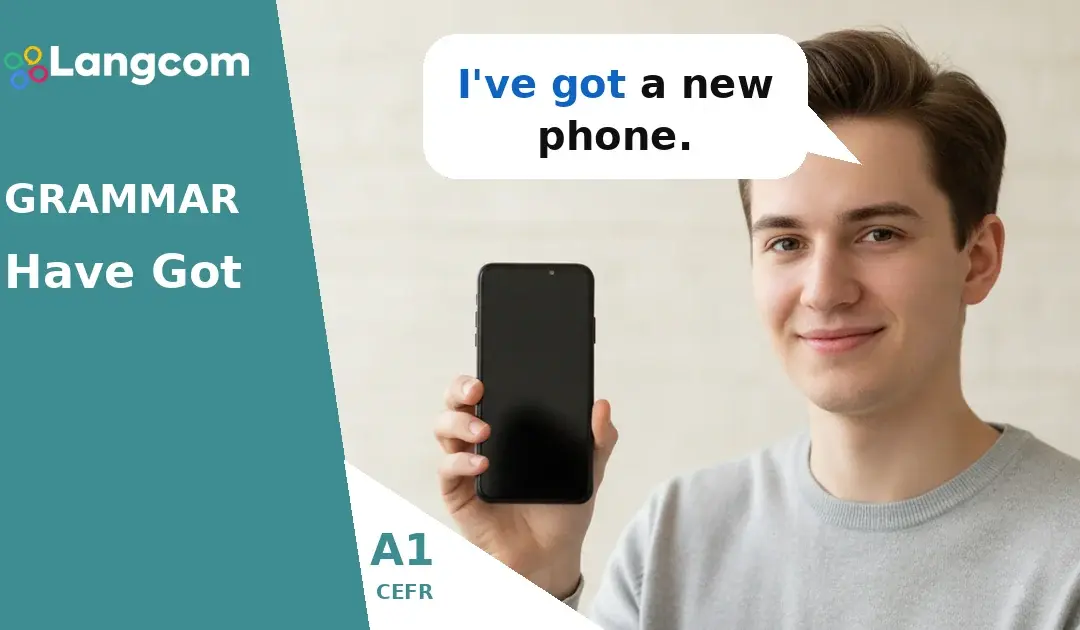
by Raúl | Sep 7, 2026 | A1 Beginner English
We use have got to talk about possession in English. This means we use it to say what things belong to us, what relationships we have, or what characteristics we possess. It is very common in spoken English and informal writing. For example, you can say I have got a...
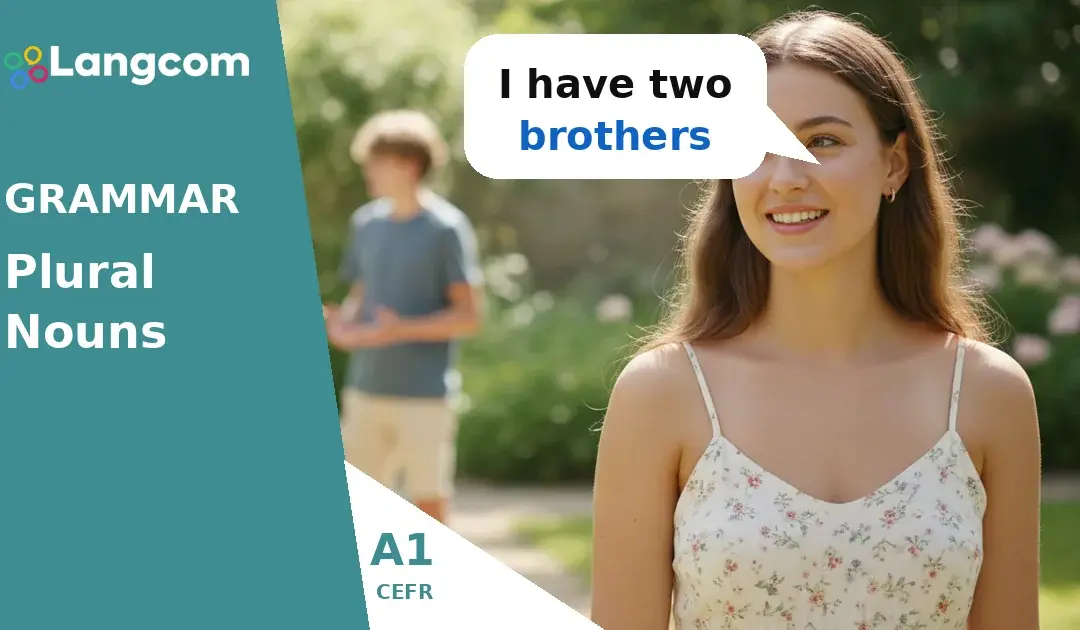
by Raúl | Sep 7, 2026 | A1 Beginner English
To make most nouns plural in English, we add -s to the end of the word. For example, cat becomes cats. However, English has some special rules for other nouns. If a noun ends in -s, -ss, -x, -ch, or -sh, we add -es, like bus to buses. If a noun ends in -y after a...
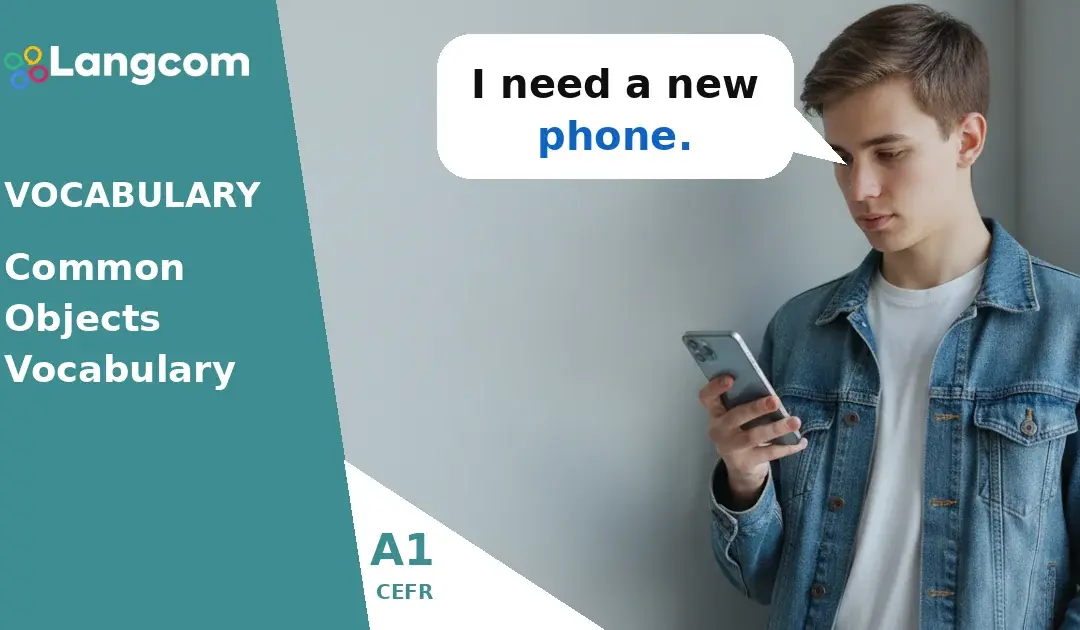
by Raúl | Sep 7, 2026 | A1 Beginner English
Learning the names of common objects is a fantastic first step in your A1 English journey. These are the everyday items you see and use all the time, from a book to a phone. Knowing these words helps you describe your surroundings, ask for things, and understand...
by Raúl | Sep 7, 2026 | A1 Beginner English
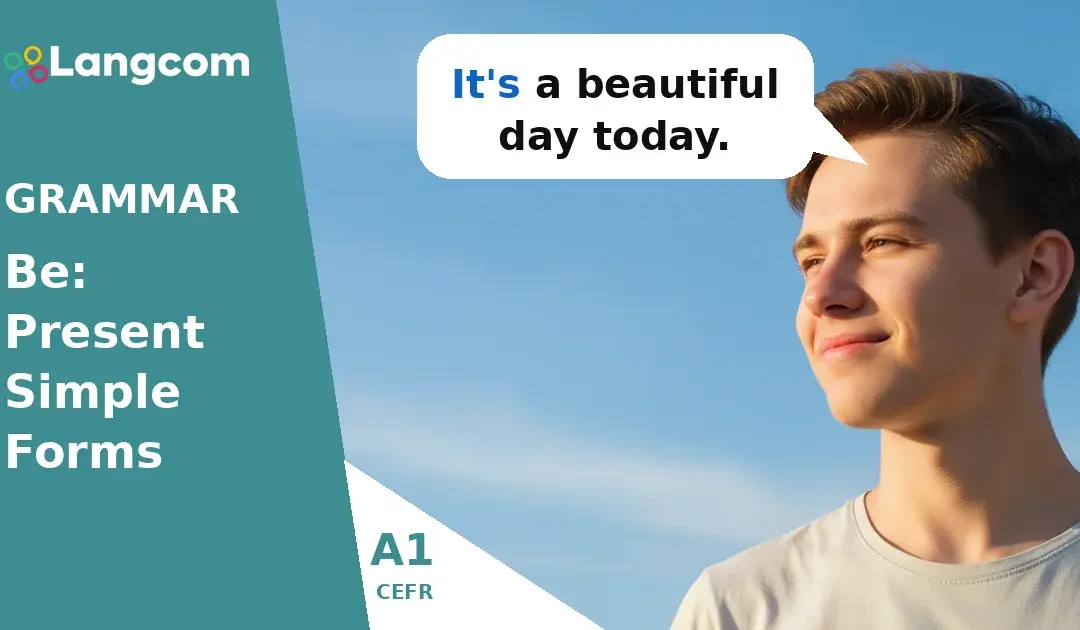
It’s and it isn’t are short forms of it is and it is not. We use them to talk about singular things, animals, or ideas. It’s is for positive statements, like It’s a new car. It isn’t is for negative statements, like It isn’t old....

by Raúl | Sep 6, 2026 | A1 Beginner English
Possessive adjectives show who owns something or who something belongs to. They come before a noun. For example, my book means the book belongs to me. These words are essential for basic communication in English. You use them to describe relationships, belongings, and...
