by Raúl | Sep 11, 2026 | B2 Upper Intermediate English
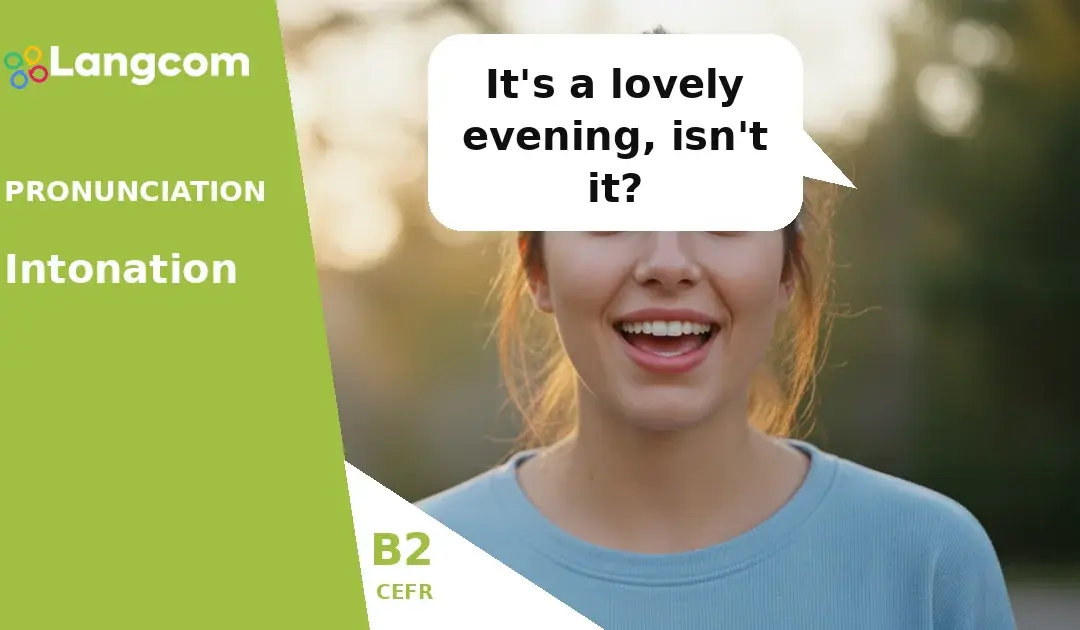
Intonation in English question tags tells you if you are asking a real question or just seeking agreement. This subtle change in your voice’s pitch at the end of a sentence can completely alter the meaning. When your voice goes down (falling intonation) on the...

by Raúl | Sep 11, 2026 | B1 Intermediate English
The Past Perfect tense helps us talk about an action that happened before another action or a specific time in the past. Think of it as ‘the past of the past.’ We use it to show a clear sequence of events, making it easy to understand which action occurred...
by Raúl | Sep 11, 2026 | B1 Intermediate English
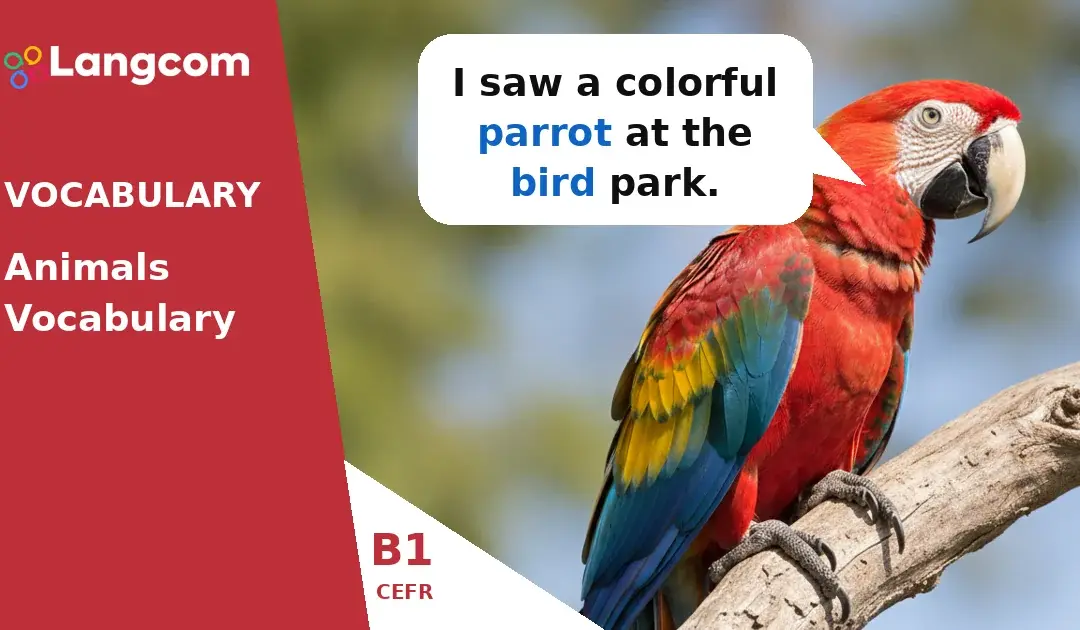
Learning specific animal names helps you describe the world around you more accurately in English. At B1 level, expanding your vocabulary beyond basic terms is crucial for richer conversations and understanding. This lesson introduces you to eight common animals,...
by Raúl | Sep 11, 2026 | B1 Intermediate English
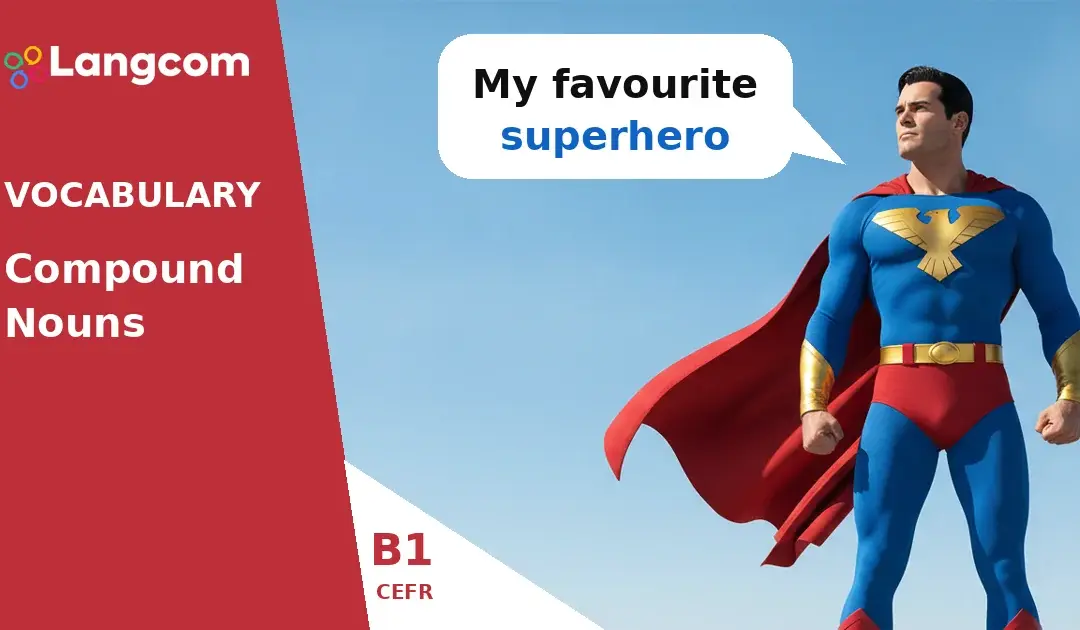
Compound nouns combine two or more words to create a single noun with a new, specific meaning. These are very common in English and help us describe things more precisely. For example, sun (a star) and flower (a plant) combine to form sunflower, which is a specific...

by Raúl | Sep 11, 2026 | B1 Intermediate English
Defining relative clauses give essential information about a noun, telling us exactly which person, thing, or place we are talking about. Without this clause, the meaning of the sentence would be unclear or incomplete. They are a fundamental part of B1 English...
by Raúl | Sep 11, 2026 | C1 Advanced English
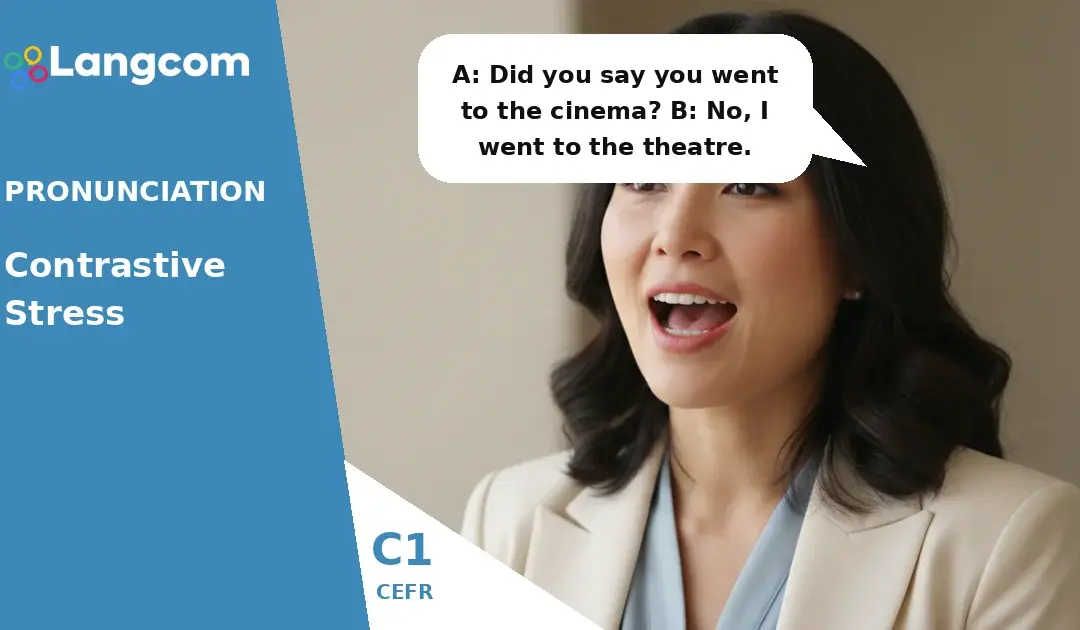
Contrastive stress is when you place extra emphasis on a specific word in a sentence to highlight new information, correct a misunderstanding, or draw attention to a particular detail. This shift in stress changes the focus of the sentence, making it clear which part...
