by Raúl | Jul 30, 2026 | B2 Upper Intermediate English
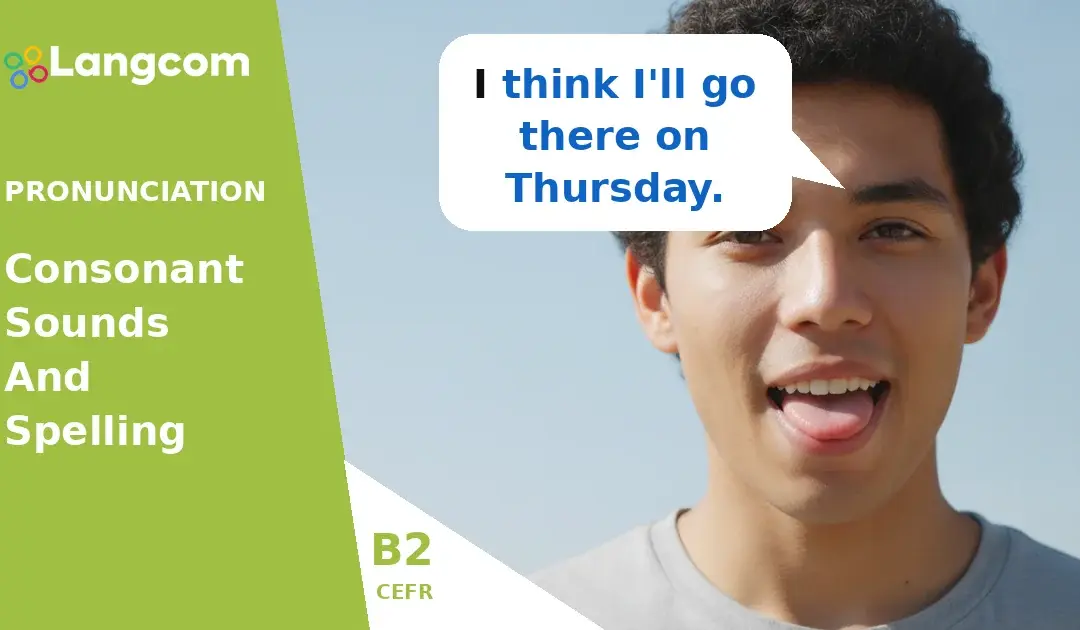
Mastering English consonant sounds is key to clear communication and understanding at a B2 level. English pronunciation can be tricky because spelling often doesn’t directly tell you how a word sounds. Many consonants have subtle differences, like whether your...
by Raúl | Jul 30, 2026 | B2 Upper Intermediate English
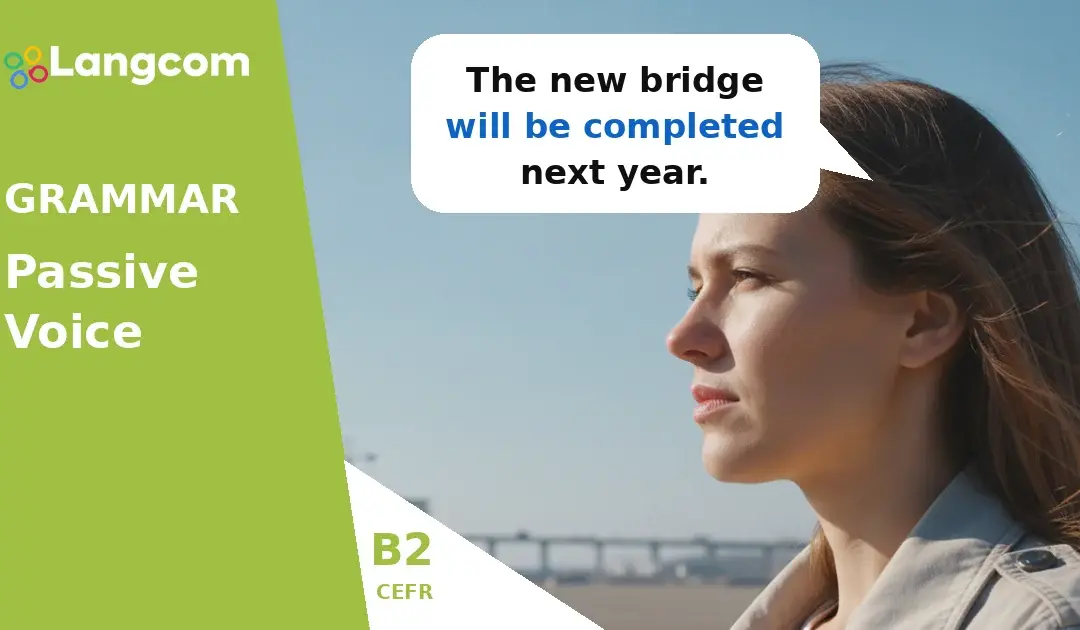
The passive voice helps us focus on the action or the receiver of the action, rather than the person or thing performing it. We use it when the ‘doer’ of an action is unknown, unimportant, or obvious, or when we want to make the object of the verb the main...

by Raúl | Jul 30, 2026 | B2 Upper Intermediate English
To describe travel experiences vividly in English, use strong B2 adjectives like breathtaking, stunning, and superb. These powerful words help you express how truly amazing a place or experience is, going beyond simple adjectives like ‘nice’ or...

by Raúl | Jul 30, 2026 | B2 Upper Intermediate English
Gerunds (-ing forms) and infinitives (to + base verb) are essential verb forms that function differently in English sentences, acting as nouns, adjectives, or adverbs. A gerund acts like a noun, describing an activity or concept, as in Swimming is good exercise. It...
by Raúl | Jul 30, 2026 | B2 Upper Intermediate English
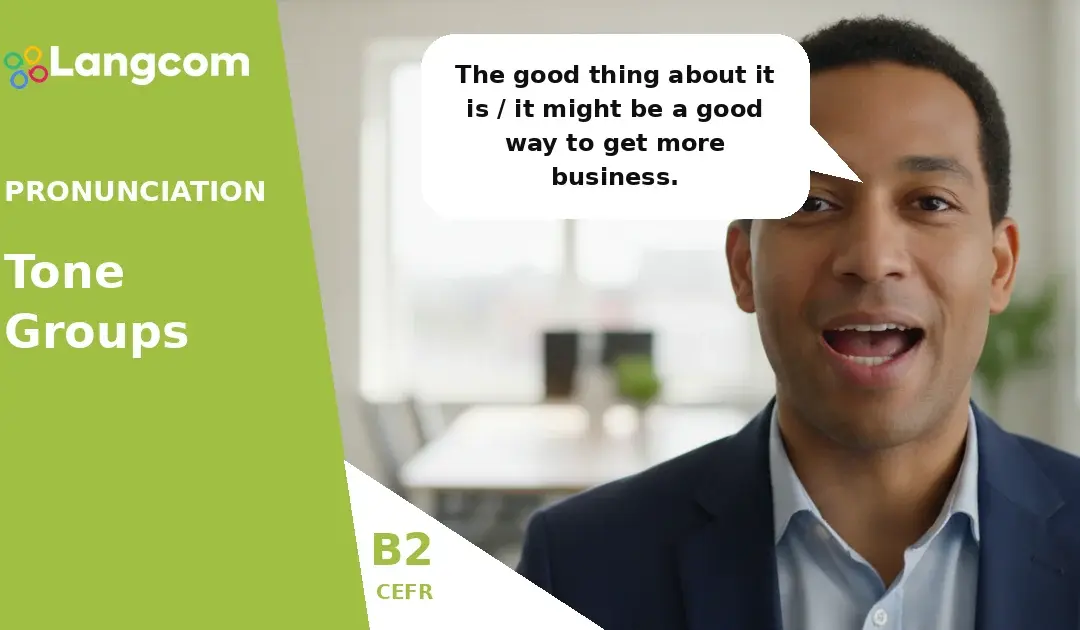
Tone groups are essential units of spoken English that help listeners understand your meaning and make your speech sound natural. A tone group is a segment of speech, often a phrase or clause, that has one main stressed syllable (the nucleus) and a specific intonation...
by Raúl | Jul 29, 2026 | B2 Upper Intermediate English
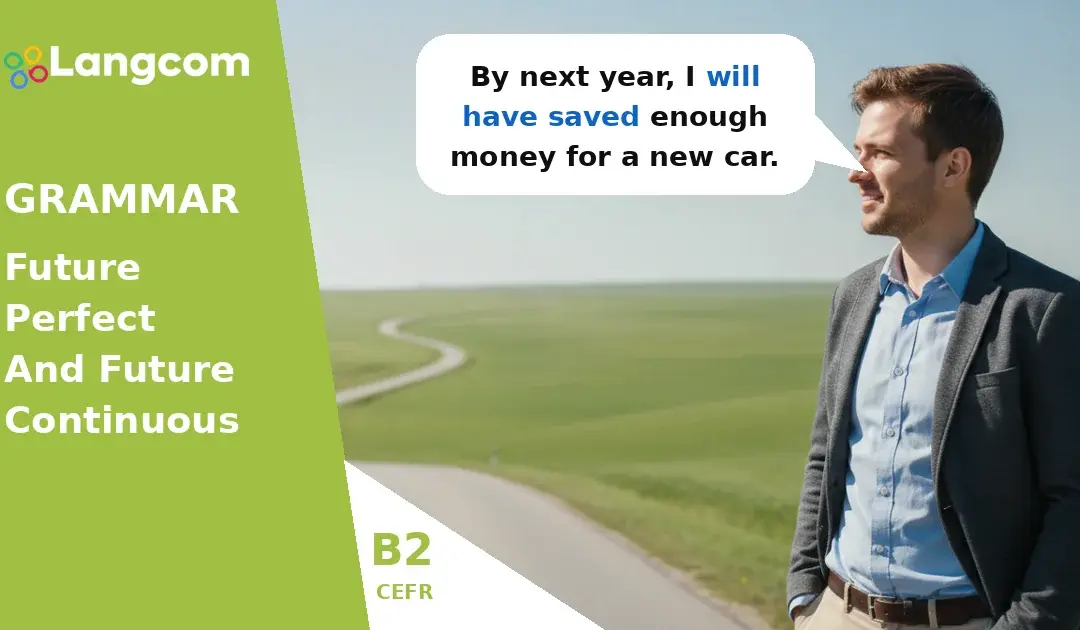
The Future Perfect tense describes an action that will be completed before a specific time in the future, while the Future Continuous tense describes an action that will be in progress at a specific time in the future. Both tenses help us talk about future events with...
