by Raúl | Sep 7, 2026 | A1 Beginner English
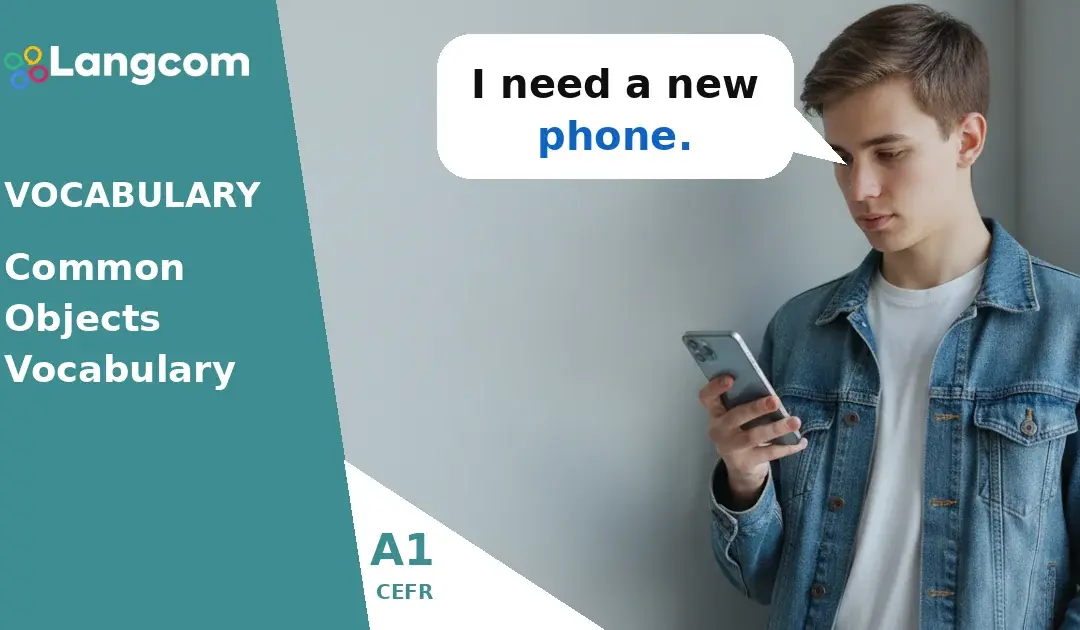
Learning the names of common objects is a fantastic first step in your A1 English journey. These are the everyday items you see and use all the time, from a book to a phone. Knowing these words helps you describe your surroundings, ask for things, and understand...
by Raúl | Sep 7, 2026 | A1 Beginner English
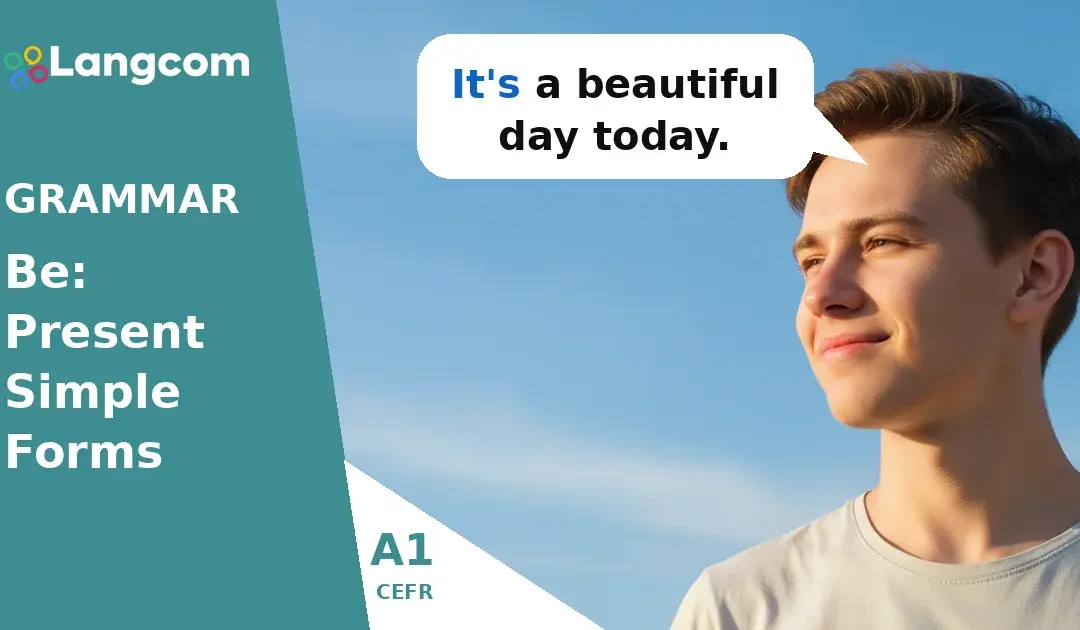
It’s and it isn’t are short forms of it is and it is not. We use them to talk about singular things, animals, or ideas. It’s is for positive statements, like It’s a new car. It isn’t is for negative statements, like It isn’t old....

by Raúl | Sep 6, 2026 | A1 Beginner English
Possessive adjectives show who owns something or who something belongs to. They come before a noun. For example, my book means the book belongs to me. These words are essential for basic communication in English. You use them to describe relationships, belongings, and...

by Raúl | Sep 6, 2026 | A1 Beginner English
Adjectives are words that describe nouns. They tell us more about people, places, or things. For example, if you say “house,” an adjective can tell you what kind of house it is, like “a big house” or “an old house.” In English, adjectives usually come *before* the...
by Raúl | Sep 6, 2026 | A1 Beginner English
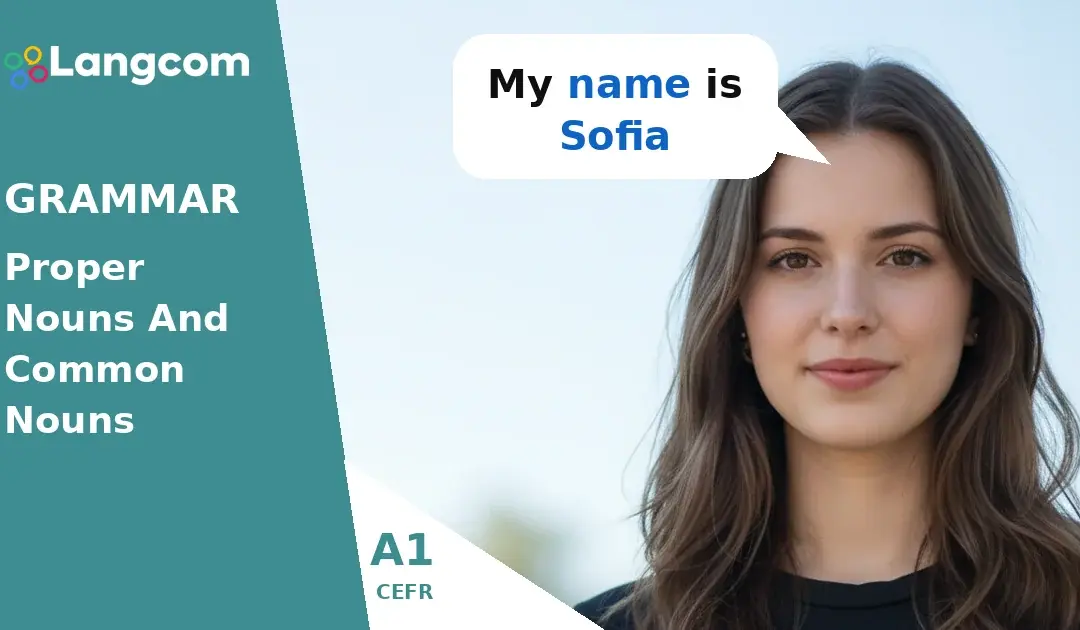
Proper nouns are specific names for people, places, or things, and they always start with a capital letter. Common nouns are general names for people, places, or things, and they usually start with a lowercase letter. Understanding this difference is important for...
by Raúl | Sep 6, 2026 | A1 Beginner English
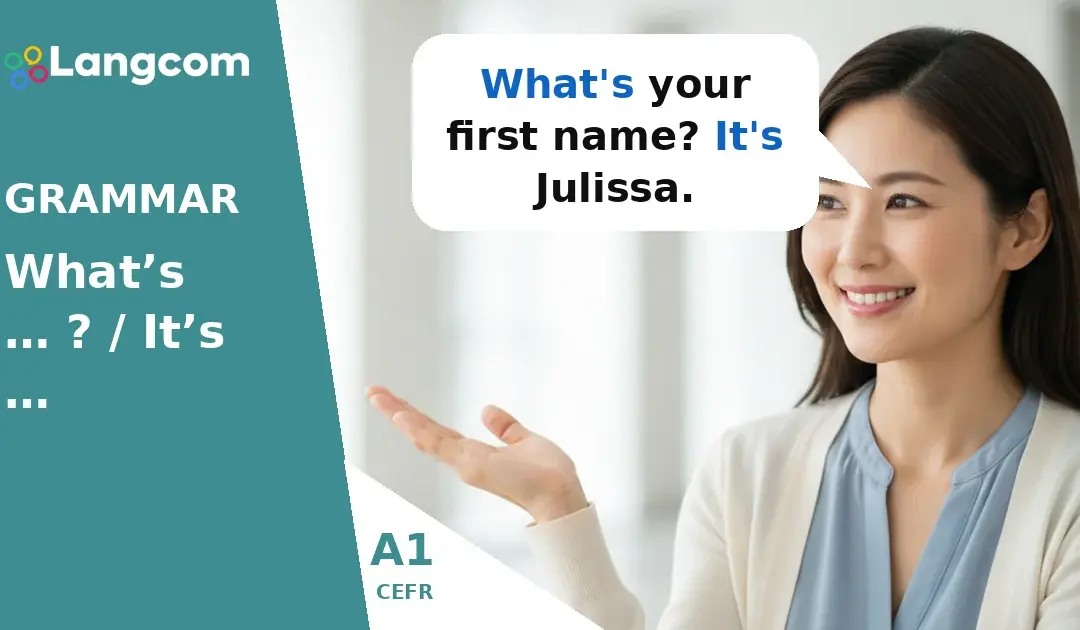
What’s and It’s are short forms, called ‘contractions’, of What is and It is. We use them every day in English to ask and answer simple questions quickly and naturally. For example, you can ask What’s your name? and answer It’s...
