by Raúl | Sep 8, 2026 | Pre A1 Starters
Learning common English names helps you understand and speak English better, especially when meeting new people and listening to conversations. Knowing names like John, Mary, Michael, or Emily is a great first step in your English journey. When you hear someone say,...
by Raúl | Sep 8, 2026 | Pre A1 Starters
Learning numbers one to ten is the first step to counting in English. These basic numbers are essential for many everyday situations. You use them to say your age, give your phone number, talk about prices, or count objects. Mastering numbers 1 to 10 will help you...
by Raúl | Sep 8, 2026 | Pre A1 Starters
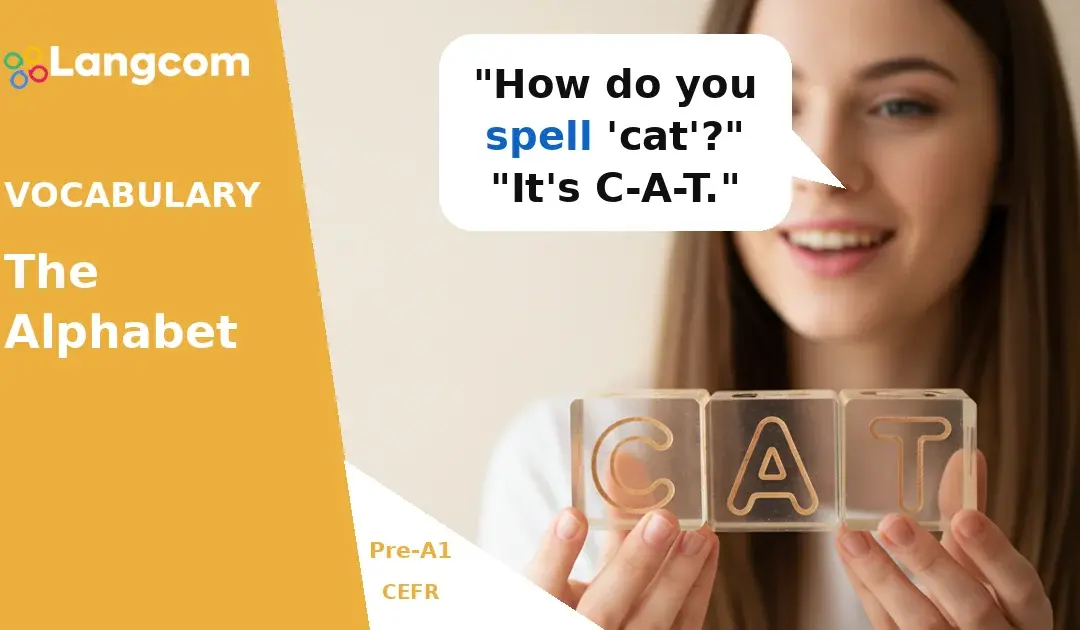
The English alphabet has 26 letters, each with a unique name and a basic sound. Learning these letters is the very first step to reading, writing, and speaking English clearly. It helps you understand how words are built and how to pronounce them correctly. Knowing...
by Raúl | Sep 7, 2026 | A2 Key (KET)
Object pronouns are small but important words like me, you, him, her, it, us, and them that replace nouns when they are the *object* of a verb or a preposition. This means they receive the action in a sentence, not perform it. For example, instead of repeating a name...
by Raúl | Sep 7, 2026 | A2 Key (KET)
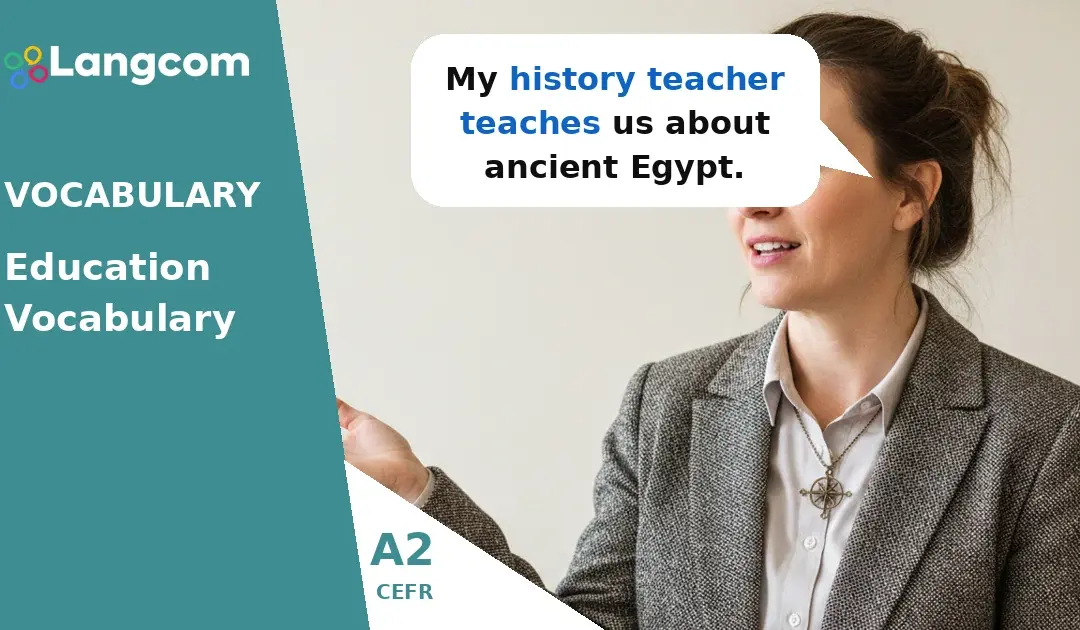
Understanding common verbs like teach, learn, study, pass, fail, and take is key for talking about school and exams in English. These essential verbs help you describe actions related to getting and giving knowledge, and how you perform in academic assessments. For...
by Raúl | Sep 7, 2026 | A2 Key (KET)
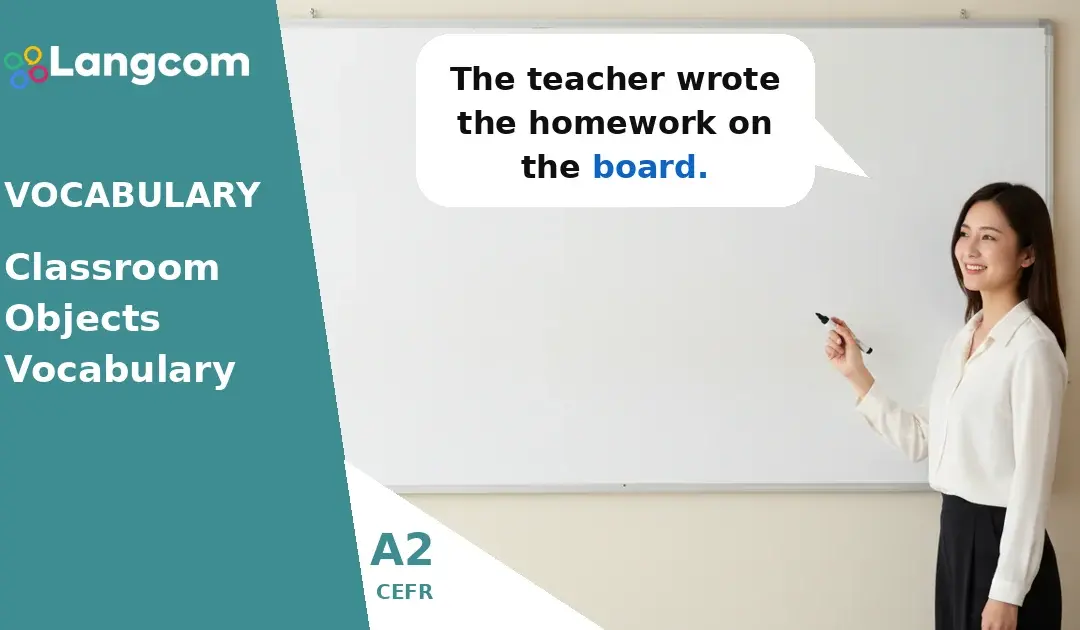
Learning the names of common classroom objects is a vital step for A2 English learners, especially for the A2 Key (KET) exam. This vocabulary helps you understand your teacher, participate in class, and talk about your school supplies. You will be able to ask for...
