by Raúl | Sep 6, 2026 | B2 First (FCE)
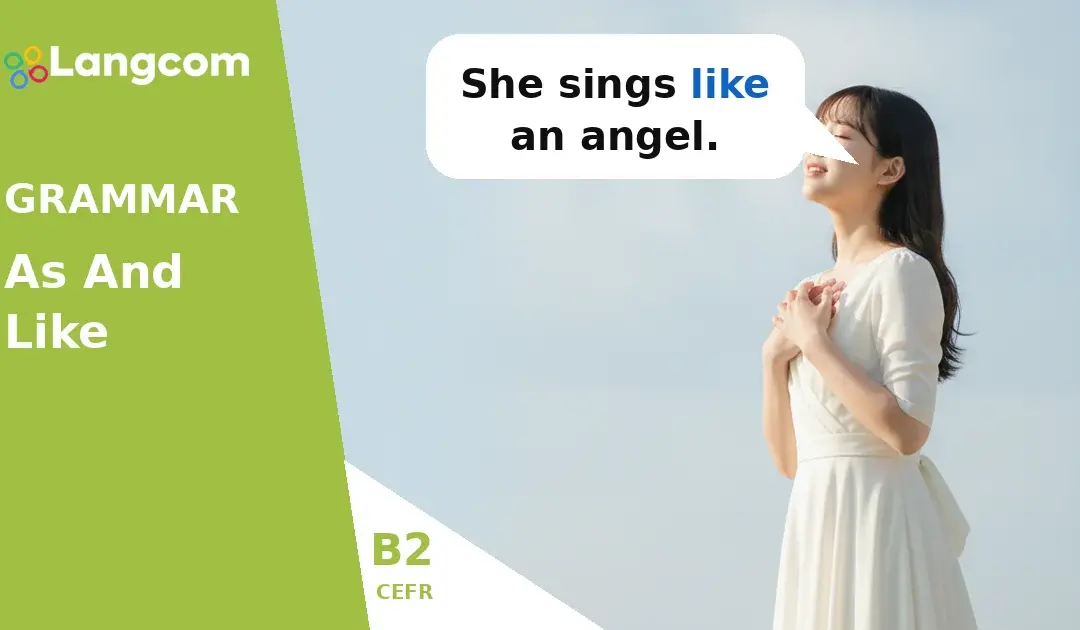
The key difference between as and like is their primary function: as describes the role, job, or purpose of something, while like indicates similarity or comparison. Think of as meaning ‘in the role of’ or ‘in the capacity of’, and like meaning...
by Raúl | Aug 5, 2026 | B2 First (FCE)
Word formation is the process of creating new words from existing ones, often by adding prefixes or suffixes, or by changing a word’s function (part of speech) without changing its form. Mastering word formation is crucial for your B2 First (FCE) exam,...
by Raúl | Aug 5, 2026 | B2 First (FCE)
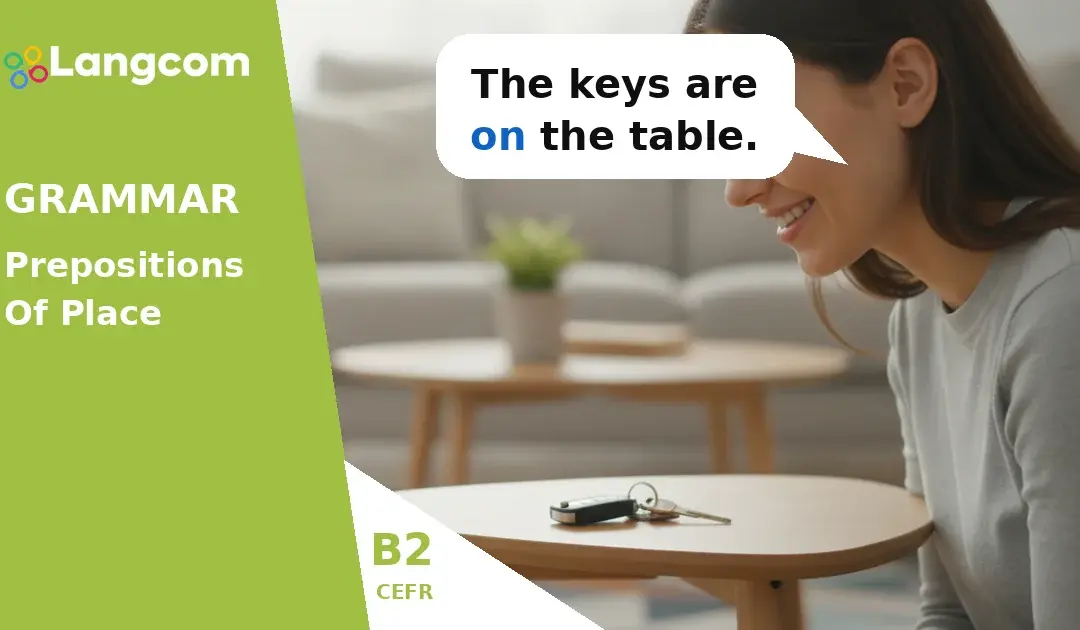
English prepositions of place tell us where something or someone is located. The most common ones are at, in, and on, each with specific uses: at indicates a specific point or general location, in refers to an enclosed space or larger area, and on describes a surface...
by Raúl | Aug 5, 2026 | B2 First (FCE)
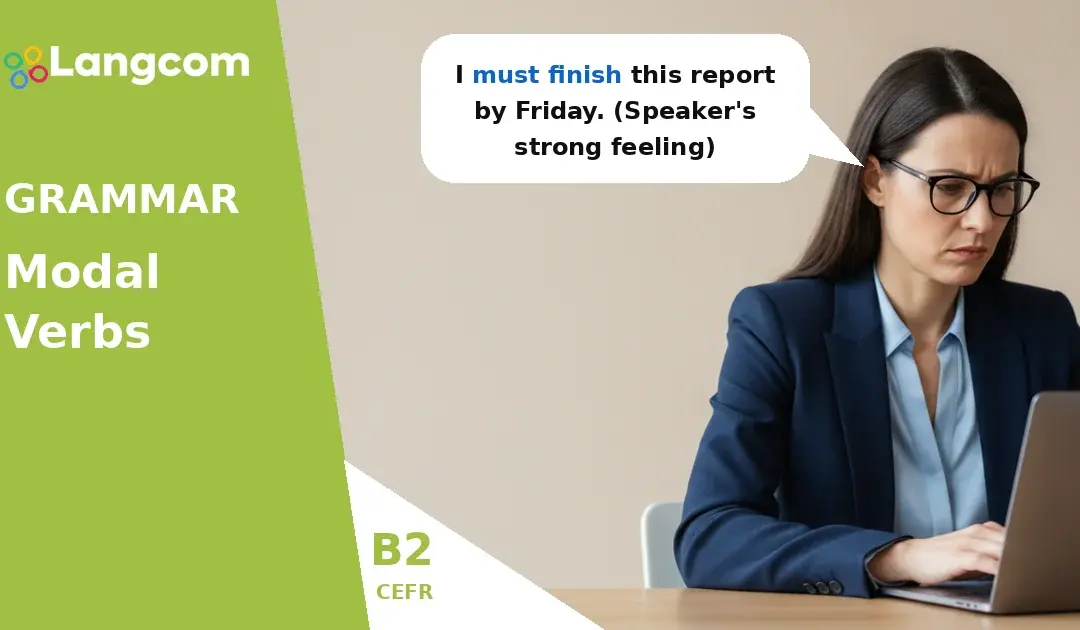
Modal verbs like must, have to, should, and can are essential for expressing obligation, necessity, and permission in English. They help us communicate whether something is required, advisable, or allowed. For B2 learners, understanding the subtle differences between...

by Raúl | Aug 5, 2026 | A2 Key (KET)
Must and mustn’t are modal verbs we use to talk about rules, obligations, and things that are very important to do or not to do. We use must when something is necessary or when we give strong advice. For example, You must wear a seatbelt in the car. This shows a...
by Raúl | Aug 5, 2026 | A2 Key (KET)
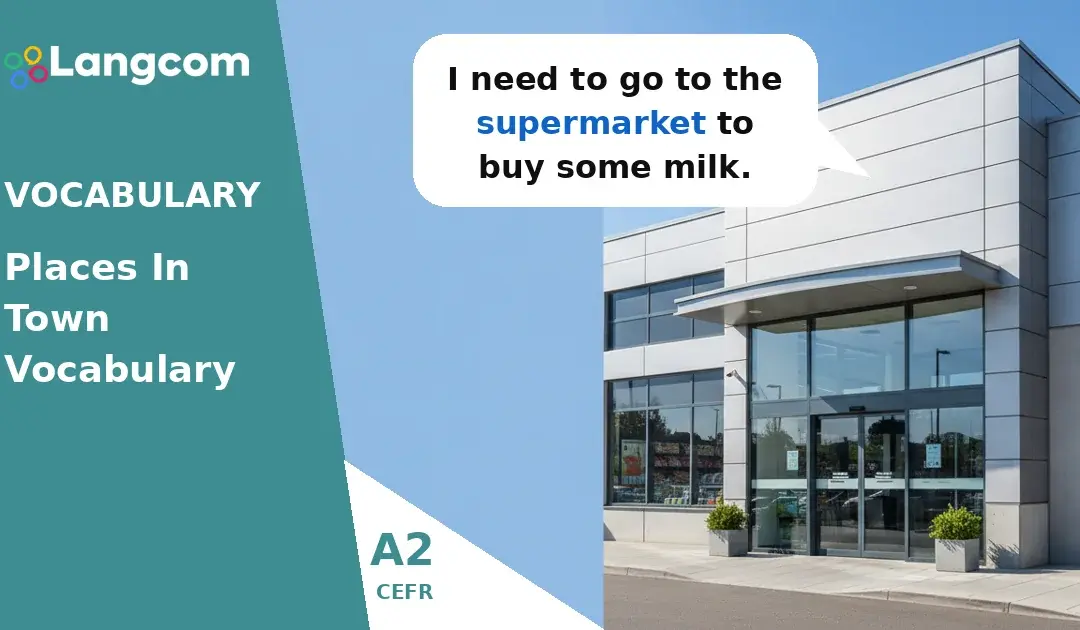
Learning vocabulary for places in town is very important for A2 English learners because it helps you talk about your daily life, ask for directions, and understand conversations about where people go. These words are useful for shopping, finding services like a bank...
